
Last updated November 4, 2026
 Whole-home duct cleaning
 Dryer vent cleaning
 Camera inspection
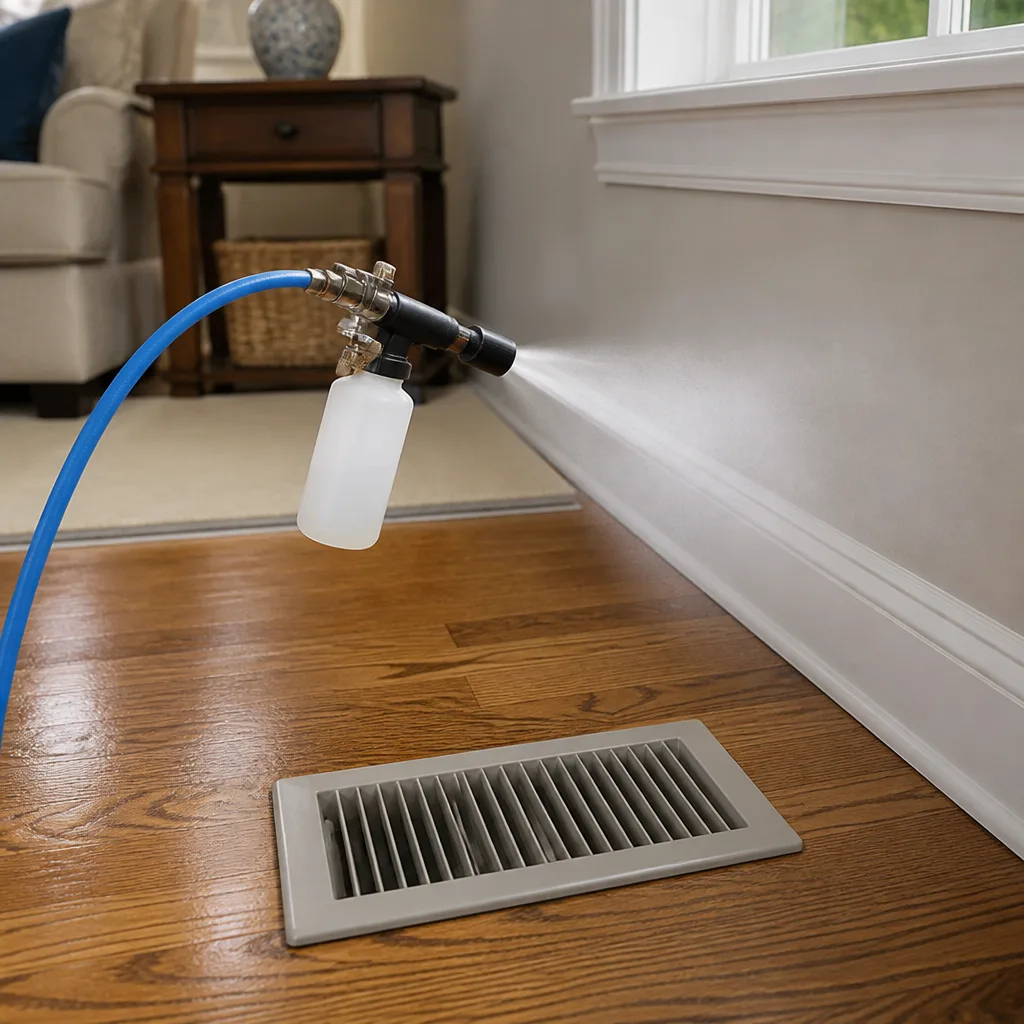 Sanitizing & deodorizing
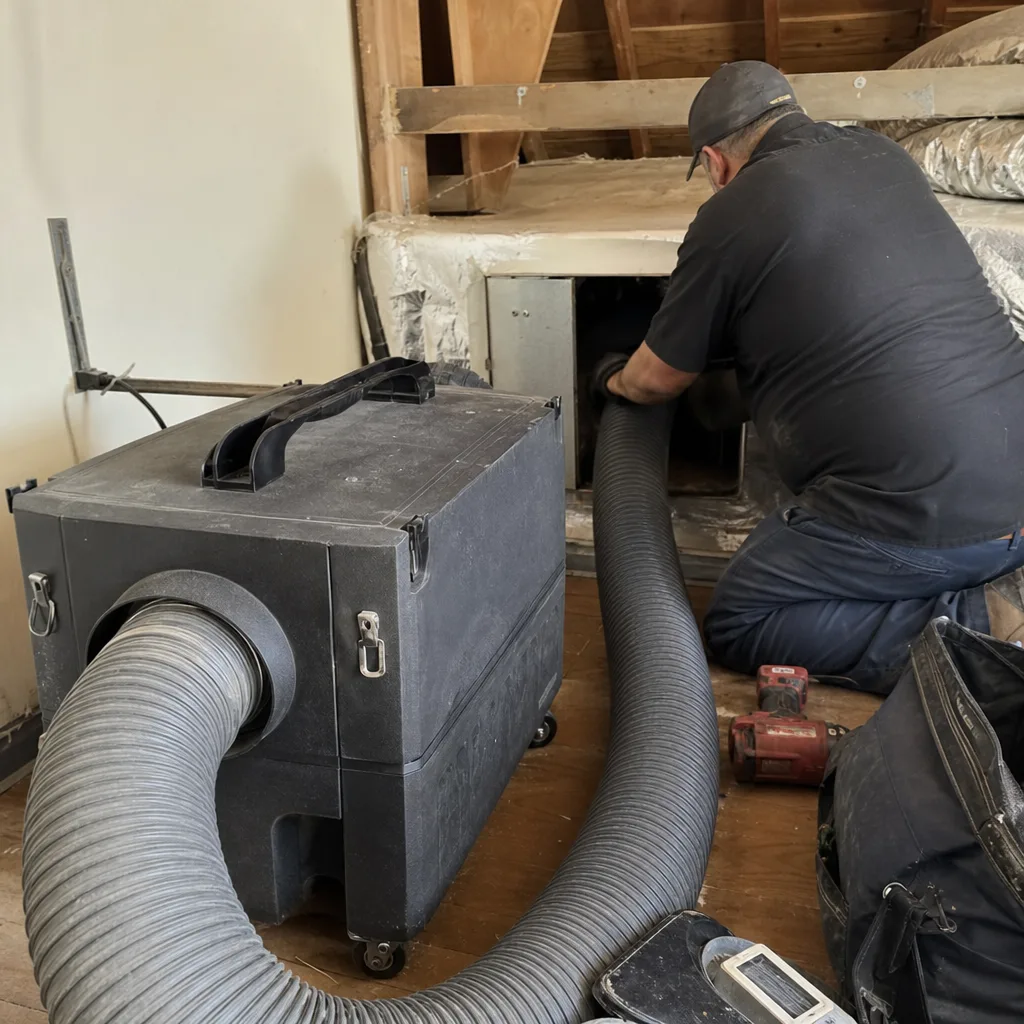
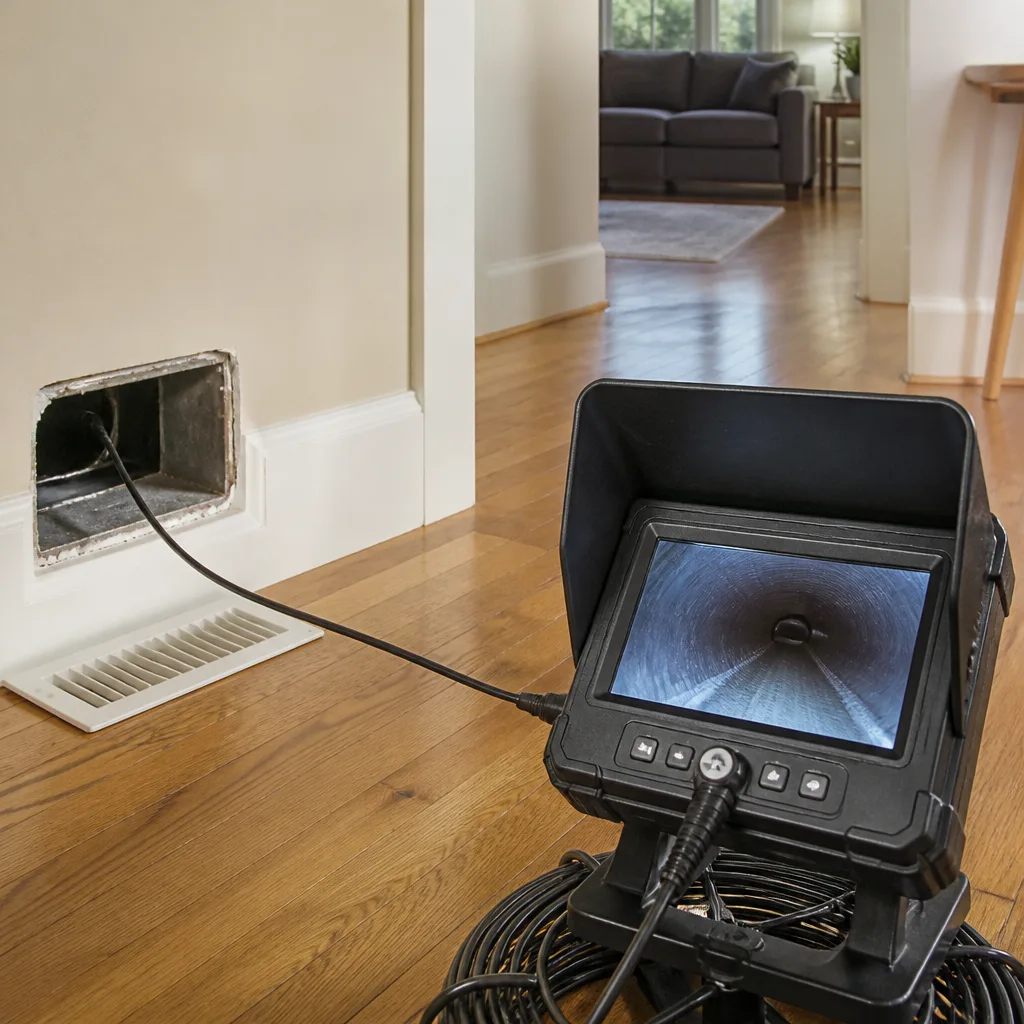
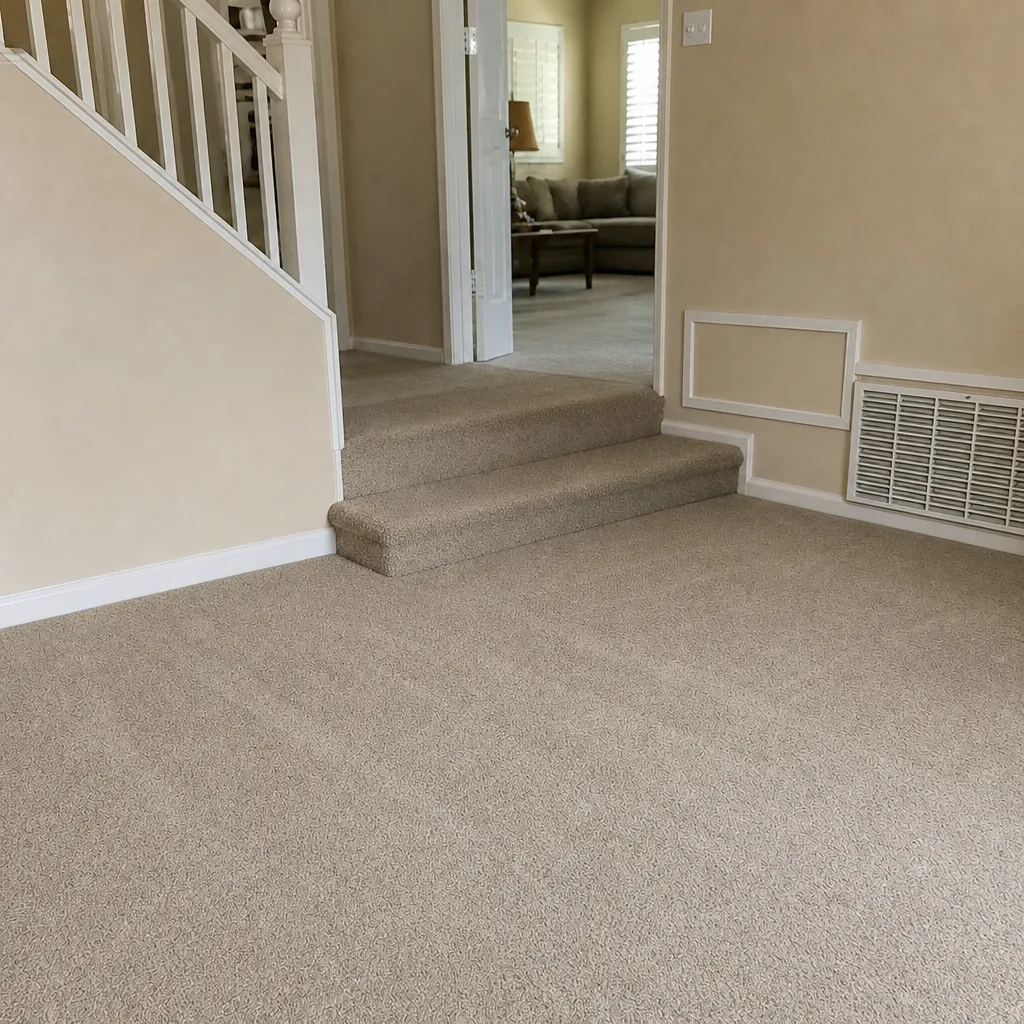
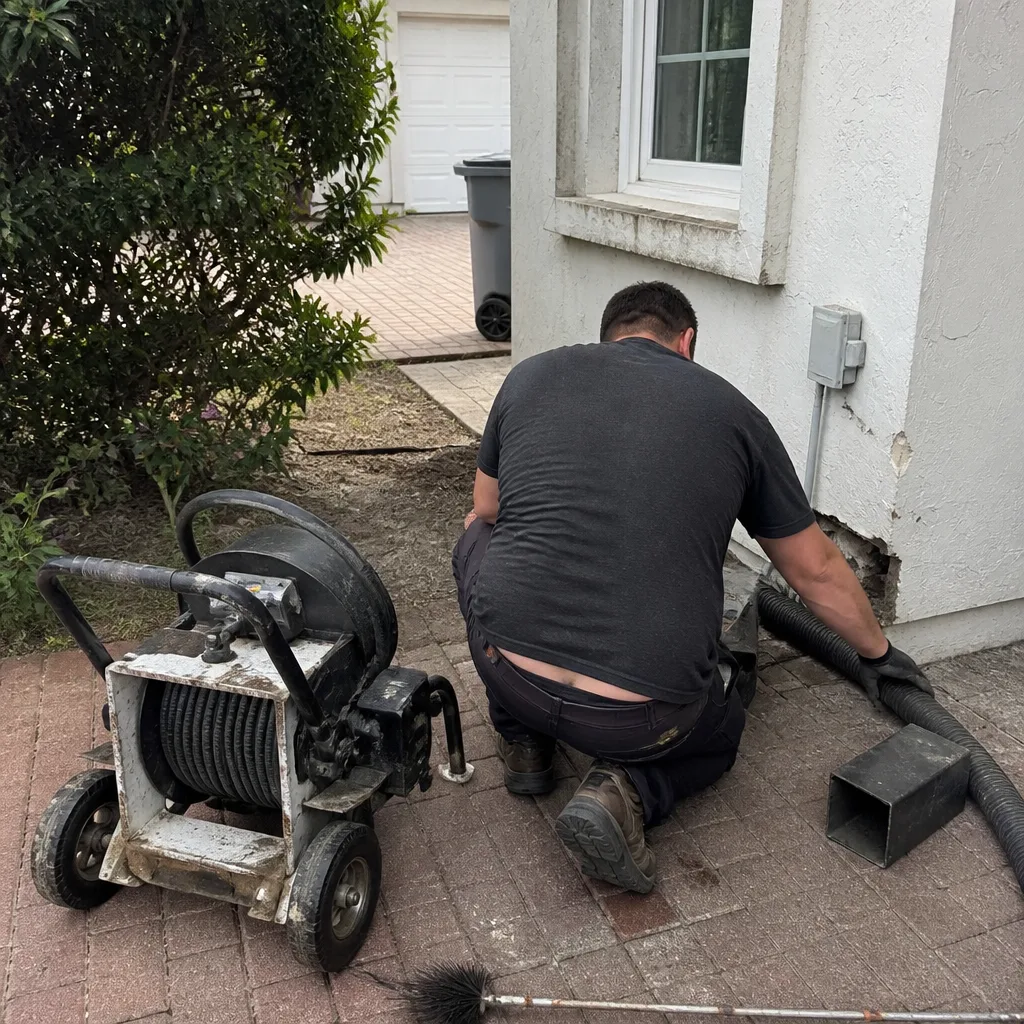
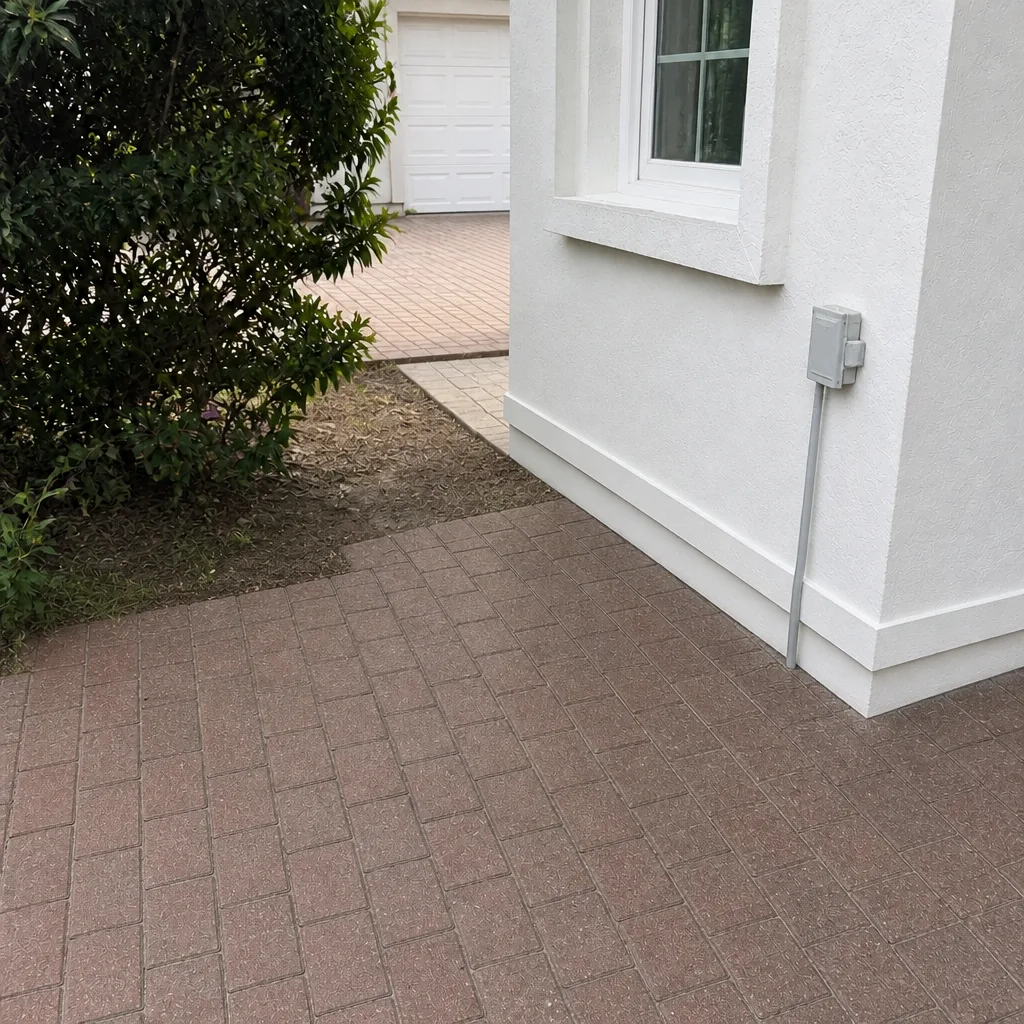
Whole-system duct and dryer vent check with before-and-after photos - you see exactly what came out of your vents
That "$99 whole-house special" is a bait ad - the real number appears once they are in your hallway, or the "clean" is a shop-vac at the register. We photograph the inside of your ducts before and after instead.
Air Duct Cleaning Emergency Preparedness Guide for San Clemente Homes
Most homeowners in San Clemente think of their air ducts the way they think of studs behind drywall: there, but invisible, and not worth thinking about until something goes wrong. That changes the day a wildfire pushes smoke through the neighborhood, or a hard rain finds a new path into the wall cavity, or a 4.8 tremor rattles the house hard enough to make you wonder what shifted inside the ceilings. What this guide will teach you is how to read the signs your duct system gives you after an event, what to do in the first hours and days, and how to know whether you’re dealing with a maintenance issue or a contamination problem that needs professional attention. San Clemente sits in a region where wildfire corridors, flood events, and seismic activity are not hypotheticals. They’re seasonal realities, and your ductwork sits at the intersection of all three.
Quick Answer
Duct cleaning after an emergency event in San Clemente depends on the event itself: wildfire smoke demands immediate filter replacement and a system shutdown followed by professional inspection before restart; floodwater intrusion into ductwork means sections likely need replacement, not just cleaning, because wet insulation and standing water breed mold within 48 to 72 hours; and post-earthquake concerns center on disconnected joints, cracked seals, and shifted flexible duct runs. Smoke residue and light debris generally respond to professional cleaning. Water-damaged duct sections usually need repair or replacement first. Document everything with photos and written notes before you touch anything, because insurance adjusters respond to evidence, not descriptions.
Styles & brands we work with
- Whole-home duct cleaning
- Dryer vent cleaning
- Camera inspection
- Sanitizing & deodorizing
Table of Contents
- What Wildfire Smoke Does to Duct Systems
- Immediate Steps After a Wildfire Smoke Event
- Flood and Water Intrusion: What Can Be Saved
- Post-Earthquake Duct Inspection for San Clemente Homes
- Emergency Response vs. Standard Scheduling: How to Decide
- Documentation Protocol for Insurance Claims
- What a Qualified Post-Event Duct Inspection Includes
What Wildfire Smoke Does to Duct Systems
Let’s be direct about the mechanics, because most people misunderstand what smoke does inside a forced-air system. Smoke is not just an odor. It’s a suspension of microscopic particulates: carbon, ash, resins, and volatile organic compounds released when vegetation and structures burn. When your HVAC system runs during a smoke event, the blower pulls that particulate through the return registers, across the filter, through the blower motor itself, and then distributes it through every supply duct in the house. The filter catches some of it. The rest of it coats the interior surfaces of your duct runs, the evaporator coil, and the heat exchanger. That coating is not inert. It continues off-gassing odor compounds for weeks, and it degrades heat transfer efficiency because it insulates surfaces that are supposed to exchange heat. A furnace or AC unit running with coated coils works harder to move the same amount of air, which shows up as longer run times and higher energy use. If you ran your system during a heavy smoke day in San Clemente, the residue is in there. That’s not a guess. That’s fluid dynamics.
Immediate Steps After a Wildfire Smoke Event
What you do in the first hours matters more than what you do in the following week. Here’s the sequence we recommend for any San Clemente homeowner after smoke has visibly or olfactorily penetrated the home:
- Shut the system down at the thermostat. Do not run the fan in “on” mode and do not switch to cooling to “air out” the house. Running the system redistributes settled particulate and forces more material through the blower and coil.
- Replace the air filter immediately. A smoke-loaded filter is a source of ongoing odor and a restriction point. Put in the highest MERV filter your system is rated for. Do not run an aftermarket “odor-eliminating” filter indefinitely without checking manufacturer specs, because high-pressure-drop filters strain older blowers.
- Document before cleaning anything visible. Take photos of smoke staining around supply registers, visible dust on return grilles, and any filter you remove. Write down the dates and times of the smoke event, when you first noticed odor indoors, and what the system settings were. Insurance adjusters and remediation professionals both use this timeline.
- Leave the system off until a professional has inspected it. Running it “a little bit to see if it smells” simply coats the coil and heat exchanger further. It also pushes particulate into rooms that may have stayed relatively clean.
- Call for a post-smoke duct inspection. A professional with the right equipment can assess the extent of particulate deposition and tell you whether the ducts need cleaning, the coil needs cleaning, or both.
Flood and Water Intrusion: What Can Be Saved
Water is a different animal entirely. Smoke coats surfaces. Water penetrates them. When we talk about flood and water intrusion in San Clemente, we’re typically talking about one of three scenarios: heavy rain finding a path through a roof penetration or wall flashing, a plumbing failure inside a wall or ceiling, or actual flood water entering the house at slab level during a storm event. Each of these can reach ductwork. The question homeowners always ask is whether the duct can be cleaned or must be replaced. The answer depends on what the duct is made of and how long the water sat.
Sheet metal duct with sealed seams can sometimes be dried, cleaned, and sanitized if the water exposure was brief, the water was clean, and the insulation on the exterior of the duct never got wet. That’s the narrow case. Flexible duct, the insulated silver tube most commonly used in residential branch runs, is almost never worth saving after water intrusion. The insulation inside the jacket is fiberglass batting with a vapor barrier. Once water gets in there, it does not dry quickly, it does not dry uniformly, and it becomes a substrate for mold growth within 48 to 72 hours. The same logic applies to internally lined duct board. Wet fiberglass liner is a loss.
Our rule in the field is simple: wet insulation means replacement. Wet metal means inspection and a judgment call. If you can see water staining on a ceiling register, or if a register dripped water after a rain event, shut the system down, call a professional, and do not attempt to dry it by running the fan. That pulls moisture deeper into the system and spreads it to dry parts of the house.
Post-Earthquake Duct Inspection for San Clemente Homes
San Clemente sits in a seismically active zone, and earthquakes do two things to residential duct systems. They shift the structure enough to break hard connections, and they stress flexible sections at their attachment points. Most residential duct systems are not built to flex with a moving building; they’re built to stay where they were installed. When the building moves, the duct doesn’t necessarily move with it.
What we look for after a significant tremor:
- Disconnected joints. Hard duct sections joined by slip-and-drive connections or tape can pull apart at the seams, especially where a main trunk meets a branch takeoff. A disconnected joint means conditioned air is being delivered into the wall cavity or attic, not the room.
- Torn or unseated flexible duct. Flexible connectors between hard duct and register boots can pull off entirely or tear at the zip-tie attachment. This is the most common earthquake-related failure we see.
- Cracked mastic seals. Mastic is a rigid sealant. When the framing shifts, mastic can crack and lose its seal, opening air gaps that are invisible from inside the living space.
- Sagging or shifted hangers. Duct runs suspended by strapping can shift on their hangers, creating low spots where condensation collects, or allowing the duct to droop onto surfaces it should not touch.
After a tremor, listen for new rattles or thumping when the system runs. Check registers that suddenly blow weak air. If a room that was comfortable before now runs warm or cold, that’s a distribution problem, not a thermostat problem. A post-earthquake duct inspection is a visual and hands-on check of the accessible portions of the system. It does not require opening walls. Most of these problems announce themselves in the attic, under the house, or at the register boot.
Emergency Response vs. Standard Scheduling: How to Decide
Not every post-event duct concern requires urgent response. Here’s how to triage. If you’re asking this question after a flood event where water entered the duct system, treat it as urgent. Mold colonization begins within 48 to 72 hours, and every day of delay expands the affected area and the scope of replacement. If you’re asking after a wildfire smoke event and you already shut the system down and replaced the filter, you have more latitude. Schedule the inspection and cleaning within a week or two; the residue is not going anywhere, and a few extra days do not change the remediation approach. If you’re asking after an earthquake and you notice persistent air delivery problems, schedule an inspection promptly, but this is a mechanical repair issue, not a contamination timeline issue.
The signal that pushes the decision toward urgent is this: moisture, visible mold, or ongoing odor that intensifies when the system runs. Those three things indicate active problems. A fine dust residue or a lingering faint smoke odor in a shut-down system is a cleaning candidate, not an emergency. San Clemente homeowners who address smoke and water issues within the first week typically avoid secondary problems like odor re-emission and mold spread.
Documentation Protocol for Insurance Claims
Air duct claims under homeowners’ policies live or die on documentation. The adjuster was not in your house when the smoke came through or the water pooled in the ceiling. What they see is what you show them. Here’s what we advise every San Clemente homeowner to prepare before and after an event:
- Pre-event baseline photos. Take photos of your air handler, filter access, visible duct runs in the attic or crawlspace, and the area around return registers before anything happens. After an event, these establish that the condition of the system changed.
- Event documentation. Write down the date, time, and duration of the smoke event or water intrusion. Note whether the HVAC system was running, and if so, for how long. For flood events, document the depth and extent of water, and take photos of any water staining, drips, or standing water before you dry anything.
- Filter evidence. The used filter is physical evidence. Bag it, label it with the date, and store it. A filter blackened by smoke tells a story a description cannot.
- Post-event visual inspection. Photograph register interiors, visible duct exteriors, and any staining or corrosion you can see. Do not clean or wipe anything before photographing it.
- Professional assessment. A written report from a qualified duct cleaning or remediation company that states what was found, what was done, and what equipment was used carries weight with adjusters. Ask for itemized documentation, not a summary sentence.
Insurance policies vary, and we don’t tell homeowners what their policy will or won’t cover. What we do tell them is that an undocumented claim is a denied claim. Build the paper trail.
What a Qualified Post-Event Duct Inspection Includes
Not every duct cleaning company is equipped to conduct a meaningful post-event inspection. When you’re evaluating who to call after a wildfire smoke event or water intrusion in San Clemente, here’s what the inspection should include, broken down by system component:
- Return-side inspection. The return plenum and return ducts are where most particulate enters the system. A proper inspection looks at the interior surfaces for dust loading, smoke residue, and visible debris.
- Supply-side inspection. Supply ducts are where residue shows up if the system ran during the event. The inspector should check branch runs, register boots, and the trunk itself.
- Coil inspection. The evaporator coil is a particulate magnet. Smoke residue and fine dust bond to the wet coil surface and bake on. A proper inspection checks the coil for coating and airflow restriction.
- Blower assembly. The blower wheel and housing collect the finest particles. A smoke event leaves a film on the blower wheel that reduces airflow and can cause imbalance if unevenly deposited.
- Filter housing and filter condition. This is the first line of defense, and the filter tells the story of what the system has been pulling in. The inspector should note filter loading and type.
- Accessible duct exterior. For water events, the exterior of flexible duct should be checked for wet insulation, staining, or compression. Wet insulation feels heavy and cool to the touch.
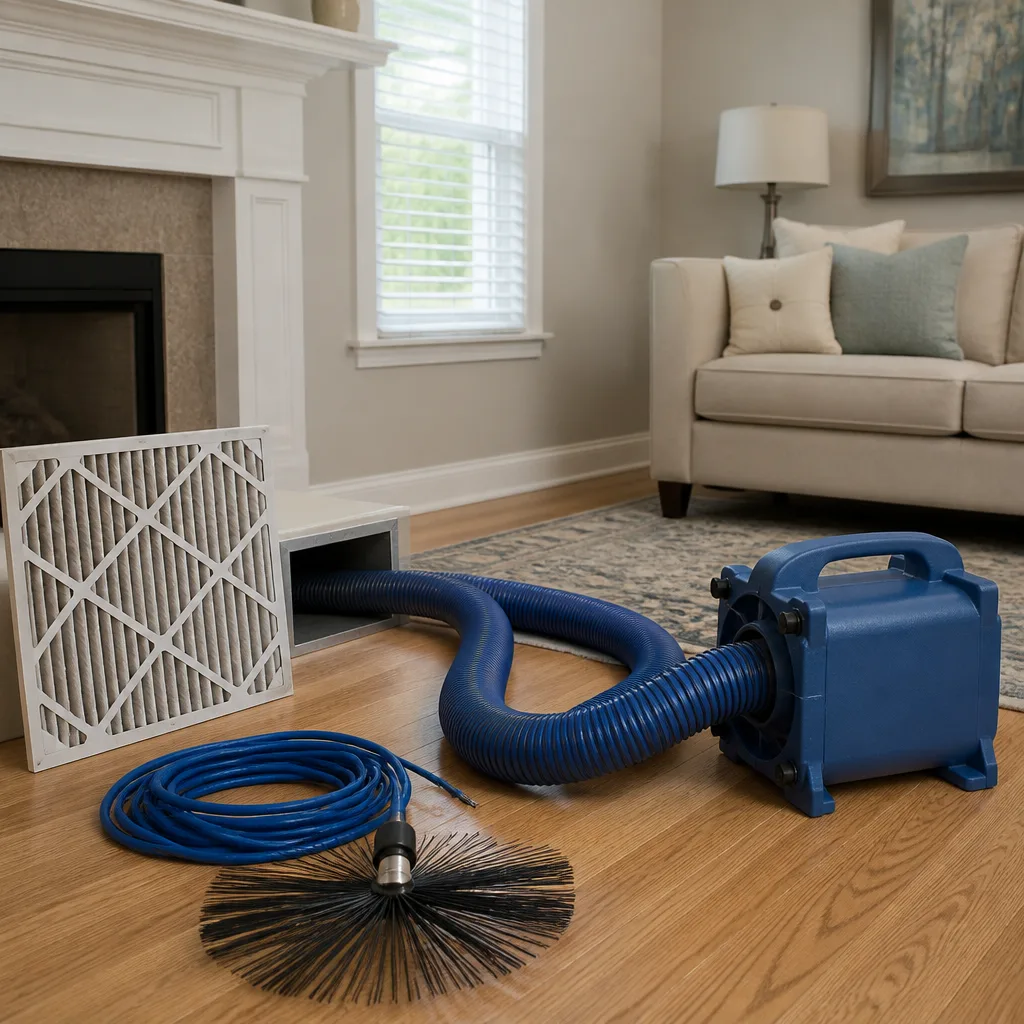
The right equipment matters here. A visual inspection with a flashlight tells you what’s visible from the register. A rotary-brush system paired with a negative-air vacuum, the kind built around machines like Rotobrush and Nikro equipment, tells you what’s actually inside. We run those systems together on every job because one agitates the residue and the other captures it under negative pressure, so what’s removed from the ducts stays removed instead of being blown into the living space. Abatement Technologies filtration equipment follows the same contamination-control logic. We’re not running a shop vac and calling it done.
Common Mistakes to Avoid
- Running the system to “clear out” the smoke. This spreads settled particulate through the entire duct network and forces it into the blower and coil. Shut it down, replace the filter, and leave it off until inspected.
- Spraying air fresheners or duct deodorizers into the registers. Masking an odor does not remove the source. It adds another chemical layer to the residue and makes professional assessment harder because you’ve altered the evidence.
- Attempting to dry wet ducts with a household fan at the register. A fan at the register blows air across the opening but does not dry the interior of flexible duct or insulation. Wet fiberglass insulation does not air-dry in place. It stays wet and grows mold.
- Ignoring a post-earthquake hiss or rattle. New sounds after a tremor usually mean something shifted, and a disconnected duct in the attic is silently heating or cooling the attic instead of the house while your utility bill climbs.
- Declining a written report after the work is done. A verbal “looks good now” is not documentation. If you’re filing an insurance claim, or if you may file one later, you need the written assessment.
- Choosing a contractor based on a coupon. Post-event duct cleaning is not the same as routine maintenance. The low-bid operator with a truck-mounted vacuum and a punch list of add-ons will not have the equipment to properly clean a smoke-contaminated system or assess water-damaged duct runs.
See the difference
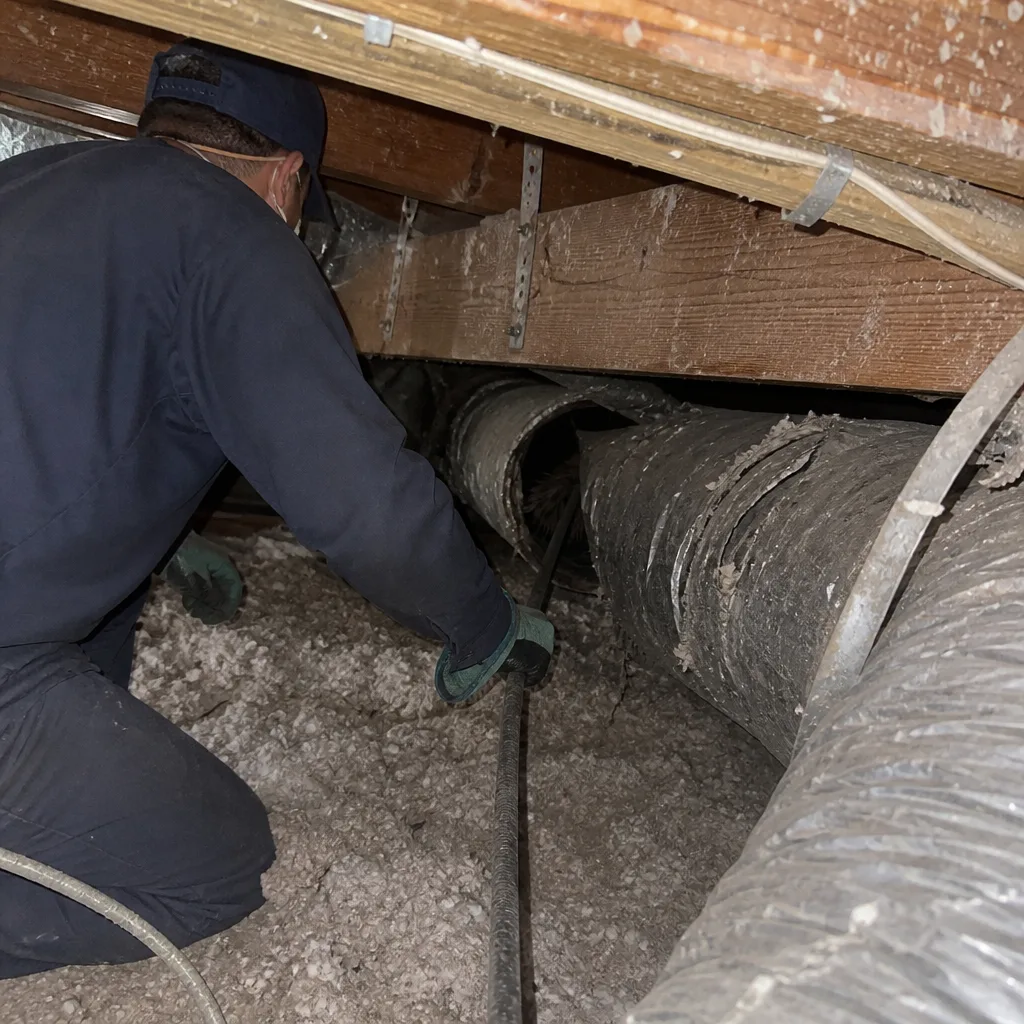 Before
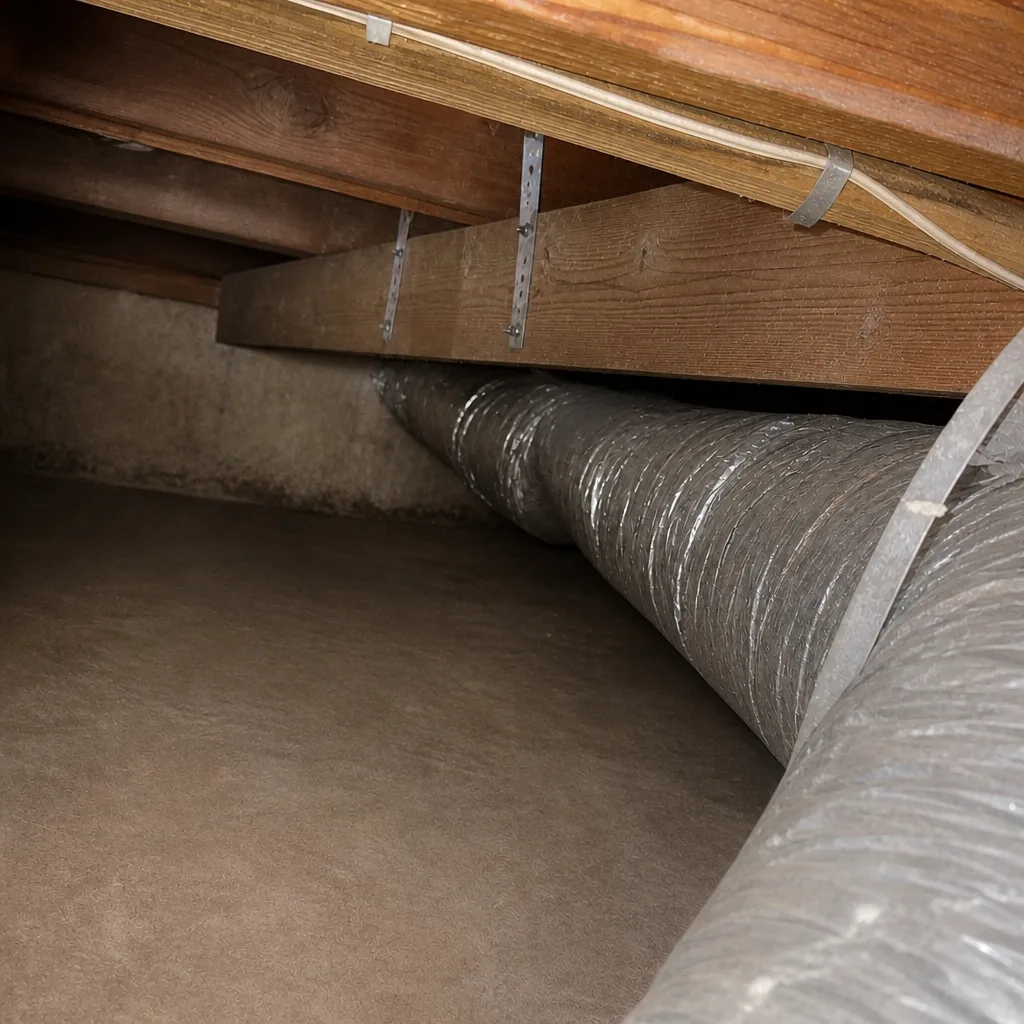 After
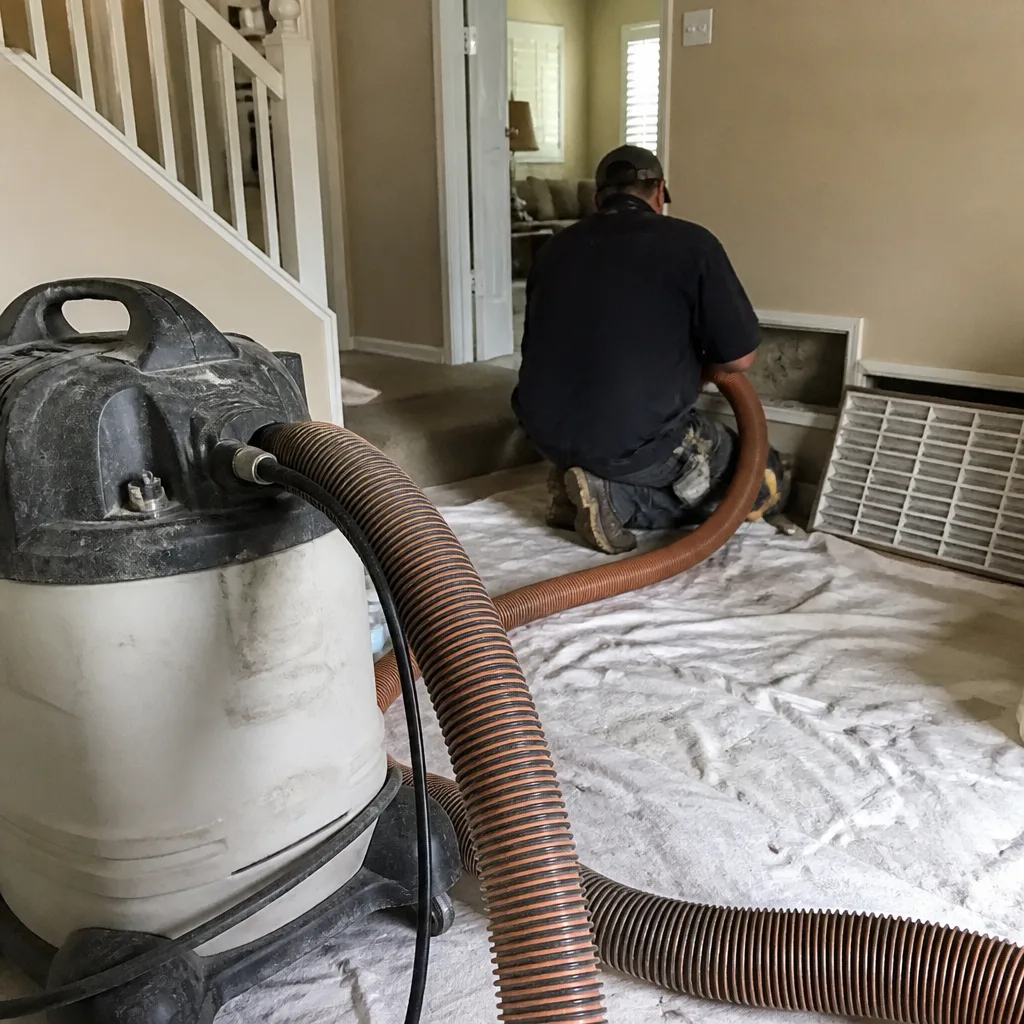 Before
 After
 Before
 After
When to Call a Professional
Call a professional when the system ran during a wildfire smoke event and the filter shows visible black or brown loading. Call when water has visibly entered the duct system or when registers dripped during a rain event. Call when a significant tremor leaves you with new rattles, weak airflow in specific rooms, or registers that have visibly shifted in their openings. Call when odor persists more than a few days after you’ve replaced the filter and cleaned what’s visible. And call when you’re preparing an insurance claim and need a written professional assessment. If you’re in San Clemente and you’re unsure whether your ducts need attention after an event, Monarch Air Duct Cleaning offers free estimates, and we’d rather tell you the system is fine than sell you a cleaning you don’t need. Call (866) 282-7304. We answer 24/7. Fast dispatch from 7am to 7pm, Sunday through Friday.
Frequently Asked Questions
Does air duct cleaning actually remove wildfire smoke odor?
Yes, when the cleaning is done mechanically and the source of the odor is particulate residue on duct surfaces. A rotary-brush system paired with a negative-air vacuum removes the deposited material that continues to release odor compounds. If the system ran heavily during the smoke event, the evaporator coil and blower wheel also need cleaning, because those surfaces hold residue too. Odor that returns within days usually means one of those components was skipped.
How soon should I have my ducts inspected after a wildfire in San Clemente?
If the system ran during heavy smoke, shut it down immediately and schedule the inspection within one to two weeks. The particulate is not actively spreading once the system is off, so you have time to document everything and choose a qualified contractor. If you continue running the system, the residue distributes further and bakes onto the coil, which makes the eventual cleaning more involved. Shut it down, then call.
Does water-damaged ductwork always need to be replaced?
Flexible duct with wet insulation almost always needs replacement. The fiberglass insulation inside the jacket does not dry reliably in place, and mold begins colonizing within 48 to 72 hours. Sheet metal duct with sealed seams can sometimes be dried, cleaned, and sanitized if the water exposure was brief and the exterior insulation stayed dry. A professional hands-on inspection is the only way to make that call accurately.
Will my homeowners insurance cover air duct cleaning after smoke or water damage?
Coverage depends on your policy and the cause of loss, and we don’t advise homeowners on policy interpretation. What we can tell you is this: insurance claims succeed on documentation. Photos of the event, the used filter, visible residue, water staining, and a written professional report all support your claim. A verbal summary does not. Document first, clean second.
I felt a tremor and now one room doesn’t get much air. Is that a duct problem?
It very well could be. Earthquakes can pull flexible duct connections off register boots, separate hard duct joints, and crack mastic seals. The room loses airflow while the attic or wall cavity gains it. New rattles, hisses, or a sudden temperature imbalance in one room after a tremor all point to a mechanical problem in the duct distribution system, not a thermostat issue.
What makes one duct cleaning company better suited for post-event work than another?
Equipment and process. Post-event work requires agitation and containment: a rotary-brush system to break residue off duct surfaces, and a HEPA-rated negative-air vacuum to capture it under negative pressure. Companies running consumer-grade vacuums and brush attachments are not removing the same material. Ask what equipment they run, and ask for before-and-after documentation. A company that can’t name its equipment or won’t show its process is a risk.
The Bottom Line
San Clemente homes sit in a region where wildfire smoke, water intrusion, and seismic movement are real possibilities, not abstract risks. Each event stresses duct systems differently. Smoke coats surfaces and demands mechanical cleaning before the system runs again. Water penetrates materials and usually means replacement of insulated duct sections. Earthquakes break connections and leave rooms underserved. The through-line for all three is this: shut the system down after an event, document everything before you touch it, and bring in a professional who can tell you what actually happened inside the walls. For more on what routine duct work involves, read our guide to air duct cleaning or see how dryer vent cleaning addresses a different kind of fire risk. This guide was written for San Clemente homeowners by people who work in those systems every week.
Written by the team at Monarch Air Duct Cleaning, serving San Clemente since 2012.