
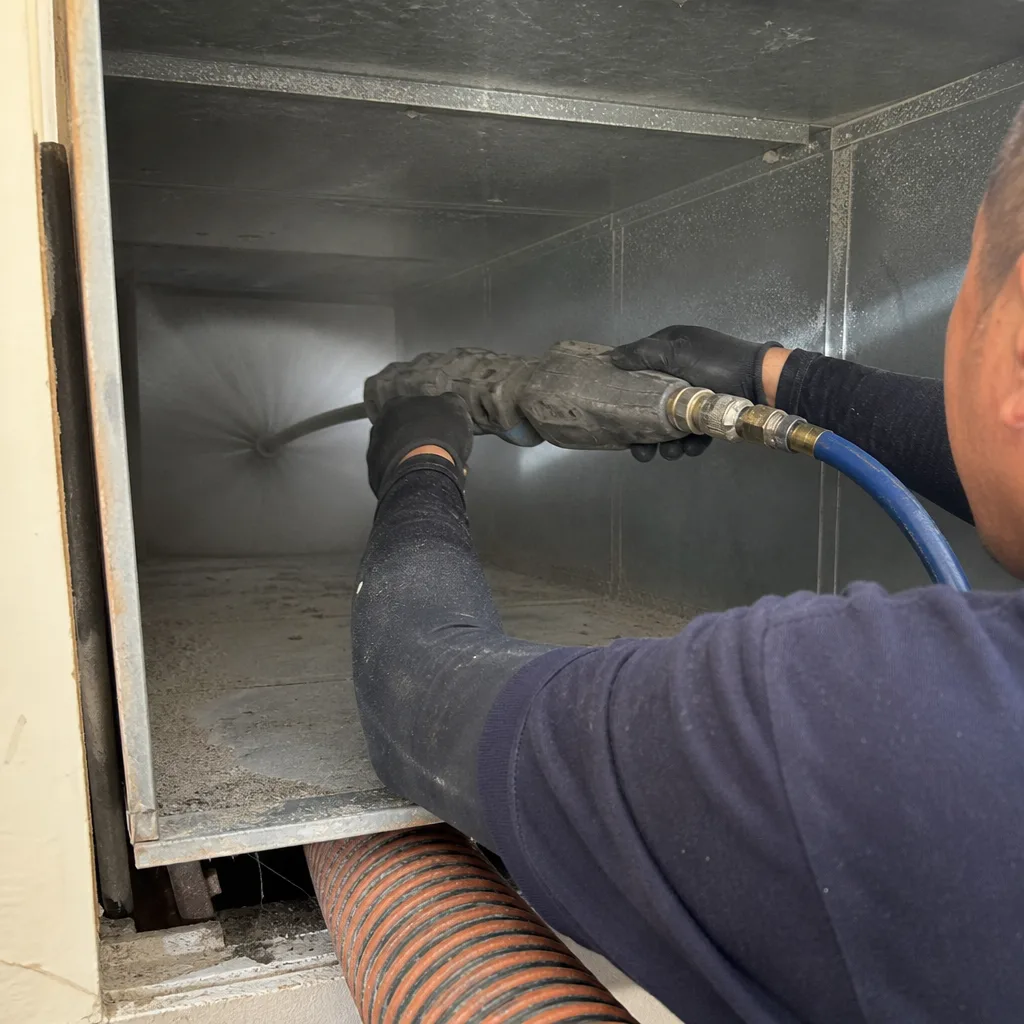
Last updated November 4, 2026
 Whole-home duct cleaning
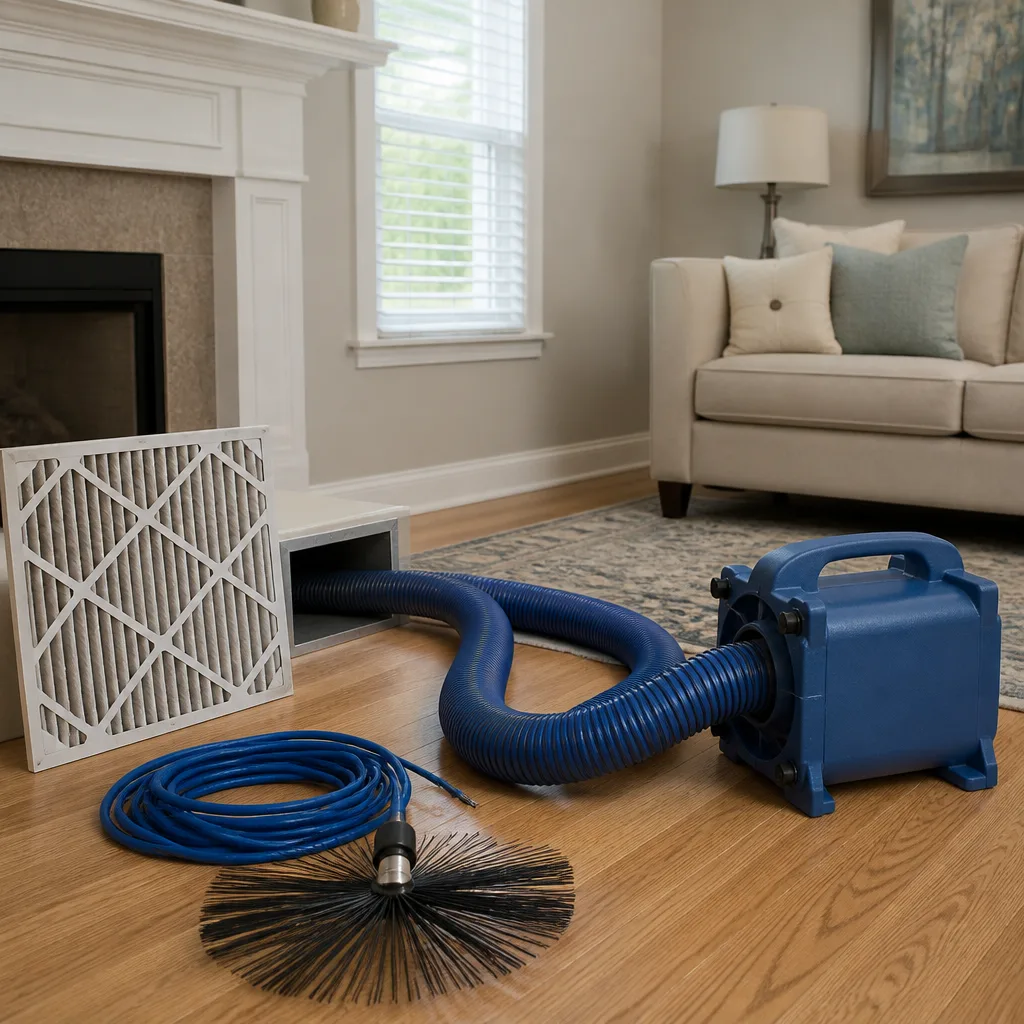
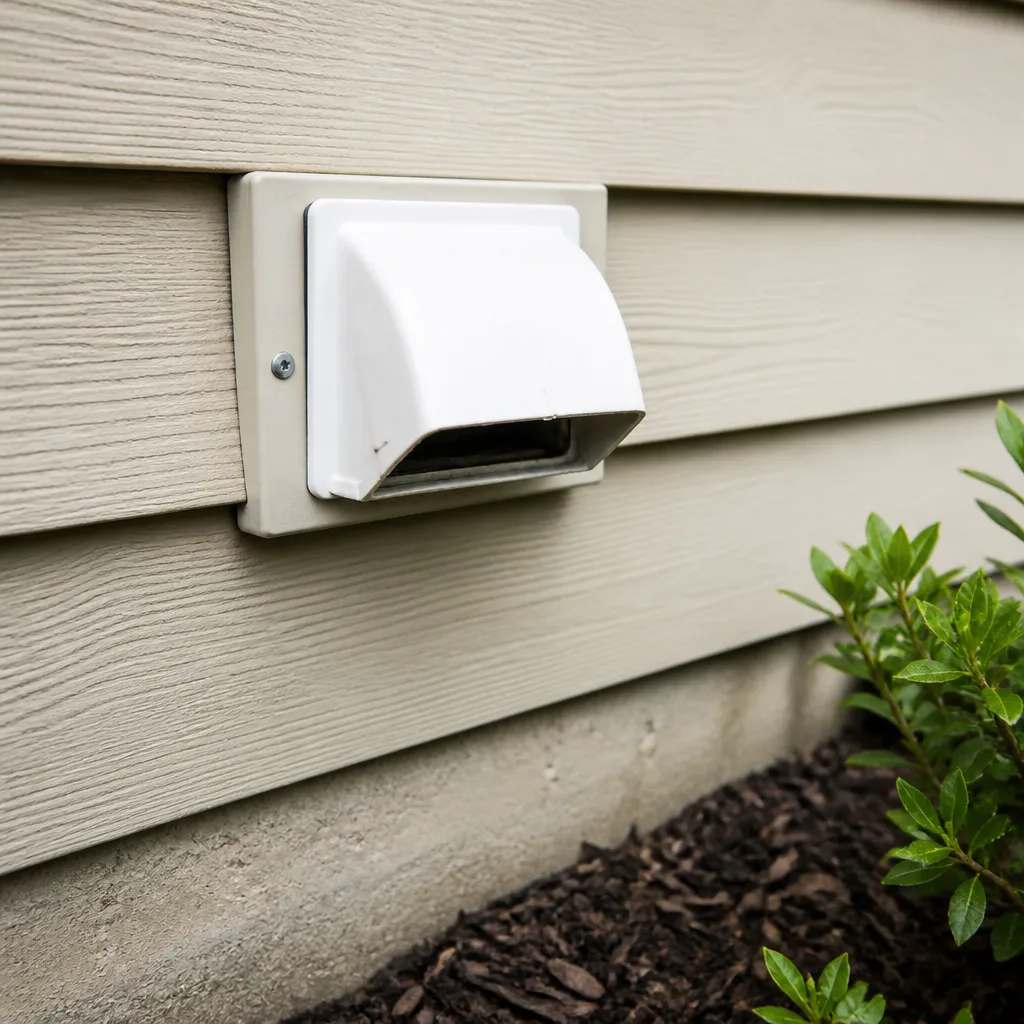 Dryer vent cleaning
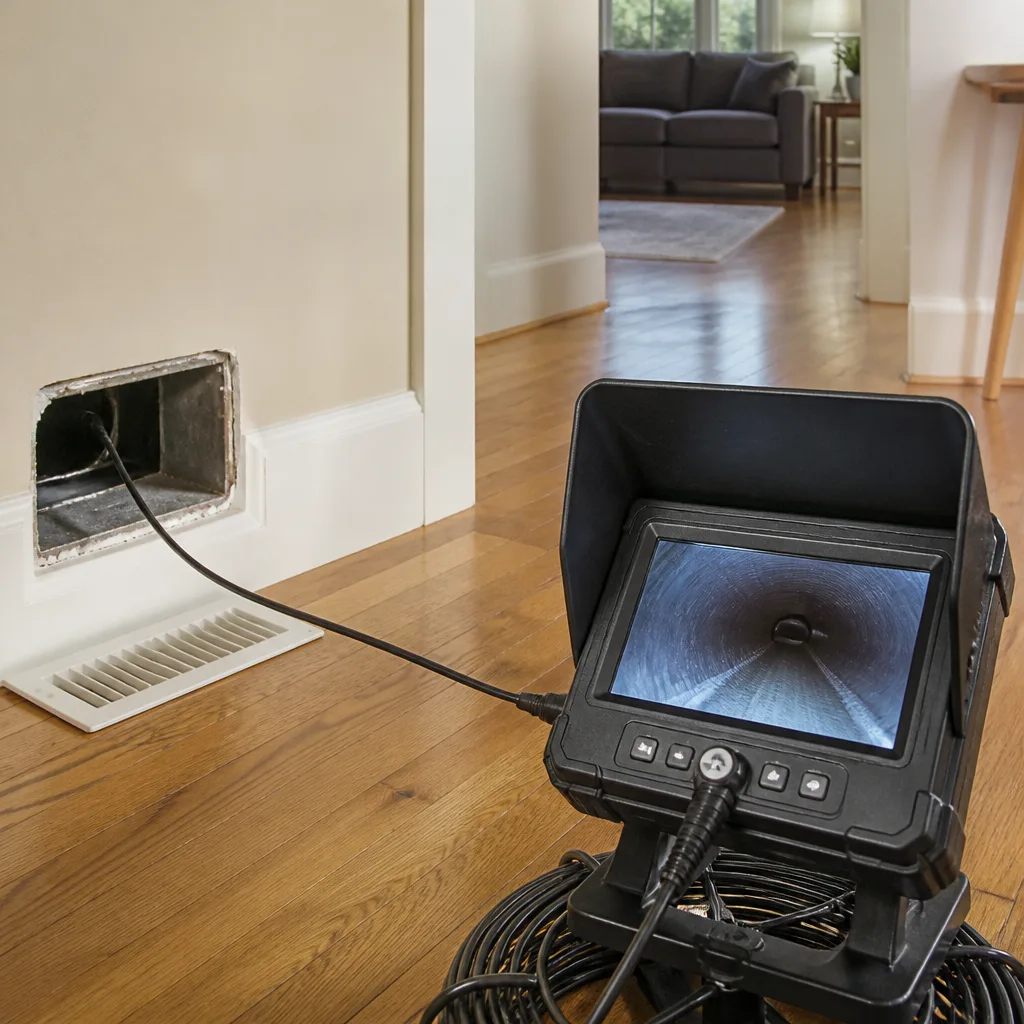 Camera inspection
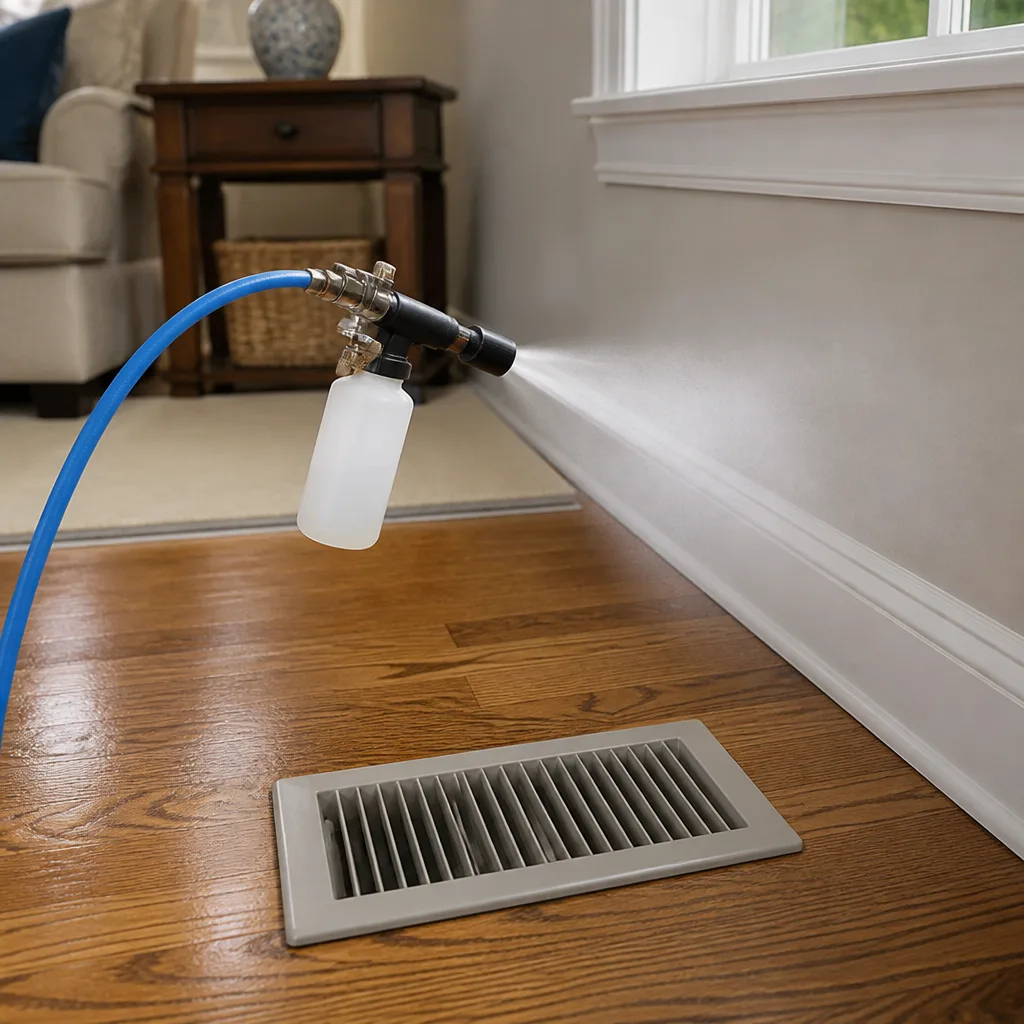 Sanitizing & deodorizing
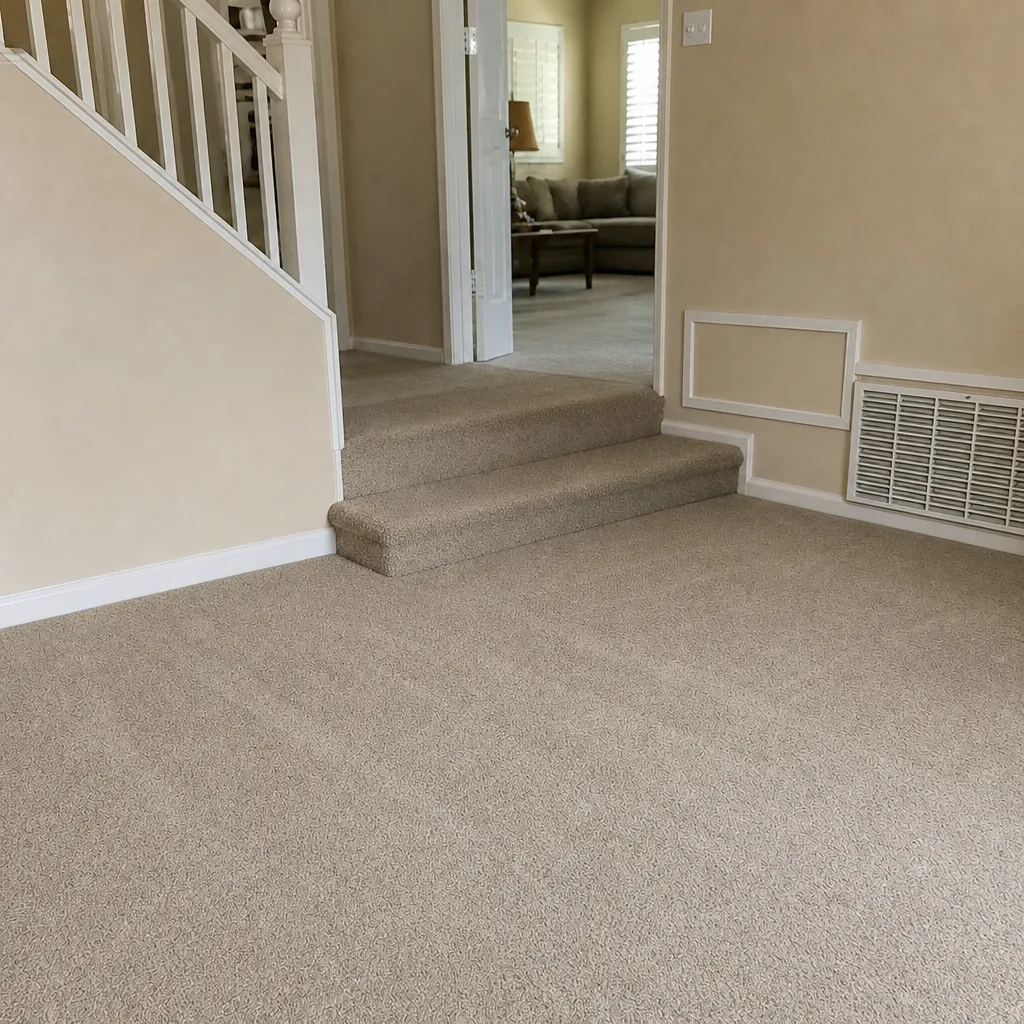
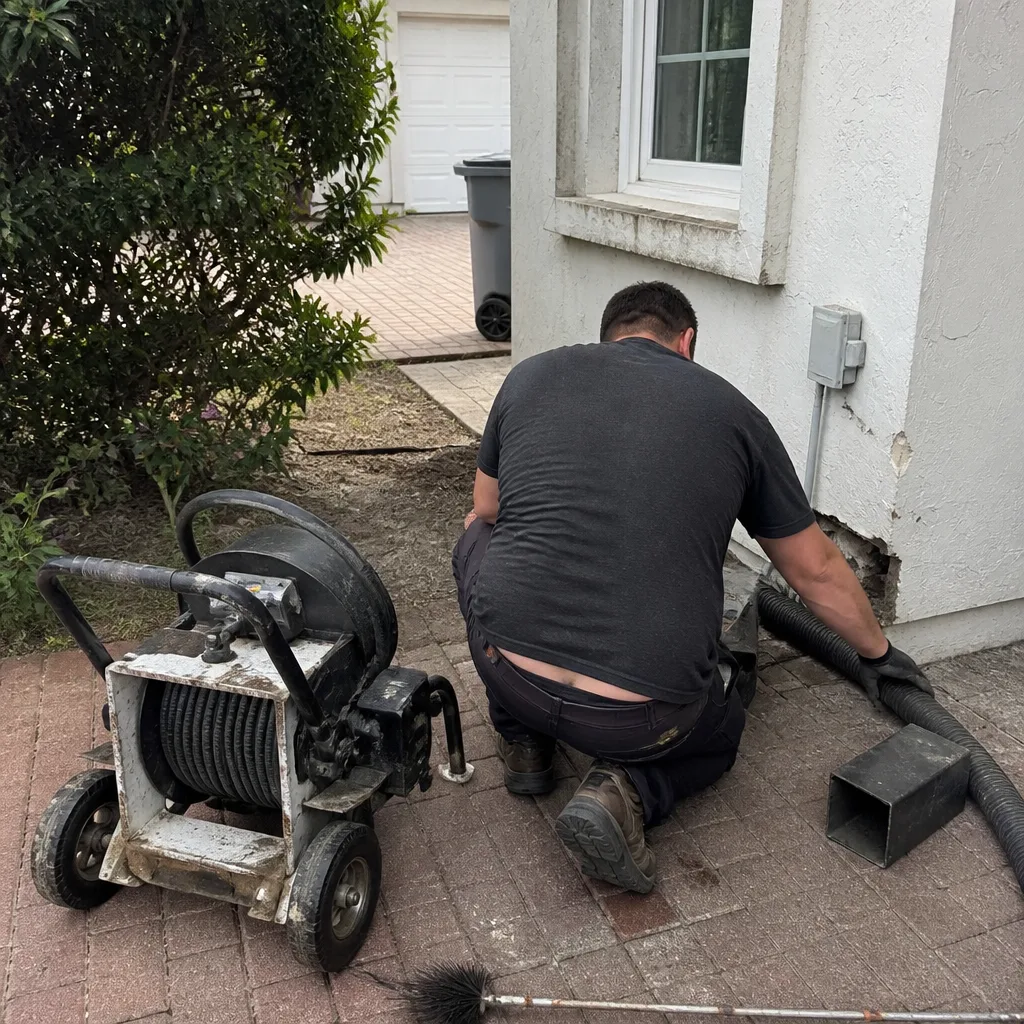
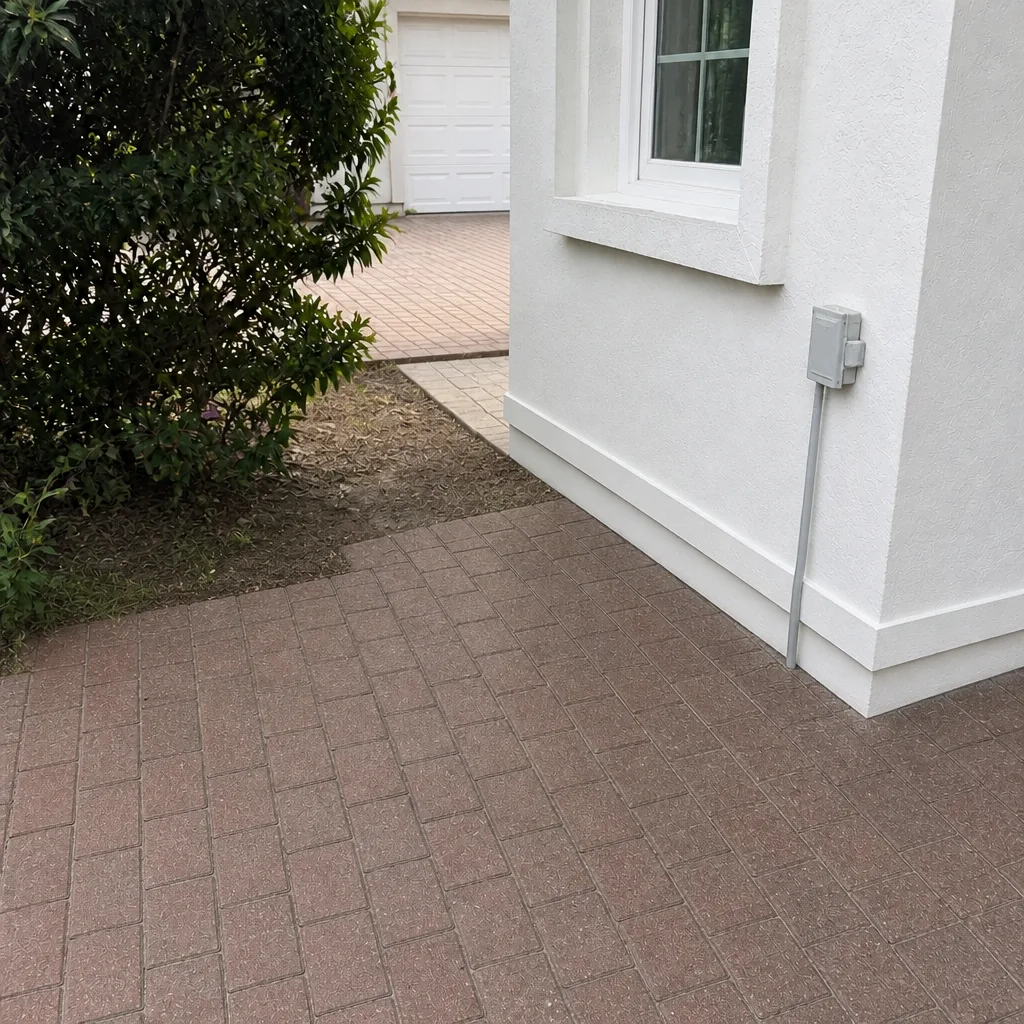
Whole-system duct and dryer vent check with before-and-after photos - you see exactly what came out of your vents
That "$99 whole-house special" is a bait ad - the real number appears once they are in your hallway, or the "clean" is a shop-vac at the register. We photograph the inside of your ducts before and after instead.
Air Duct Cleaning Troubleshooting in San Clemente: Common Problems and How to Fix Them
A clogged return duct and a failing blower motor produce nearly identical symptoms in a San Clemente home: weak airflow from the registers, longer cooling cycles, and a system that runs without really changing the room temperature. One of those problems is typically resolved for under a hundred dollars with a proper duct cleaning. The other can run eight times that and requires an HVAC technician. Knowing which one you’re dealing with starts at the vent, not the thermostat. This guide walks through the most common duct problems San Clemente homeowners report, how to read the symptoms correctly, what you can safely check yourself, and when the right move is a professional inspection rather than another guess.
Quick Answer
Most air duct problems in San Clemente fall into three categories: airflow restrictions, contamination, and leakage. Match the symptom to the system: musty smells that appear only when the air kicks on point to debris in the ducts, while uneven room temperatures usually indicate a balance or design problem. Start with a visual inspection of your registers and filter, rule out the simple causes, then call a professional when symptoms overlap or persist.
Styles & brands we work with
- Whole-home duct cleaning
- Dryer vent cleaning
- Camera inspection
- Sanitizing & deodorizing
Table of Contents
- The Symptom-to-Cause Matrix: Reading What Your Ducts Are Telling You
- San Clemente’s Coastal Humidity and Mold-Mimicking Odors
- The 20-Minute Ceiling-to-Vent Inspection You Can Run Yourself
- When a Cleaning Problem Is Actually a Design Problem
- Red Flags That Mean Stop Troubleshooting and Call Immediately
- What Actually Fixes These Problems: Cleaning, Repair, or Replacement
- Common Mistakes to Avoid
- When to Call a Professional
- Frequently Asked Questions
The Symptom-to-Cause Matrix: Reading What Your Ducts Are Telling You
Here’s the reality most troubleshooting guides skip: duct problems rarely announce themselves with a single, clean symptom. A weak airflow complaint can trace back to a dirty coil, a crushed flex duct, an undersized return, or a blower motor losing its bearings. Homeowners who misread the overlap end up paying for a cleaning when they needed a repair, or replacing a motor when the real issue was fourteen years of accumulated debris in the return plenum. In San Clemente, where many homes were built across different decades with different duct materials and layouts, the age of the house often shapes which problems are most likely.
Use this matrix as a first-pass triage. Match what you’re observing to the most probable cause, then verify with the inspection steps in the next section.
- One room consistently warmer than the rest of the house. Likely causes: a damper that’s partially closed, a disconnected or crushed flex duct in the attic, or an undersized supply run to that room. Duct cleaning alone won’t fix a disconnected run. This is a repair issue, not a contamination issue.
- Visible dust or debris blowing from a specific vent when the system starts. Loose debris in the duct itself, often from construction, a recent remodel, or simply years of accumulation breaking free. Cleaning resolves this directly.
- A rattling or flapping sound from the ceiling or wall when the air cycles on. Usually a loose damper, a section of flex duct that has come unstrapped, or debris caught in a turn. Cleaning and a physical inspection address both possible causes.
- A musty or stale smell that appears only when the AC or heat kicks on. Debris in the ducts is absorbing moisture and releasing odor when air moves across it. In San Clemente’s humidity profile, this is one of the most common complaints we hear. A full air duct cleaning removes the source rather than masking it.
- Airflow that’s weak at every register, not just one. Check the filter first. Then suspect a blocked return or a blower issue. A return that’s pulling against a wall of debris starves the whole system.
- Dust appearing on furniture within days of cleaning, with no other source. Your ducts are likely distributing dust from inside the system. This is contamination, and it calls for cleaning, not just a better furnace filter.
- Whistling or hissing from a register even when it’s fully open. High static pressure, often caused by an undersized return or too many closed registers. This is a design or usage issue, not a cleanliness problem.
The value of this matrix is honest triage. Some of these problems are solved by cleaning. Some are solved by sealing or repair. A few are solved by rethinking how the system was originally laid out. When you can articulate which symptom matches your situation, you’re already ahead of most service calls we respond to in San Clemente.
San Clemente’s Coastal Humidity and Mold-Mimicking Odors
San Clemente sits close enough to the Pacific that humidity gets into everything, including the inside of your ductwork. What homeowners often misread as a mold problem is frequently something simpler: damp dust and organic debris that has settled inside the ducts and begun to decompose. The odor is real. It smells unpleasant. But it may not be mold, and it may not require remediation. That distinction matters because it changes the service you need and the price you pay.
Salt-damp debris, as it accumulates on duct interiors and the blower housing, produces a musty odor when the fan moves air across it. The smell is strongest in the first few seconds after the system starts, then fades as the air stream carries it away. Mold, by contrast, tends to produce an odor that persists the entire time the system runs and often worsens in humid months. In our work with San Clemente homes, the vast majority of musty-smell complaints resolve fully with a professional cleaning that removes the damp debris source.
Here’s how to narrow it down before anyone comes to your door:
- Turn your system off and let it sit for an hour. Then stand near a register and have someone else turn it on. Note when the smell appears and how long it lasts.
- If the odor spikes at startup and fades over two to five minutes, that points toward damp debris in the ducts. Cleaning is the fix.
- If the odor persists constantly while the system runs, or is stronger on humid days, investigate potential mold. Look for visible dark staining on the register, the surrounding drywall, or the inside of the duct as far as you can see.
- Check whether the smell moves with the air stream or is local to one room. A smell confined to one register often indicates a localized contamination source, not a whole-system issue.
One more local factor: homes near the ocean in San Clemente experience higher indoor humidity than those a few miles inland, and that humidity condenses on cooler duct surfaces during summer. The result is exactly the damp environment that turns ordinary dust into an odor source. Running an Aprilaire or whole-home dehumidifier can help, but it won’t remove debris that’s already accumulated. The debris has to come out first. The equipment brands that matter here are the ones used during cleaning, which is why professional-grade systems like Rotobrush rotary brushes paired with Nikro HEPA filtration are the standard for this kind of work, not a consumer vacuum.
The 20-Minute Ceiling-to-Vent Inspection You Can Run Yourself
Before you schedule service, run through this inspection. It takes about twenty minutes, requires no special tools, and will either identify the obvious culprit or give you useful information to share with whoever you call. What it won’t do is replace a professional camera inspection of the duct interior, which is what separates a guess from a diagnosis.
Step 1: Check the filter. Pull it out and hold it up to light. Can you see through it? If it’s completely opaque with dust, replace it. A clogged filter alone can cause weak airflow at every register, and it costs about ten dollars to fix.
Step 2: Walk the house and open every register fully. Homeowners close registers in unused rooms to redirect air, but excessive closing raises static pressure and forces the blower to work harder. Open all of them, then reassess airflow.
Step 3: Remove one or two register covers and look inside. Use a flashlight. What you’re looking for: visible dust buildup on the duct walls, debris such as drywall chunks or insulation, and any object that should not be there. This is exactly what the technician sees during an air duct cleaning inspection, just from a less complete vantage point.
Step 4: Check the return grille. The return is the large grille that pulls air back into the system. If it’s covered in a gray film of lint and dust, the system is inhaling through a restriction. Vacuum it off and see whether airflow improves.
Step 5: Inspect visible ductwork in the attic or crawlspace. Look for disconnected joints, collapsed flex duct, or sections that have been crushed by stored boxes. You’re looking for obvious physical damage, not microscopic detail.
Step 6: Note where the symptoms are strongest. Write down which rooms feel warm, which registers smell, and which areas get dusty fastest. That specific information helps the technician target the inspection rather than searching blindly.
If everything above checks out and the symptoms persist, the problem is inside the duct system or the equipment itself. That’s the point where professional inspection pays for itself. In San Clemente, where many homes have attic duct runs that are fully hidden from view, the camera inspection is often the first time anyone has actually seen the inside of the system in years.
When a Cleaning Problem Is Actually a Design Problem
Some duct complaints in San Clemente have nothing to do with cleanliness. The ducts were never sized or laid out correctly in the first place. Cleaning can’t fix a design problem, and homeowners who spend money on cleaning before addressing the layout often end up disappointed. Here’s how to recognize a design issue.
Undersized returns. A return is the duct that pulls air back to the blower. If it’s too small, the whole system starves. Symptoms: weak airflow at every register, a whistling sound from the return grille, and a blower that runs constantly without satisfying the thermostat. The fix is usually adding a return or enlarging the existing one, which is a modification, not a cleaning.
Poor supply layout. Older San Clemente homes sometimes have long supply runs with too many bends, or rooms that share a single undersized branch. One hot room in the back of the house while the front rooms cool adequately is the classic signature. Air takes the path of least resistance, and a poorly balanced layout sends it to the nearest registers first.
Flex duct that’s too long or poorly supported. Builders sometimes leave extra slack in flex duct runs, which sags over time and creates resistance. Crushed sections behind stored items in an attic have the same effect. These issues are visible on inspection and are repaired physically, not cleaned away.
Leakage at joints and connections. Duct systems lose air at every unsealed joint. In an attic leak, the result is conditioned air escaping into an unconditioned space. The symptom is a system that runs long cycles but doesn’t move enough air into the living areas. Sealing the joints resolves this. We address this as part of our air duct cleaning scope when we find it, because there’s no point cleaning a system that’s leaking the air you’re paying to condition.
If your home has a design problem, the honest recommendation is a repair before a cleaning. Our approach at Monarch Air Duct Cleaning is to inspect first and tell you which problem you actually have. Some companies will clean a poorly designed system and leave, happy to take the money. We’d rather fix the layout issue or seal the leaks first, then clean the system so you’re not paying twice.
Red Flags That Mean Stop Troubleshooting and Call Immediately
Most duct problems are nuisances. They reduce comfort, waste energy, and annoy. A few are urgent. Learn to recognize the difference.
- Visible dark staining around a register or on the surrounding ceiling drywall. This can indicate moisture that has been present long enough to support microbial growth. Do not wipe it and move on. Have it inspected.
- An animal odor coming from multiple registers at once. If something has died in the duct system or an animal has been nesting, the odor will move with the air stream rather than staying local to one room. This requires removal of the source, not just cleaning around it.
- Airflow that dropped suddenly overnight. A progressive decline suggests buildup. A sudden drop suggests a physical failure: a collapsed duct, a damper that fell closed, or a blower problem. That changes the urgency and the type of service needed.
- Popping or grinding sounds from the blower area. This is equipment failure, not a duct issue. A blower motor with failing bearings may still move air for a while, but running it worsens the damage.
- Burning smell from the registers. Shut the system off and call a professional. This can indicate an electrical problem or a blower motor overheating.
None of these are DIY situations. What they share is the potential to become worse and more expensive if ignored. In San Clemente, where many homes have the furnace or air handler tucked into a closet or attic space that’s rarely visited, these symptoms are sometimes the first indication that something has been failing gradually for weeks.
What Actually Fixes These Problems: Cleaning, Repair, or Replacement
So you’ve inspected, you’ve matched symptoms, and you’ve narrowed the problem. Now what? Here’s what each fix involves, in plain terms.
Cleaning. Professional air duct cleaning removes accumulated debris from the supply and return ducts, the plenums, the blower housing, and the registers. The proper method uses negative air pressure to keep debris from re-entering the living space: a high-powered vacuum creates a controlled pull while rotary brushes agitate the duct walls and knock debris loose. The equipment matters here. Rotobrush rotary systems and Nikro HEPA-rated negative-air vacuums are professional-grade tools, the same dual-method combination used in remediation work, not a shop vac with a long hose. A proper cleaning addresses odor sources, reduces the dust load circulating through the house, and improves airflow when buildup was the restriction.
Repair. When inspection finds a disconnected joint, a crushed flex run, a damper stuck closed, or a leak at the plenum, cleaning alone won’t solve the airflow problem. The repair involves physically reconnecting, replacing, or sealing the damaged sections. We offer air duct cleaning and full duct repair because finding a problem during cleaning and then telling the homeowner to call another contractor is a failure of service. The same team that finds a crushed duct can fix it.
Dryer vent clearing. This is its own separate system, and it deserves its own mention. A clogged dryer vent is a documented fire hazard, and it produces symptoms that feel like a house-wide airflow problem when the dryer is running: longer dry times, a burning smell, and lint accumulation around the dryer. Our dryer vent cleaning service clears the full run from the dryer to the outside termination, which in many San Clemente homes means a vent that exits through the roof or a long wall run. This is safety work as much as comfort work.
Whole-home air quality upgrades. Sometimes the correct answer after a cleaning is filtration. If your home consistently struggles with dust or allergy symptoms, a whole-home filtration system from a line like Aprilaire or Honeywell can capture what a standard one-inch filter misses. We speak credibly to these systems because we work with them, and we’ll recommend them when they fit the house, not as an upsell.
The consistent theme is diagnosis before treatment. We clean it. We clear it. We fix it. That’s the full lifecycle of the duct system, and it’s the service philosophy we’ve built around in San Clemente.
Common Mistakes to Avoid
- Replacing the blower motor before checking the return. A starved system mimics motor failure. Check the filter, the return grille, and the return duct for restriction before condemning the blower. The cost difference is measured in hundreds of dollars.
- Paying for a mold remediation without confirming mold. Damp debris in San Clemente’s humidity produces a convincing musty odor. A proper inspection tells you which problem you have. Remediation for a problem you don’t have is the most expensive mistake in this industry.
- Thinking a better filter will solve dirty ducts. A pleated filter with a high MERV rating captures more, but it can’t remove debris that’s already in the duct system downstream of the filter. Clean first, then upgrade filtration if it fits the system.
- Closing registers to save energy. In most residential systems, closed registers raise static pressure and make the blower work harder while starving other rooms of air. This creates the exact symptoms that make homeowners think the ducts need cleaning.
- Ignoring the dryer vent because it’s a separate system. It’s the highest-fire-risk component in most homes, and it shares air with the laundry room which often shares space with the rest of the HVAC. Long dryer runs in San Clemente homes collect lint faster than most homeowners realize.
- Scheduling a cleaning without an inspection. A cleaning fixes what’s dirty. An inspection reveals what’s dirty, what’s broken, and what’s designed poorly. Skipping the inspection means paying for a service that may not address the actual problem.
When to Call a Professional
Call when the simple fixes have been ruled out and the symptom persists. Call when multiple symptoms overlap, because that’s when amateur diagnosis becomes genuinely unreliable. Call when you see dark staining, smell an animal odor, or notice a sudden drop in airflow. Call when your home has never had its ducts cleaned and you can see dust buildup in the registers. And call when you want to know what’s actually inside the system rather than guessing. Monarch Air Duct Cleaning offers free estimates in San Clemente. Better air starts inside the walls, and seeing the process beats trusting the promise. Call (866) 282-7304. We answer 24/7. Fast dispatch from 7am to 7pm.
Frequently Asked Questions
Air duct cleaning in San Clemente is priced per job, not per vent. A typical whole-home cleaning runs on a written estimate that accounts for the number of systems, the home’s square footage, and the accessibility of the ductwork. The estimate is free, and the price is set before work begins. Call (866) 282-7304 for a free estimate for your home.
A single warm room usually points to a damper that’s partially closed, a crushed or disconnected flex duct in the attic, or an undersized supply run to that room. Cleaning won’t fix a disconnected duct. A professional inspection will identify which of these is happening in your home.
Not necessarily. In San Clemente, damp debris inside the ducts produces a musty odor that mimics mold. If the smell spikes when the system starts and fades within minutes, debris is the likely source and cleaning resolves it. If the smell persists constantly and you see dark staining around registers, have it inspected for mold.
Most homes benefit from a professional cleaning every three to five years, though homes with pets, recent construction, or family members with allergies may need it more often. If you can see dust buildup inside the registers or the system hasn’t been cleaned since you moved in, it’s time for an inspection.
You can inspect and address the obvious surface issues: replace the filter, vacuum the return grille, and open closed registers. What you can’t do is reach the inside of the duct runs or apply negative-air pressure to prevent loosened debris from re-entering the living space. That requires professional equipment and training.
Yes, if the ducts are dirty. A system that moves air across years of accumulated debris distributes that dust through your home, and the debris acts as a restriction that makes the blower work harder. Cleaning restores the system to its designed airflow and removes the contamination source. Call (866) 282-7304 for a free estimate in San Clemente.
The Bottom Line
Duct problems in San Clemente are solvable, but only when the diagnosis matches the actual cause. The homeowner who knows how to read the symptoms, rule out the simple fixes, and recognize when a problem needs professional attention is the homeowner who doesn’t pay for the wrong service. Cleaning addresses contamination and odor. Repair addresses airflow and connection failures. Design issues need modification, not maintenance. And the red flags: dark staining, sudden airflow loss, animal odors, burning smells, all point to stopping the troubleshooting and making the call. Monarch Air Duct Cleaning serves San Clemente with professional-grade equipment and an honest inspection first. Call (866) 282-7304. We answer 24/7. Fast dispatch from 7am to 7pm.
Written by the team at Monarch Air Duct Cleaning, serving San Clemente since 2012.
See the difference
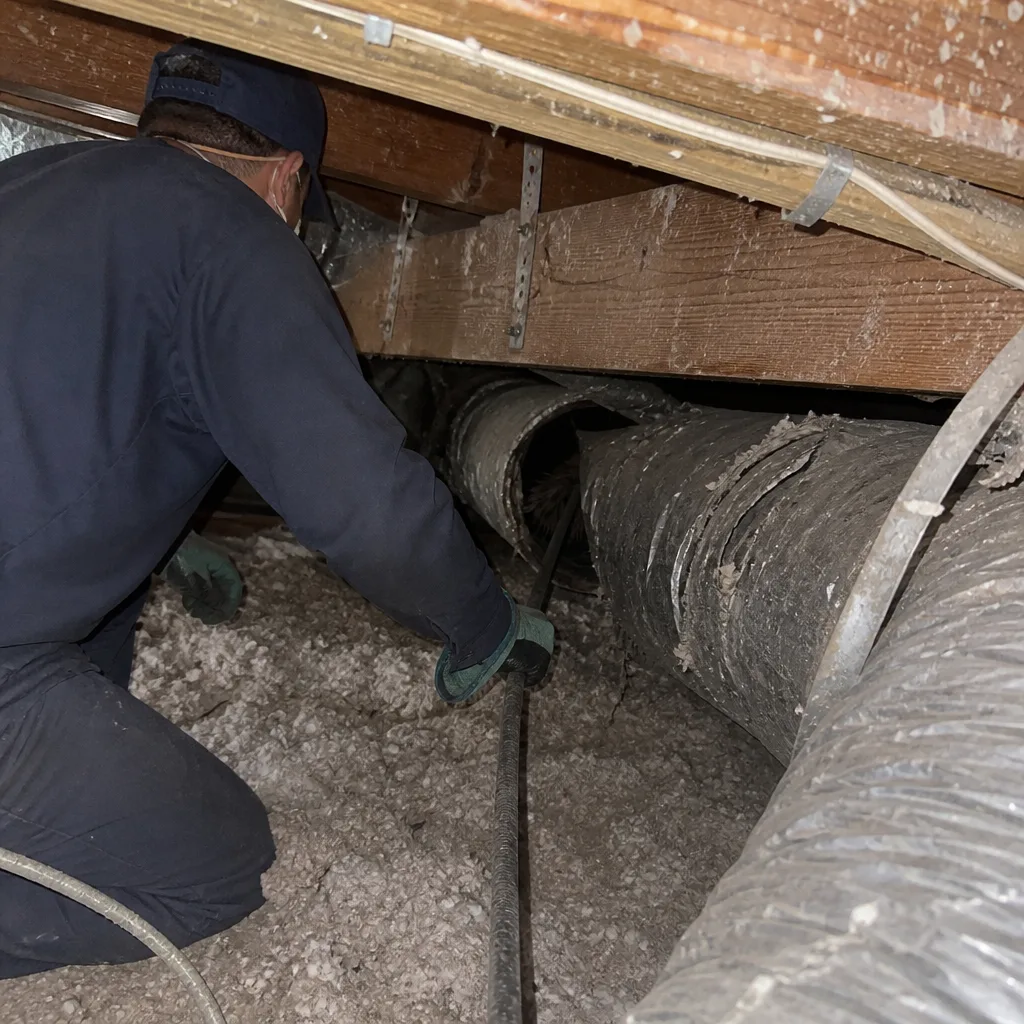 Before
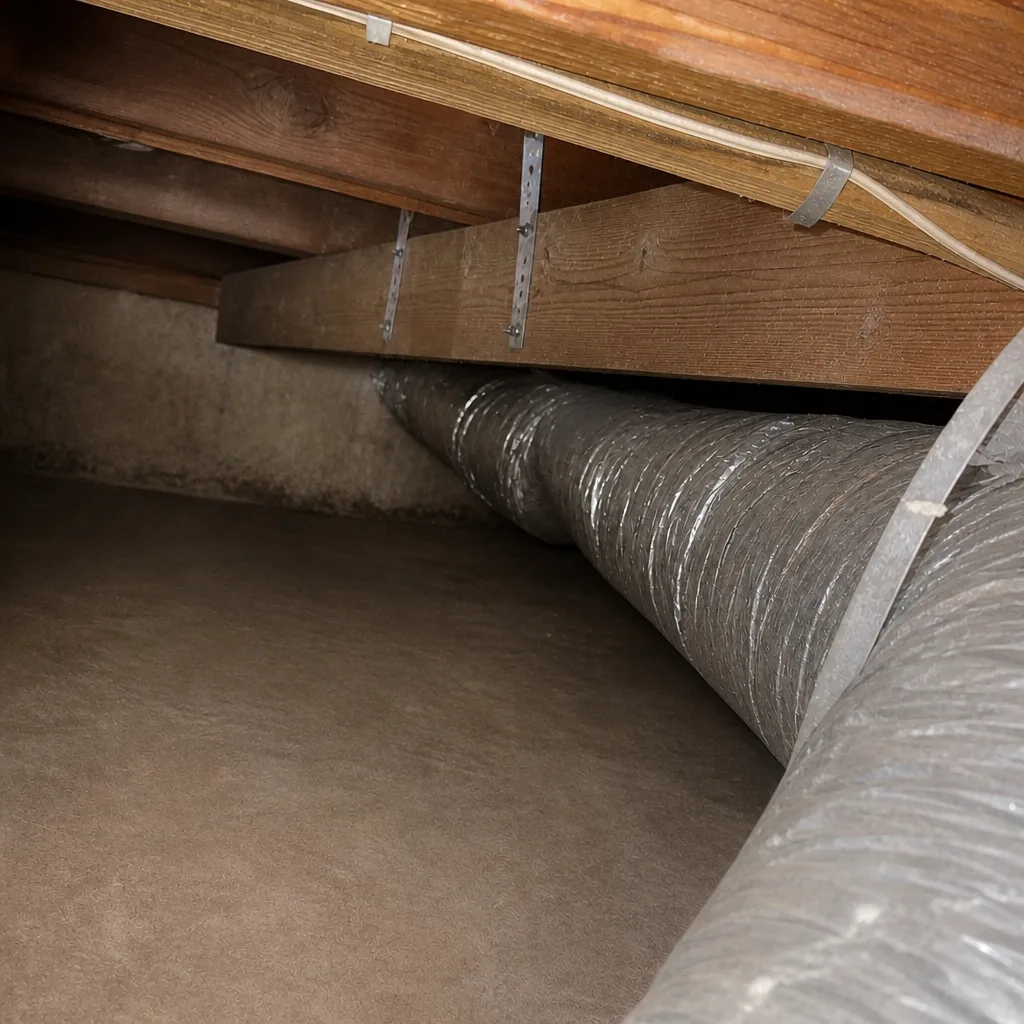 After
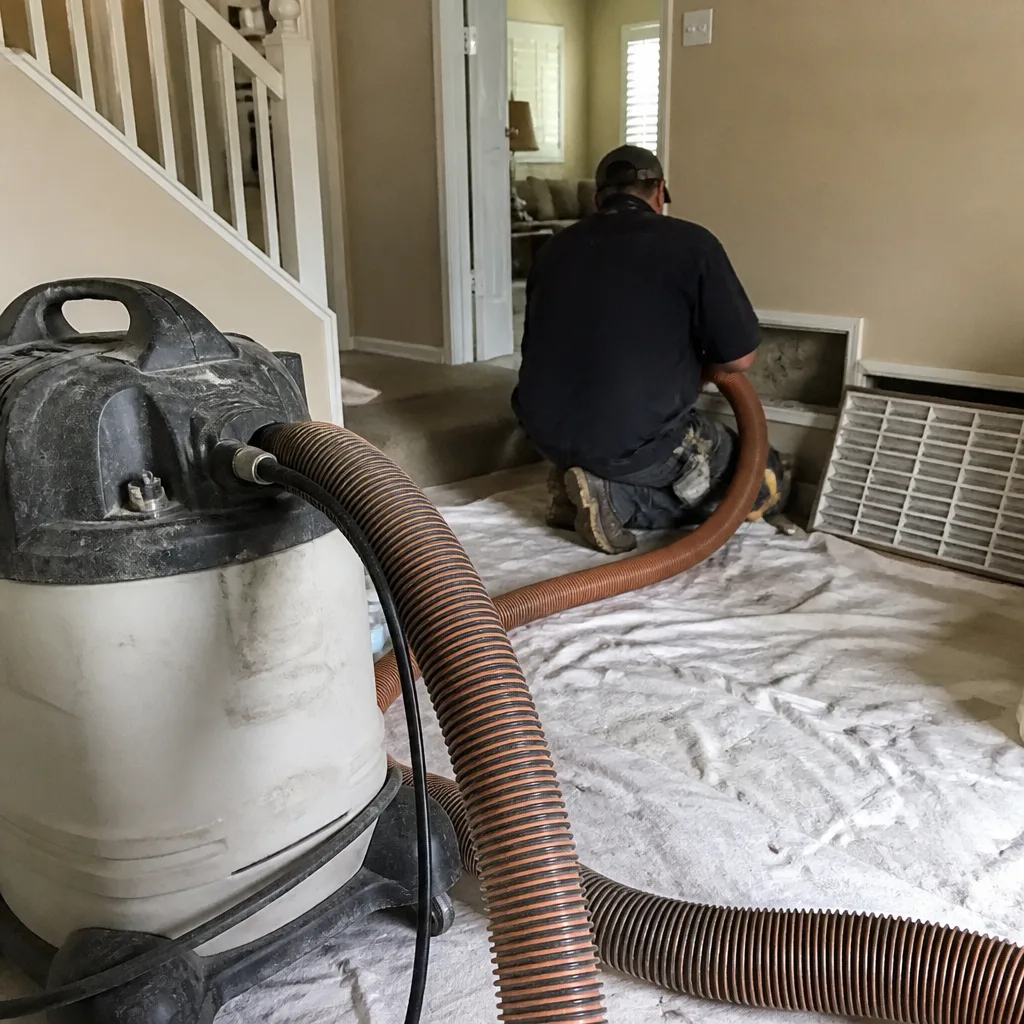 Before
 After
 Before
 After