
Last updated November 4, 2026
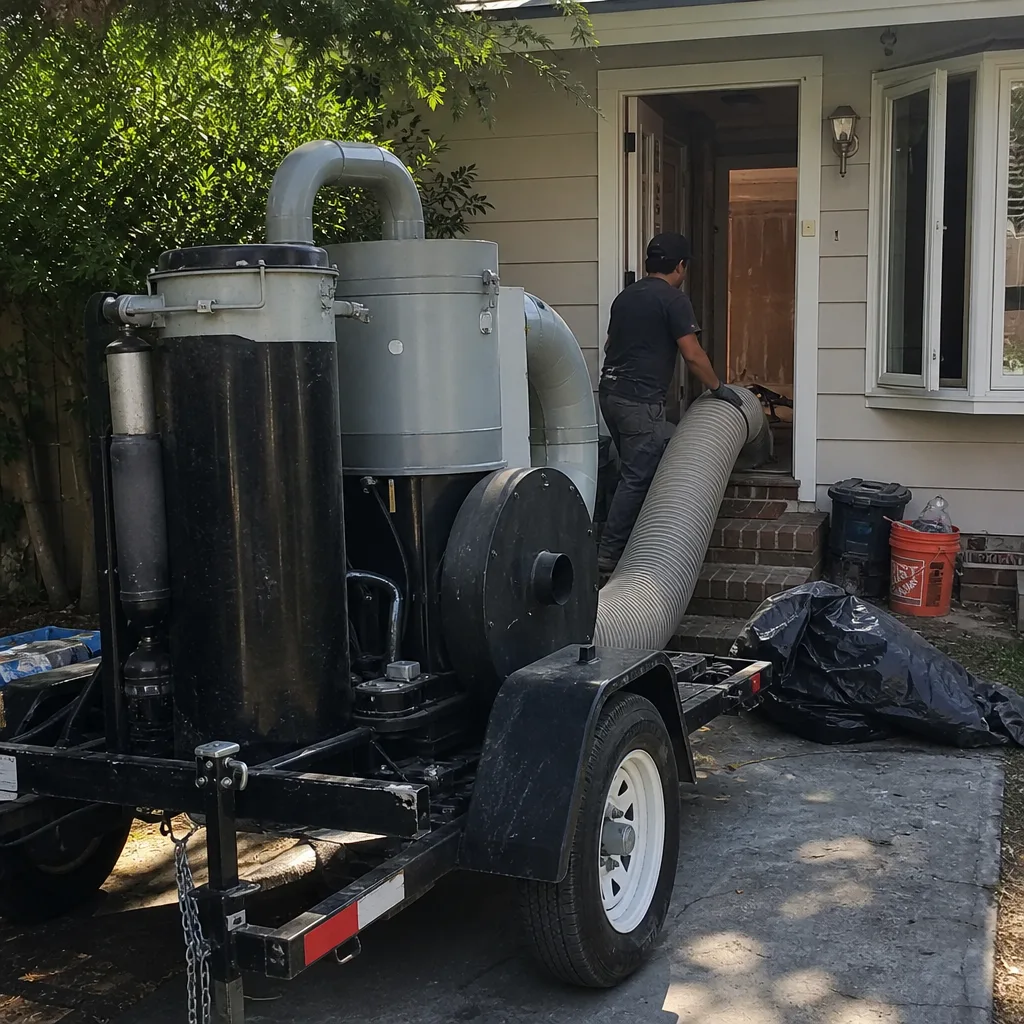
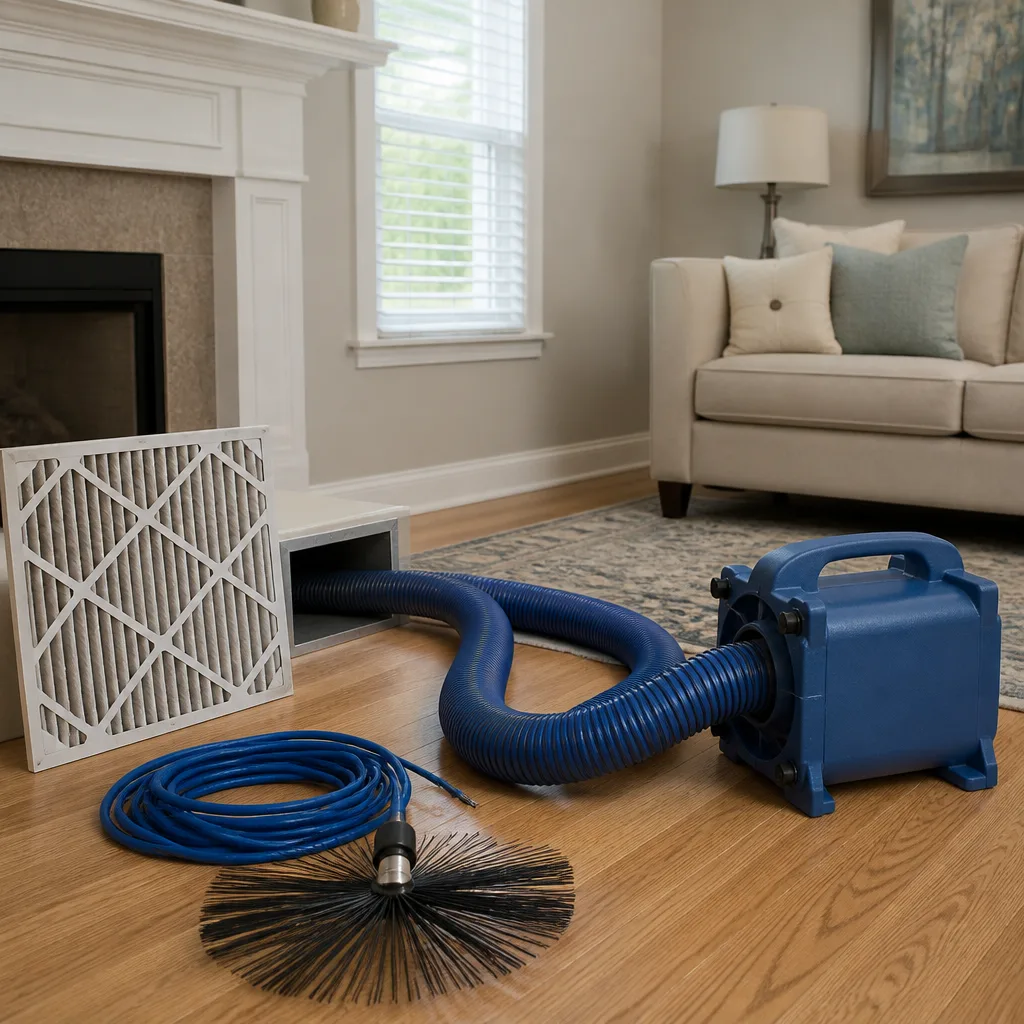 Whole-home duct cleaning
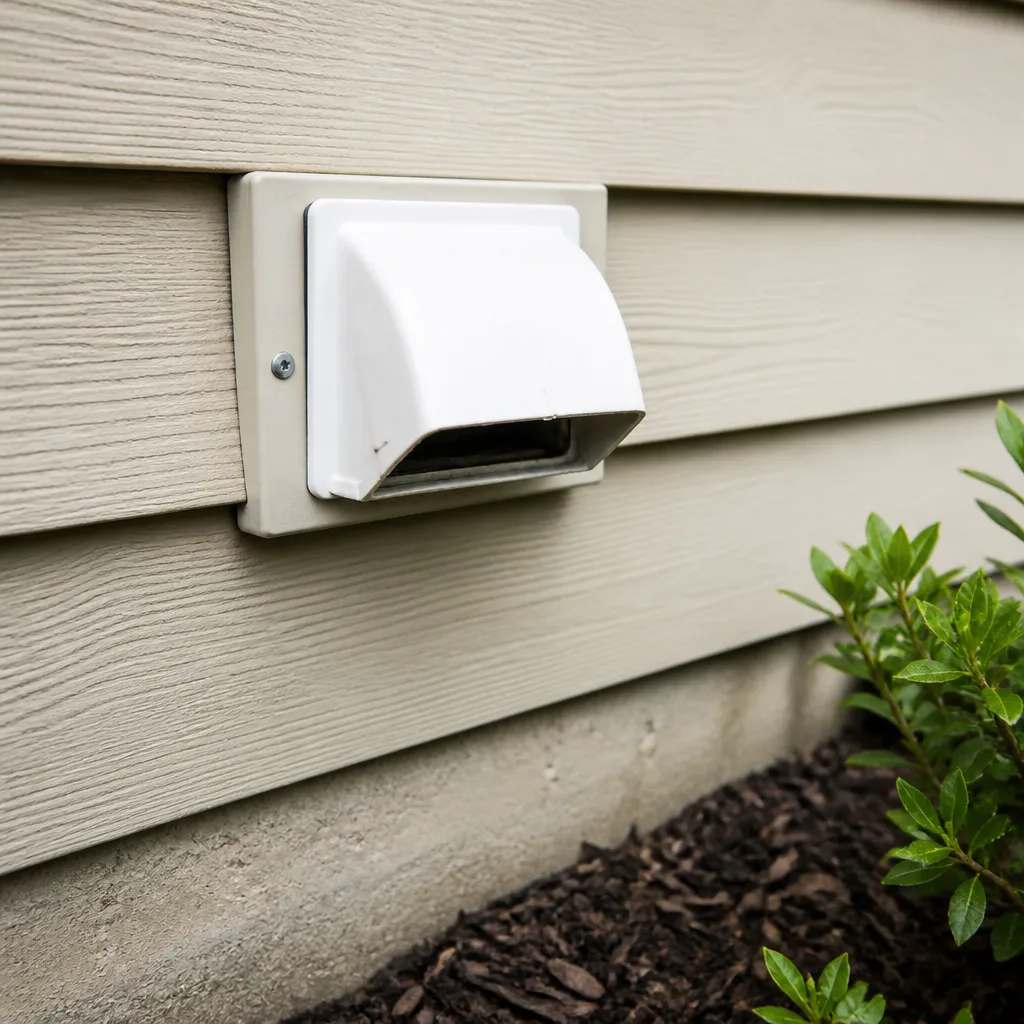 Dryer vent cleaning
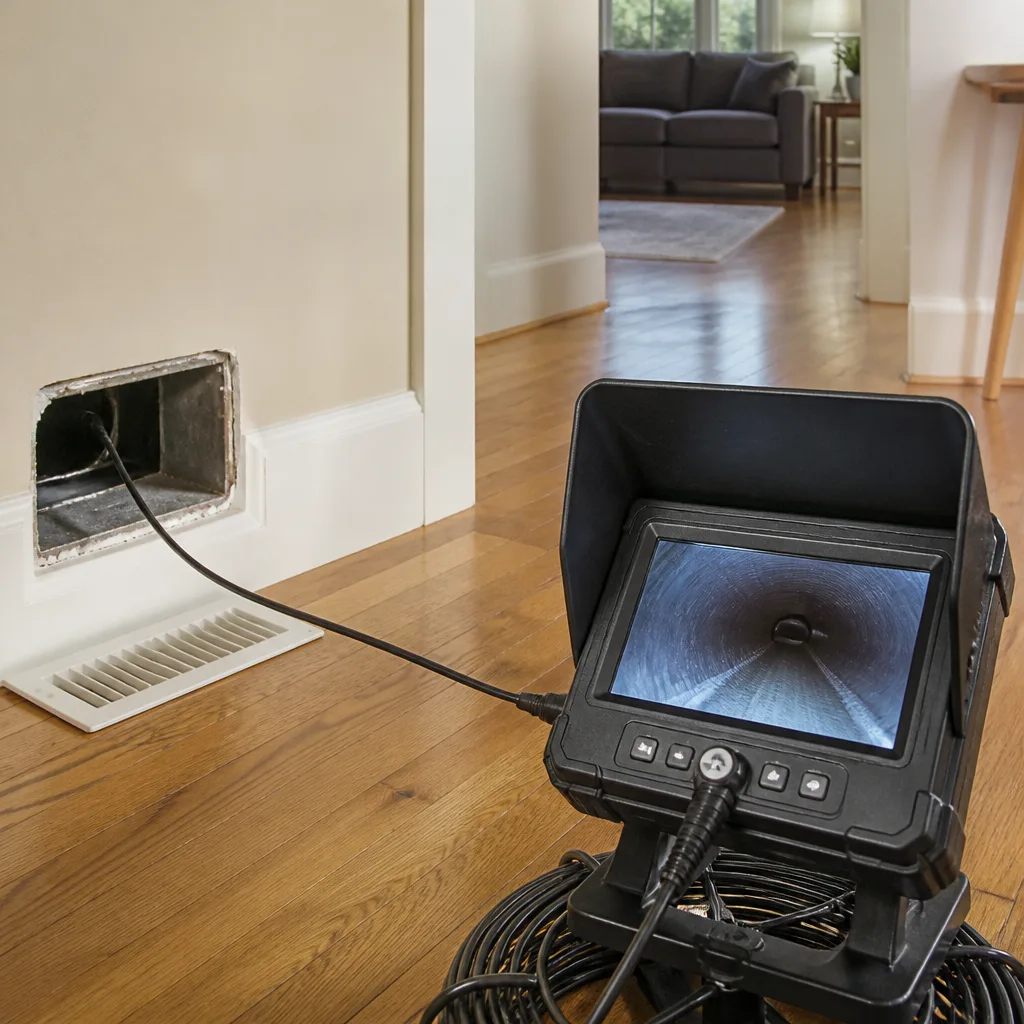 Camera inspection
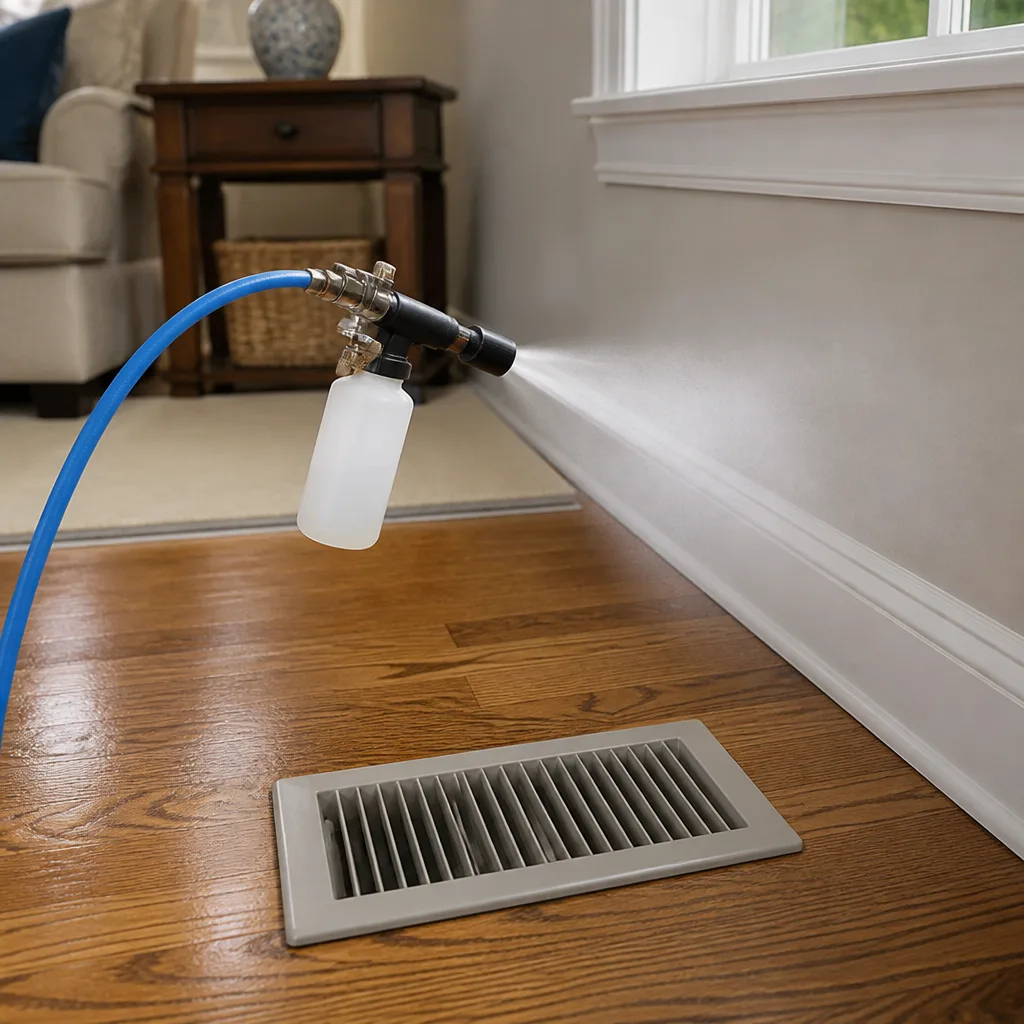 Sanitizing & deodorizing
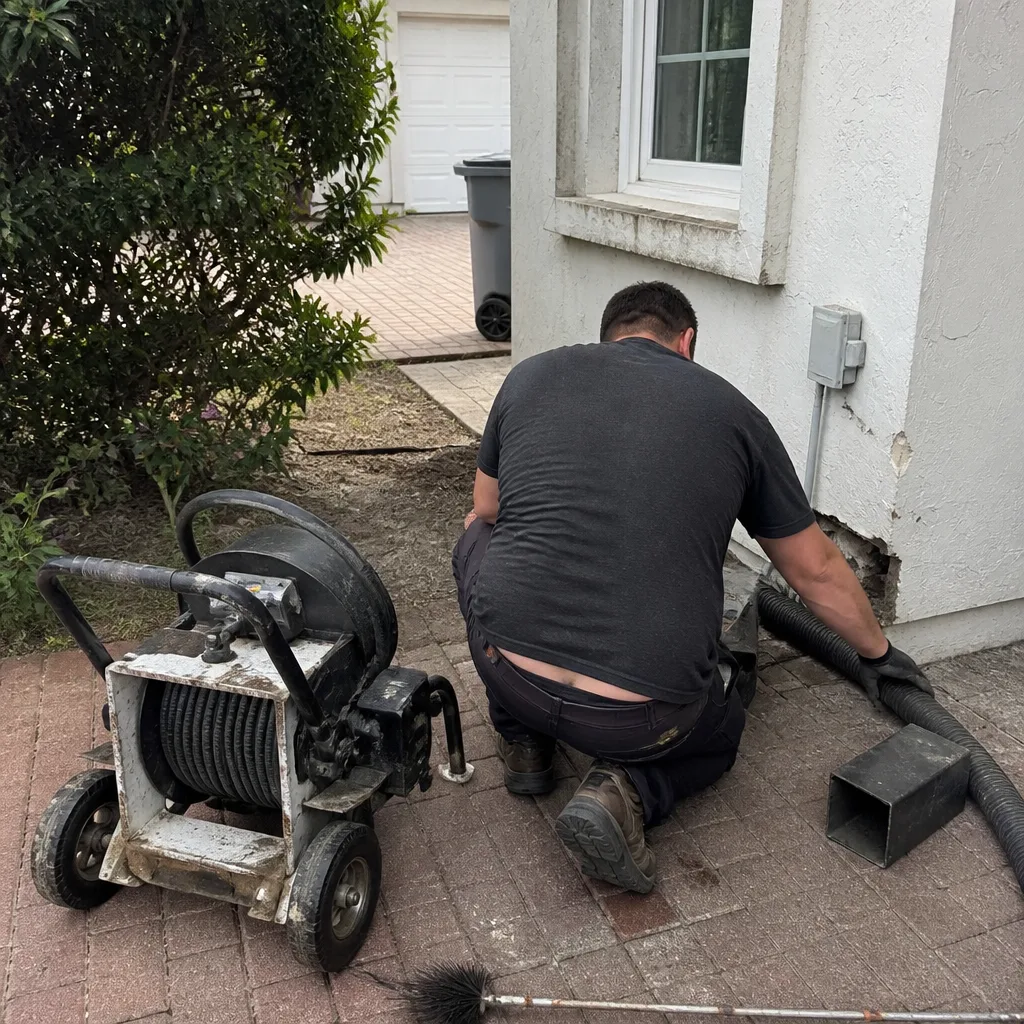
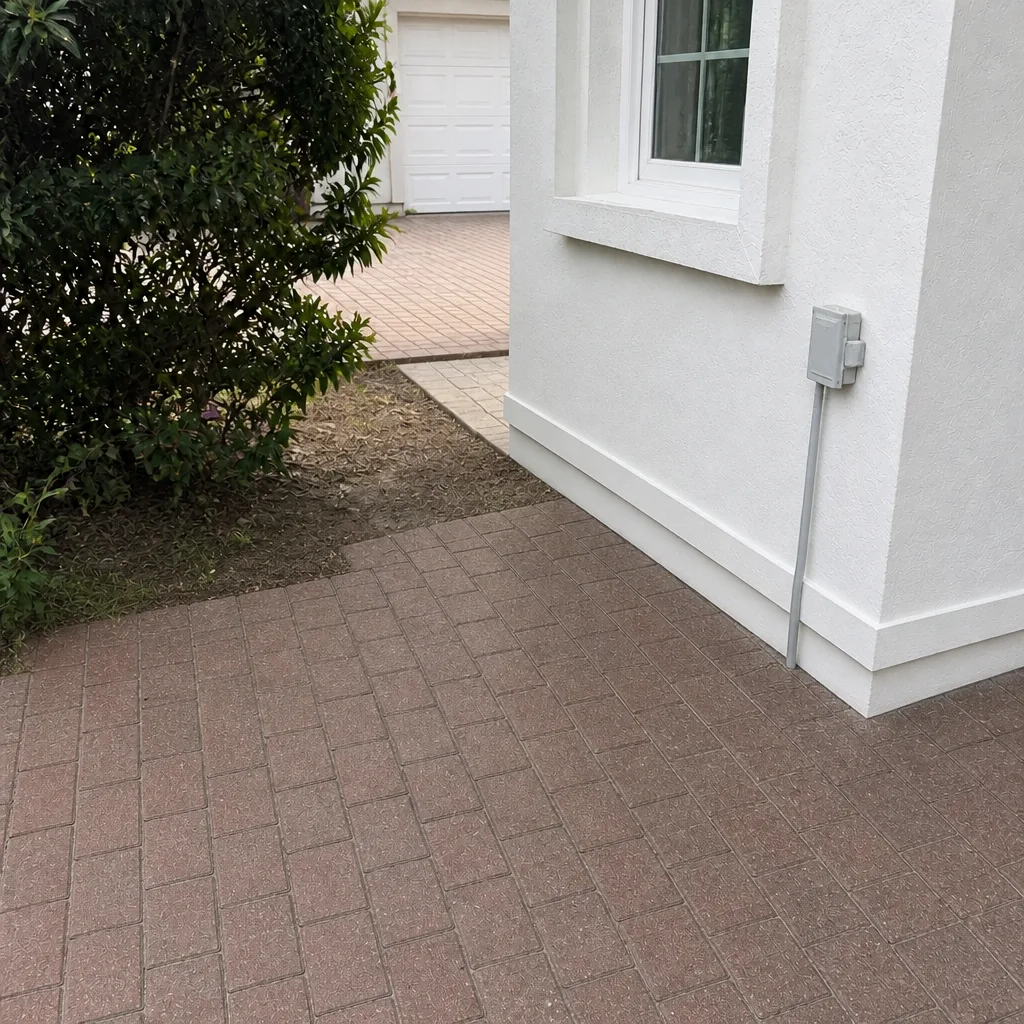
Whole-system duct and dryer vent check with before-and-after photos - you see exactly what came out of your vents
That "$99 whole-house special" is a bait ad - the real number appears once they are in your hallway, or the "clean" is a shop-vac at the register. We photograph the inside of your ducts before and after instead.
Air Duct Cleaning Warning Signs: A San Clemente Homeowner’s Reference Guide
Most San Clemente homeowners wait until they see dust puffing from a supply vent before they think about their ductwork. By then, the problem has usually been building for months or years. The truth is that the classic warning signs, the ones repeated on every checklist, are often the last to appear. In San Clemente’s mild coastal climate, the way we run our HVAC systems creates a different pattern of symptoms: musty odors at startup, uneven cooling between rooms, and filters that load faster than they should. This guide walks through those signs and the ones most guides miss, so you can tell the difference between a duct problem and ordinary household dust.
Quick Answer
The most reliable signs that your air ducts need cleaning are a musty or stale smell when the system first kicks on, visible dust accumulating quickly around vents, noticeably uneven airflow between rooms, and a heating or cooling bill that has crept up without a change in your habits. In San Clemente, the first-run smell and airflow asymmetry are often the earliest indicators, because coastal humidity and older construction amplify what would be a faint signal elsewhere. Any one of these signs alone is worth investigating; two or more together is a strong case for a professional inspection.
Styles & brands we work with
- Whole-home duct cleaning
- Dryer vent cleaning
- Camera inspection
- Sanitizing & deodorizing
Table of Contents
- The First-Run Smell: What Different Odors Actually Mean
- Visible Dust: When It’s Your Ducts and When It’s Just Life
- Airflow Asymmetry: Room-to-Room Imbalance in San Clemente Homes
- Filter Loading: The Overlooked Early Warning
- Energy Bill Patterns: The Signature of Restricted Airflow
- Vent Cover Corrosion vs. Duct Liner Degradation
- Post-Renovation Warning Signs
- Common Mistakes to Avoid
- When to Call a Professional
The First-Run Smell: What Different Odors Actually Mean
The most underused diagnostic tool in any San Clemente home is the first few seconds after the blower turns on. When the system starts, whatever has settled inside the ductwork gets pushed into the living space before the air has a chance to mix and dilute. That first-run smell is a snapshot of what lives inside your ducts. Learning to read it is easier than most people expect.
We break startup odors into three categories:
- Dusty or stale smell, like an old attic. This is the most common indicator of accumulated debris: dead skin cells, pet dander, compacted dust, and breakdown of the duct liner itself. It is rarely dangerous, but it means the system is circulating particulate into your air every time it cycles. It also usually gets worse as the season changes and the system runs more.
- Musty or earthy smell, like a damp towel left in a hamper. This points to moisture and biological growth. In San Clemente, where humidity in crawlspaces and attics is often higher than inland, condensation inside the duct system is a real issue. The smell may fade after 30 seconds of runtime, which makes it easy to dismiss. Do not dismiss it. Musty startup odor is one of the strongest signals that you have microbial activity somewhere in the system, and it will not resolve on its own.
- Oily, acrid, or burnt smell, especially at the supply vents. This is a mechanical signal, not a contamination signal. It can point to a failing blower motor, overheating wiring, or a component that is running hotter than it should. This one is not about duct cleaning. It needs an HVAC technician before the system is run again.
Here is the process we walk San Clemente homeowners through when they describe a first-run smell:
- Stand near a supply vent when the system turns on. Do not stand in the room and wait. Put your face near the vent for the first 10 seconds.
- Note the character of the smell, not just whether a smell exists. Dusty, musty, and mechanical are three different problems.
- Run the system for 10 minutes. If the smell disappears completely, the source is inside the ductwork or at the coil. If it persists or intensifies, you are dealing with a component issue or a return-air problem.
- Repeat the test at a different vent, ideally in a different part of the house. A smell at only one vent points to a localized issue. A smell at every vent means the whole system is involved.
A professional duct inspection with camera equipment can confirm what the smell suggests. That inspection, not a guess, is what tells you whether the fix is a thorough air duct cleaning or something deeper, like liner replacement.
Visible Dust: When It’s Your Ducts and When It’s Just Life
Visible dust at the vents is the warning sign everyone knows, and it is also the one most often misinterpreted. Every house has dust. Some of that dust film on furniture and window sills comes from open doors, pets, skin cells, and fabric fibers. It does not all come from the ducts, and cleaning the ducts will not make a house dust-free. What changes is the pattern and the speed.
Here is what we tell San Clemente homeowners to look for:
- Dust accumulating within 48 to 72 hours after a full cleaning. If you wipe a shelf and it is visibly dusty again in two or three days, the system is actively distributing particulate. A home with clean ducts will still get dusty, but on a weekly or biweekly schedule, not a daily one.
- Dust concentrated at the supply vents, not just near them. Look at the vent grille itself and the wall or ceiling immediately around it. A thin gray film that forms on the ceiling around a ceiling register is a strong indicator that dirty air is being pushed out and some of it is catching on the surface as it exits.
- Dark streaks or shadowing along the wall above a floor register. This is often called ghosting. It happens when particles are carried by the supply air and deposited on the surface as the air pressure drops. Ghosting is not normal household dust. It is delivered by the system.
- Dust that reappears after a filter change and a professional blower compartment cleaning. If the filter is new and the cabinet is clean, the dust has to be coming from inside the ducts.
The key distinction is speed. A house that needs weekly dusting is a house with a dust source, and the duct system is usually that source. A house that needs dusting every three weeks is normal. If you are not sure which category you are in, close the doors to one room for 48 hours with the HVAC running, then check a white shelf or sill inside that room. Fresh accumulation in a closed, unused space is almost always coming from the system.
Airflow Asymmetry: Room-to-Room Imbalance in San Clemente Homes
Uneven room temperatures are one of the most common complaints we hear from San Clemente homeowners, and it is also one of the most commonly misdiagnosed. The reflex is to blame the thermostat or the equipment. Often, the equipment is fine and the duct system is the problem.
San Clemente’s housing stock makes this worse. Many homes in the area were built before modern duct design standards, with long flex runs, undersized returns, and systems that were never balanced to begin with. Add to that the natural variation between a sun-exposed, ocean-facing room and a shaded canyon-facing room, and a thermal imbalance can feel like a design flaw when it is actually a buildup problem.
Here is how to tell whether your imbalance is a duct issue or just a sun issue:
- Check the register air velocity, not just the temperature. Hold a tissue or a small piece of paper near each supply vent while the system is running. Some rooms will have strong, steady airflow. Others will have weak airflow or barely any. Weak airflow at the vent, before the air ever reaches the room, points to a restriction in the duct run: a crushed flex section, a disconnected joint, a damper stuck closed, or years of debris narrowing the passage.
- Compare the same room in the morning and the afternoon. If a room is hot at 3 p.m. and fine at 9 a.m., and the airflow is strong at both times, the problem is the heat load from the sun, not the system. If the room is warm at all hours and the airflow is weak, it is a duct or damper issue.
- Look at the return path. Many San Clemente homes have one central return, which means rooms with closed doors receive almost no supply airflow because the return air path is blocked. This is a system design issue, but a partial fix may involve cleaning the returns, ensuring existing transfer grilles are clear, and confirming no return duct has collapsed in an attic or crawlspace.
- Check the register temperatures. In cooling mode, supply air should be roughly 15 to 20 degrees cooler than the return air at the thermostat. A room that receives air at the right temperature but too little volume needs a duct correction. A room that receives air at the wrong temperature points to a thermostat, zone, or equipment issue.
Asymmetry that has developed slowly over years is more likely to be buildup than a design flaw. As ducts narrow with accumulated debris, the room at the end of the longest run gets less air every year, and the problem compounds. A professional pressure and airflow test can separate a mechanical restriction from a design limitation in under an hour.
Filter Loading: The Overlooked Early Warning
Before the dust shows up at the vents, before the smell becomes obvious, and before the energy bill ticks up, there is usually a quieter signal: the filter. The filter is the first line of defense, and how quickly it loads tells you how much particulate is moving through the system. A filter that loads faster than it used to is one of the earliest warning signs that the duct system itself is dirty.
Here is the reasoning. In a clean system, the filter catches what the return air pulls in from the living space: pet hair, skin cells, and fibers. In a dirty system, the filter also catches what the blower is pulling out of the ducts themselves: compacted dust, broken liner material, and construction debris from decades ago. The filter loads faster because it is doing two jobs: filtering the house air and filtering the duct air.
What to watch for in San Clemente:
- Filter visibly loaded in 30 days when it used to last 60 or 90. This does not mean the filter is working well. It means the system is processing more particulate than it should. The filter is doing its job, but it is also telling you the ducts are adding to the load.
- Filter showing unexpected colors. Gray dust is typical. Wood-colored fibers may point to degraded liner. White powder after a remodel points to drywall dust. Each of these is a clue about what is in the ducts.
- Filter loading unevenly on the return grille side. If one corner or one edge of the filter darkens much faster than the rest, the return plenum may be pulling from a specific area, often near a crawlspace or attic opening.
- Odor coming from the filter itself. A filter should smell like nothing, or slightly like a freshly opened package. A musty or sour smell on a filter that has only been in place for a month is a moisture and biological growth signal in the return path.
One San Clemente-specific note: filters in coastal homes often load faster than inland homes simply because the air carries more particulate, and because humidity causes some types of filter media to swell slightly. Do not panic at a fast filter alone. But a filter that loads in 30 days, and a musty startup odor, and a room that never cools properly? That combination is not a coincidence. It is a system-level contamination signal. The fix starts with professional duct cleaning, and a good inspection will tell you whether the filter itself is the right size, type, and seal for your system. Monarch uses professional-grade filtration equipment, including Abatement Technologies units, on every job we do, which means the air moving through your home during cleaning is filtered, not just stirred up.
Energy Bill Patterns: The Signature of Restricted Airflow
Energy bill analysis is where many homeowners give up, because the bill is noisy. It varies with the weather, with occupancy, and with rate changes. But underneath that noise, there is a pattern that points to restricted airflow, and it is different from the pattern that points to failing equipment. The distinction comes from how the system behaves, not just how much it costs to run.
Here is the airflow signature: a gradual increase in cooling usage that is not explained by a hotter summer. The system runs longer to reach the same setpoint, because less conditioned air is getting through the ducts. The outdoor unit is working as hard as it should, but the duct restriction is strangling the system. The bill rises, the home is no more comfortable, and the equipment runs more hours per season, which also shortens its life.
Contrast that with the equipment-decline signature. A compressor or coil that is losing efficiency will show a sharper, more sudden bill increase, often with a change in the sound of the outdoor unit or a drop in the temperature of the supply air. A duct restriction builds slowly over years and feels like a slow, steady squeeze.
Practical steps for a San Clemente homeowner:
- Gather 12 to 24 months of bills. Most utilities provide downloadable history, and SCE and SDG&E both make this straightforward.
- Compare cooling months to prior cooling months, and heating months to prior heating months. Do not compare a July bill to a February bill.
- If usage is up 15 percent or more in a comparable season, with no change in equipment, occupancy, or habits, dig deeper.
- Pair the bill pattern with the other signs in this guide. An energy increase by itself is ambiguous. An energy increase plus a musty startup odor plus fast filter loading is a clear duct problem.
One useful cross-check: measure the temperature at the supply register and at the return grille. If the temperature split is normal (roughly 15 to 20 degrees in cooling), but the house is still struggling to reach setpoint, the system is producing cold air it cannot deliver. That is a duct problem, not an equipment problem. Our team at Monarch Air Duct Cleaning sees this exact pattern in San Clemente homes where the ducts have never been cleaned since the house was built, and the restriction is simply years of accumulated material narrowing the airway.
Vent Cover Corrosion vs. Duct Liner Degradation
This is a section unique to coastal and near-coastal environments, and it matters for San Clemente specifically because of the humidity patterns in the area. Corrosion on a vent cover is cosmetic. Degradation inside the duct liner is structural. Confusing the two means either ignoring a real problem or paying for a deep fix that is not actually what the symptom shows.
Vent cover corrosion is what it sounds like: rust, pitting, or discoloration on the metal grille itself. It happens when moisture and air meet on the exposed surface. In San Clemente, where humidity levels are consistently higher than inland, vent covers in bathrooms, kitchens, and unconditioned rooms can corrode over years even in a well-maintained system. The metal oxidizes. It looks bad. It does not mean the ducts themselves are contaminated. In most cases, the fix is replacing the grille, not cleaning the ducts.
Duct liner degradation is different. Many duct systems, especially older ones in San Clemente’s pre-1990 housing stock, are lined with fiberglass or fiberboard on the inside. That liner was installed for thermal and acoustic reasons, but over decades of moisture exposure, it breaks down. The material delaminates from the duct wall, fibers release into the airstream, and the rough, damaged surface becomes a catch-point for moisture and biological growth. The warning signs are:
- Fiberglass-like fibers visible on the outside of the supply vents or caught in the filter
- Gray or brown speckling in the dust around registers
- A persistent musty smell that cleaning does not resolve
- Visible liner material hanging inside the duct when you remove a register and look with a flashlight
This is the one sign where a professional inspection is mandatory before any cleaning takes place. If the liner has degraded, the correct fix is liner replacement, or in some cases a full duct repair, not just a cleaning. Cleaning a failed liner can make the problem worse by releasing more material into the air. At Monarch, we carry Abatement Technologies air filtration equipment specifically because this kind of situation calls for contamination-control standards, not just a brush and a vacuum. The toolset exists for remediation work, and we apply it to residential duct inspections in San Clemente so we can tell you whether the issue is surface corrosion or something deeper, before any work begins.
Post-Renovation Warning Signs
San Clemente has a lot of older homes, and older homes get remodeled. The renovation cycle in this city, kitchens, bathrooms, room additions, and full re-pipes, generates a specific kind of debris that ends up in duct systems. Drywall dust, insulation fibers, sawdust, and demolition particles get pulled into the return air stream during construction, especially if the system was ever run while work was underway. Even when contractors cover the registers, the fine particulate finds its way in through gaps, through the return, and through the filter if the filter was not changed during the project.
Post-renovation duct contamination shows up in predictable ways:
- Drywall dust settling on every horizontal surface for weeks after the project ends. Drywall dust is extremely fine and extremely mobile. Once it is inside the ducts, the HVAC system acts as a distribution network, blowing it back into the living space on every cycle. If you wipe a shelf and it is white-dusted again within days, the ducts are the reservoir.
- New, unexplained odors after the remodel. Paint, adhesives, and new cabinetry off-gas for a while, but those smells should fade. If a chemical or construction smell persists only when the system runs, the source is inside the ducts, not in the room.
- Visible debris at the registers. Larger particles, insulation fibers, small wood chips, and pieces of drywall tape can be seen caught on the register grille or lying on the floor directly below a supply vent. This is a sign of significant contamination, not a minor amount of dust.
- Filter clogging within days after the remodel. If a new filter is substantially loaded in two weeks, the system is processing construction debris. A filter is not designed for that load.
Our recommendation to San Clemente homeowners is to schedule a duct inspection and cleaning after any remodel that involved drywall work, flooring removal, attic work, or crawlspace work, regardless of whether the contractor covered the registers. It costs far less to clean the ducts than to replace a prematurely failed blower motor, and it eliminates the ongoing dust problem. It is also the moment we most often find damage that needs a San Clemente duct repair: a crushed flex run in an attic, a disconnected boot, or a return duct that has come apart at the joint. The cleaning visit becomes the discovery visit, and that discovery saves money later.
Common Mistakes to Avoid
- Assuming the dust at the vents is the only sign that matters. By the time dust is visible at the register, the buildup inside the ducts is already substantial. The earlier signs, the first-run smell and the fast filter loading, are quieter but more actionable.
- Blaming the thermostat for every room that is too warm. A thermostat can only read the temperature where it is. If a San Clemente bedroom on the sunny side of the house is always 5 degrees warmer and the airflow at the register is weak, the problem is in the duct run, not the thermostat.
- Confusing vent cover corrosion with duct liner failure. Surface rust on a grille is cosmetic and easily replaced. Liner degradation inside the duct is a serious contamination and airflow issue. They look related and are not.
- Replacing the filter and calling it done. A new filter catches future dust. It does not remove the dust already caked inside the ducts. If the ducts are dirty, the new filter simply loads faster.
- Running the HVAC during a remodel to keep the house comfortable. This pulls construction dust into the entire duct system, and a standard filter is not designed to stop that kind of load. Cover the registers, and change the filter multiple times during the project if the system must run.
- Waiting until the smell becomes constant. A musty smell that only appears on startup and fades after 30 seconds is still a signal. Waiting until it is present all the time means the biological growth has expanded from a localized colony to a system-wide condition.
- Assuming a clean-looking register area means clean ducts. The register is where the air exits. The debris may be trapped 20 feet back in the run, in the return, or at the coil. A visual check at the vent alone cannot rule out duct contamination.
When to Call a Professional
Any one of the warning signs in this guide justifies an inspection, but there is a threshold where action stops being optional and starts being necessary. If you have a musty or dusty odor on startup, visible dust accumulation within days, uneven airflow between rooms, and a filter that loads noticeably faster than it used to, the system is telling you something in plain terms. The ducts are contaminated, and the problem is not going to reverse on its own.
A professional inspection should also be scheduled after any remodel that produced drywall dust, after water intrusion anywhere in the attic or crawlspace, and before you invest in new HVAC equipment. No one wants to install a new system and immediately push its conditioned air through dirty ducts. At Monarch Air Duct Cleaning, we bring the same professional-grade equipment used in remediation work, Rotobrush rotary-brush systems paired with Nikro HEPA-rated negative-air vacuums, to every residential job in San Clemente. The inspection comes first, the recommendation follows, and the price is always set by written estimate before work begins. Call (866) 282-7304. We answer 24/7. Fast dispatch from 7am to 7pm, Sunday through Friday.
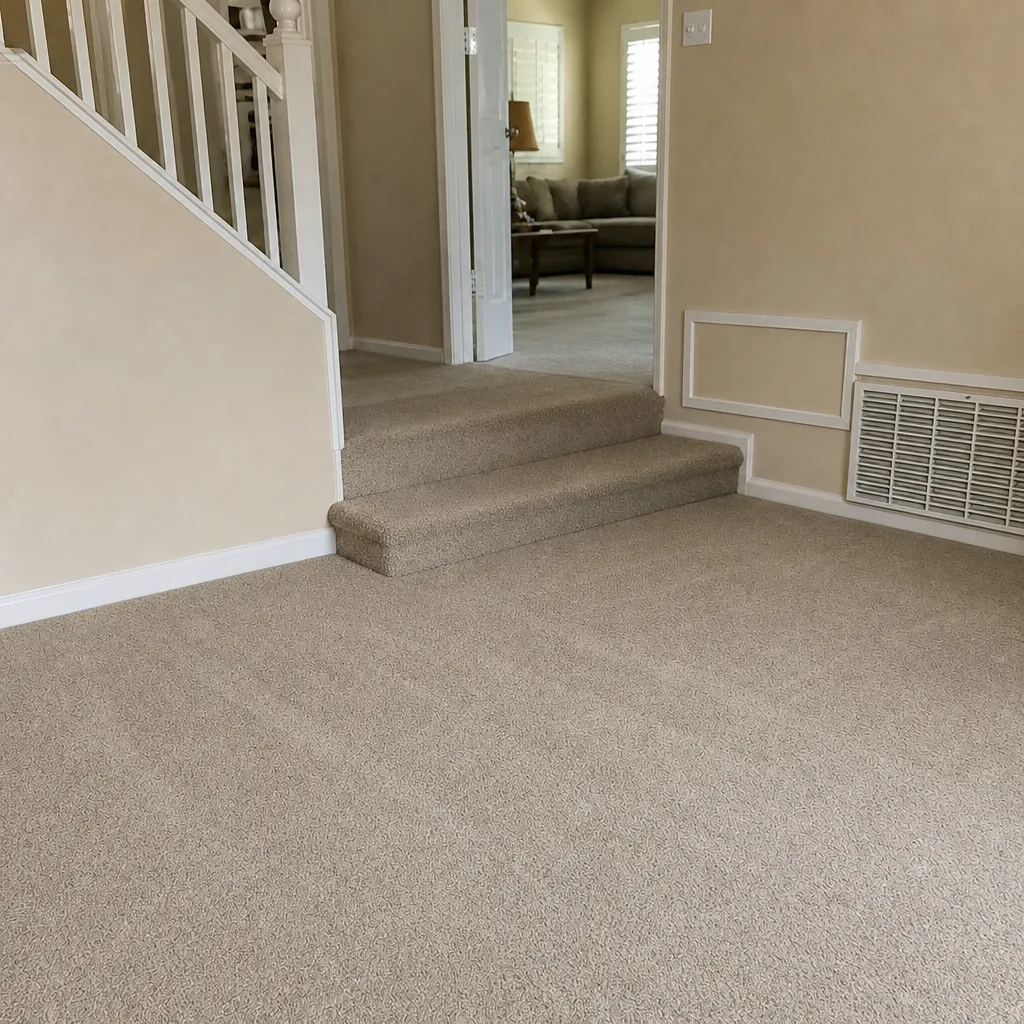
See the difference
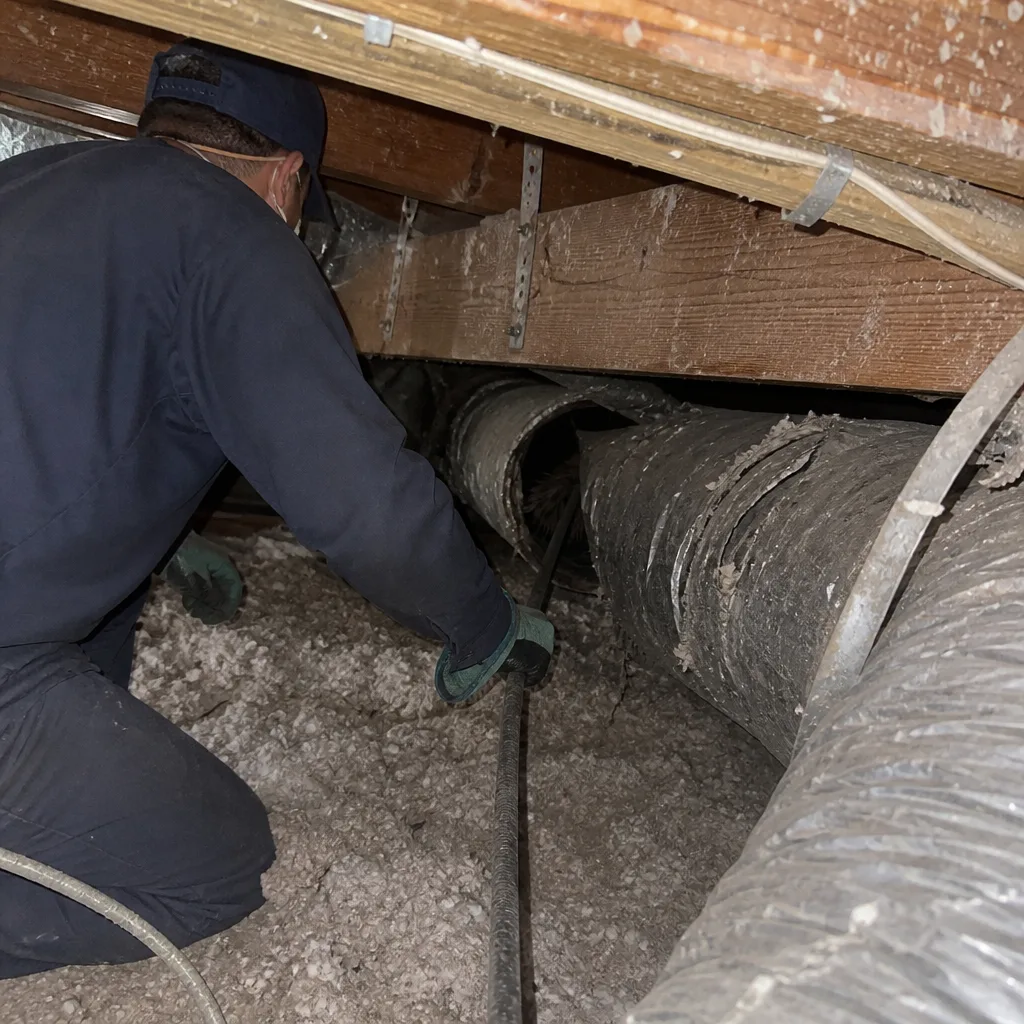 Before
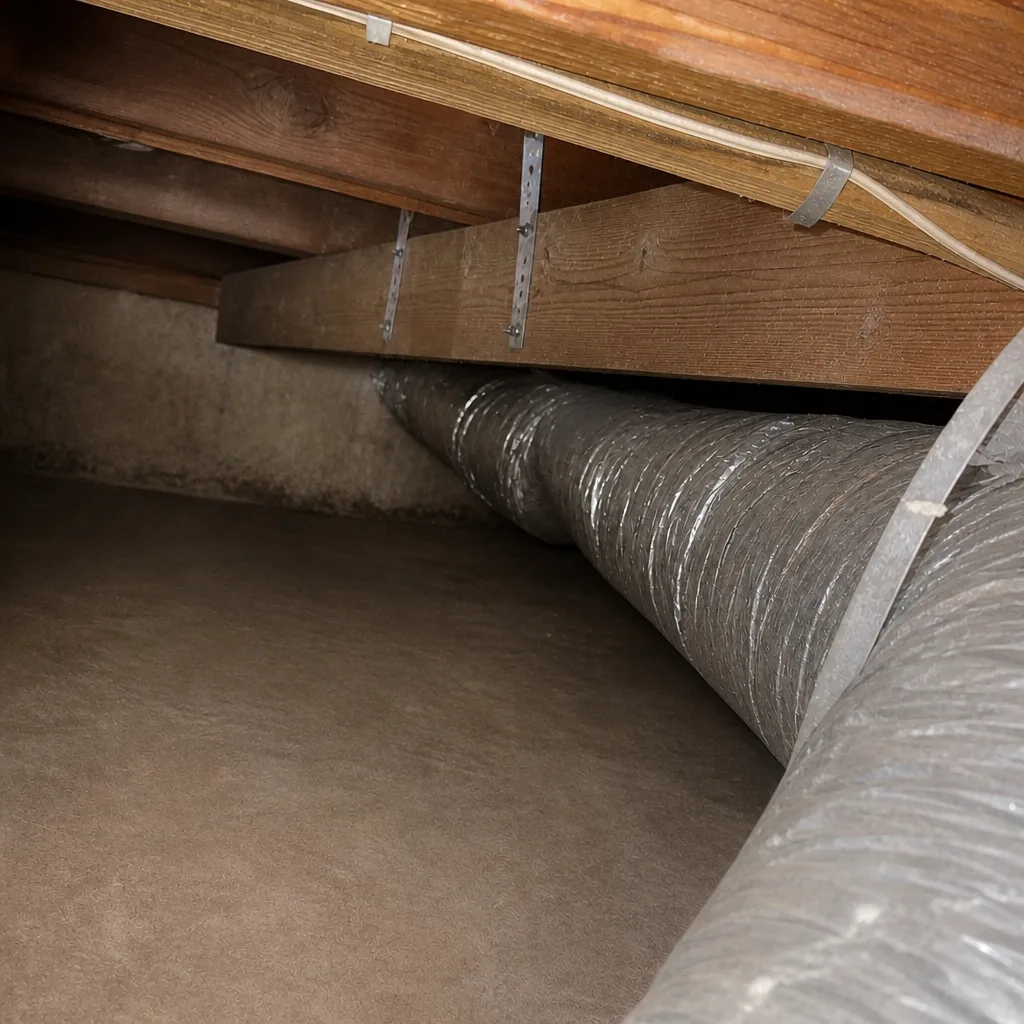 After
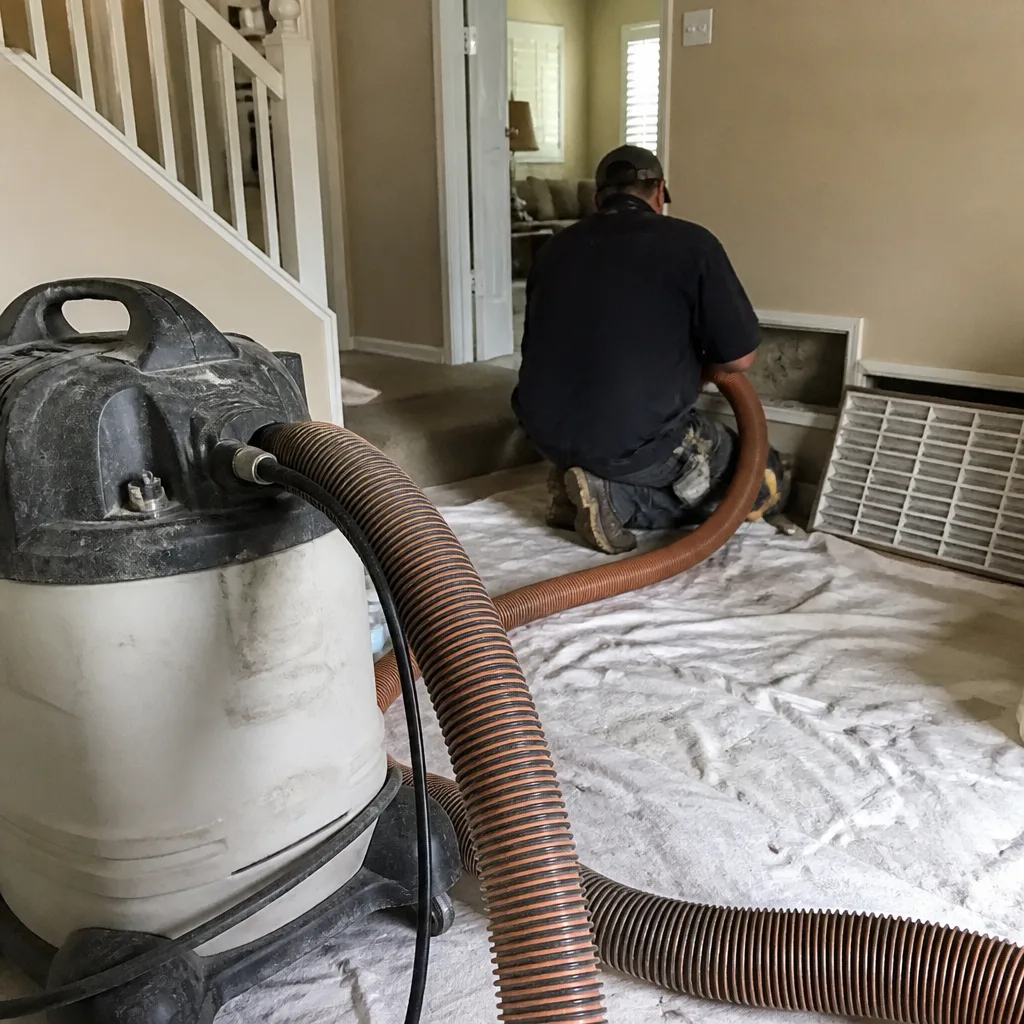 Before
 After
 Before
 After
Frequently Asked Questions
The speed of the dust is the tell. If you fully dust a room and it is visibly coated again within two or three days, the system is distributing particulate. If it takes a week or two to return, that is ordinary household dust. Pair the dust with a musty startup odor or a fast-loading filter, and the ducts are the source. A visual inspection with a camera removes the guesswork.
That smell is what has settled inside the ductwork being pushed into the living space the moment the blower starts. In San Clemente, where crawlspace and attic humidity is often high, the inside of a duct system can support biological growth even in a generally clean house. The musty smell that fades after a minute is still a contamination signal, not a harmless quirk.
Yes. Restricted airflow from years of debris buildup makes the system run longer to reach the same temperature, and that runtime shows up on the bill. The signature is a gradual increase over comparable seasons, not a sudden spike. A sudden spike is more likely a mechanical failure. A slow, steady climb is often a duct problem.
Not usually. Rust on the vent cover is surface corrosion on the exposed metal, often from bathroom or kitchen humidity. The duct liner inside the system is a separate question. Liner degradation shows up as fibers at the vents, persistent musty odor, or visible material on the inside of the duct. If you are seeing rust and wondering, a camera inspection settles it in a few minutes.
Yes. Drywall dust and insulation fibers are fine enough to find their way through gaps in coverage and through the return path, especially if the system ran at all during the project. A post-renovation cleaning is the cheapest way to remove construction debris from the duct system, and it is often when hidden damage like a crushed flex run or a disconnected joint is first discovered in San Clemente homes.
Air duct cleaning addresses the HVAC distribution system: the supply and return ducts, registers, plenums, and often the coil. Dryer vent cleaning addresses the dedicated exhaust duct that carries hot, moist air from the dryer to the outside. Both matter, but they are separate systems, and a clogged dryer vent is primarily a fire-safety issue, not an air quality issue.
The Bottom Line
The warning signs that matter in San Clemente homes are not always the dramatic ones. Visible dust at the vents is the last signal, not the first. The earlier signs, a musty smell at startup, a filter that loads faster than it used to, a room that never quite cools, and an energy bill that keeps climbing in comparable seasons, are quieter and far more actionable. Reading them correctly means the difference between a simple cleaning and a system-wide contamination problem that has been left to build for years. If you are seeing any combination of these signs, the next step is an inspection with equipment that can see inside the ducts, not a guess from the register. Better air starts inside the walls, and the first step is knowing what is in there.
Written by the team at Monarch Air Duct Cleaning, serving San Clemente since 2012.