
Last updated November 4, 2026
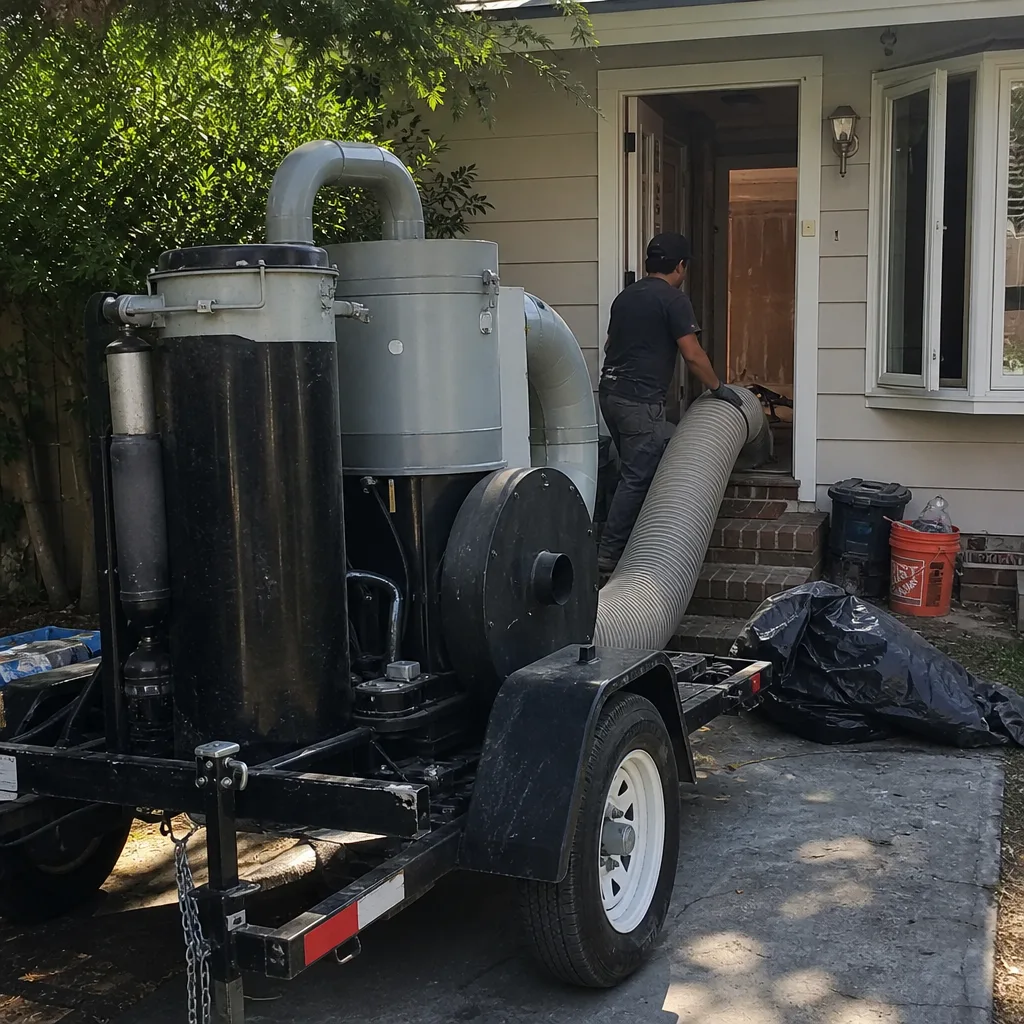
 Whole-home duct cleaning
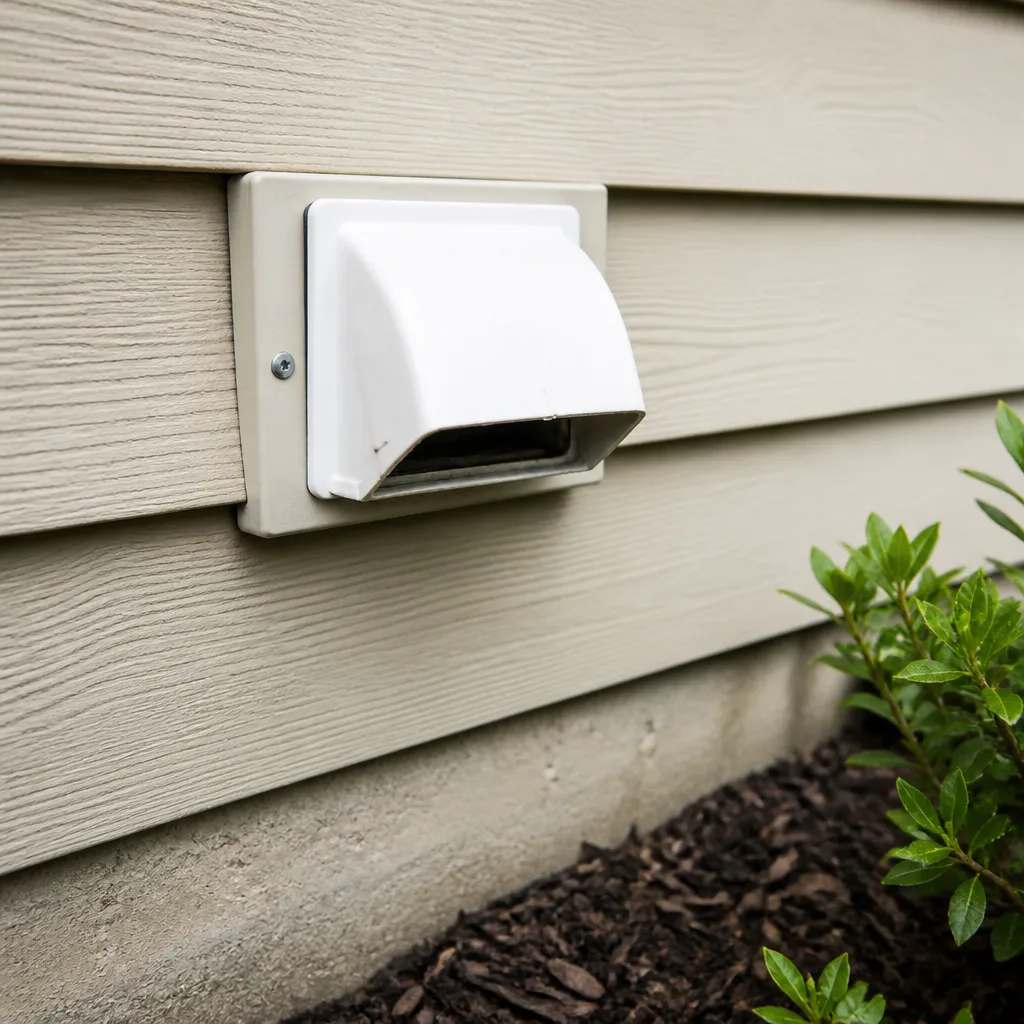 Dryer vent cleaning
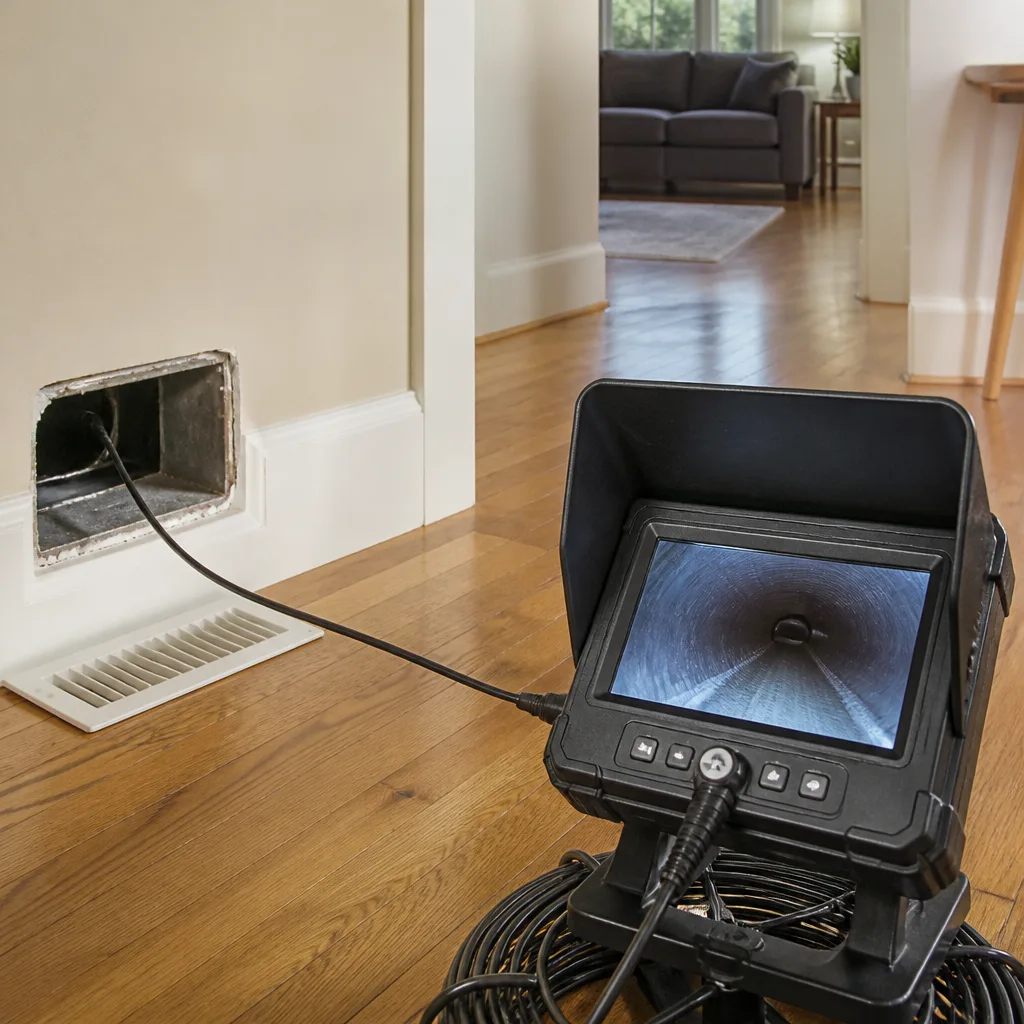 Camera inspection
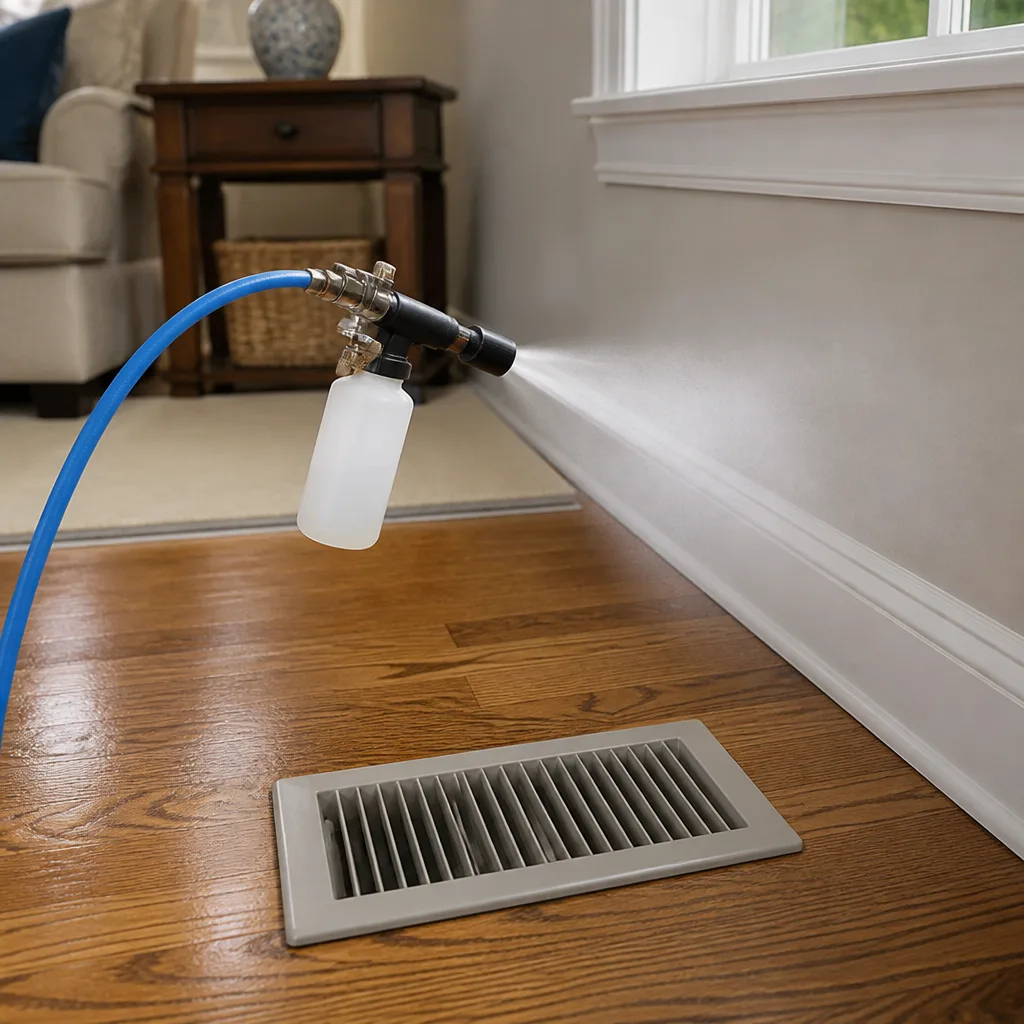 Sanitizing & deodorizing
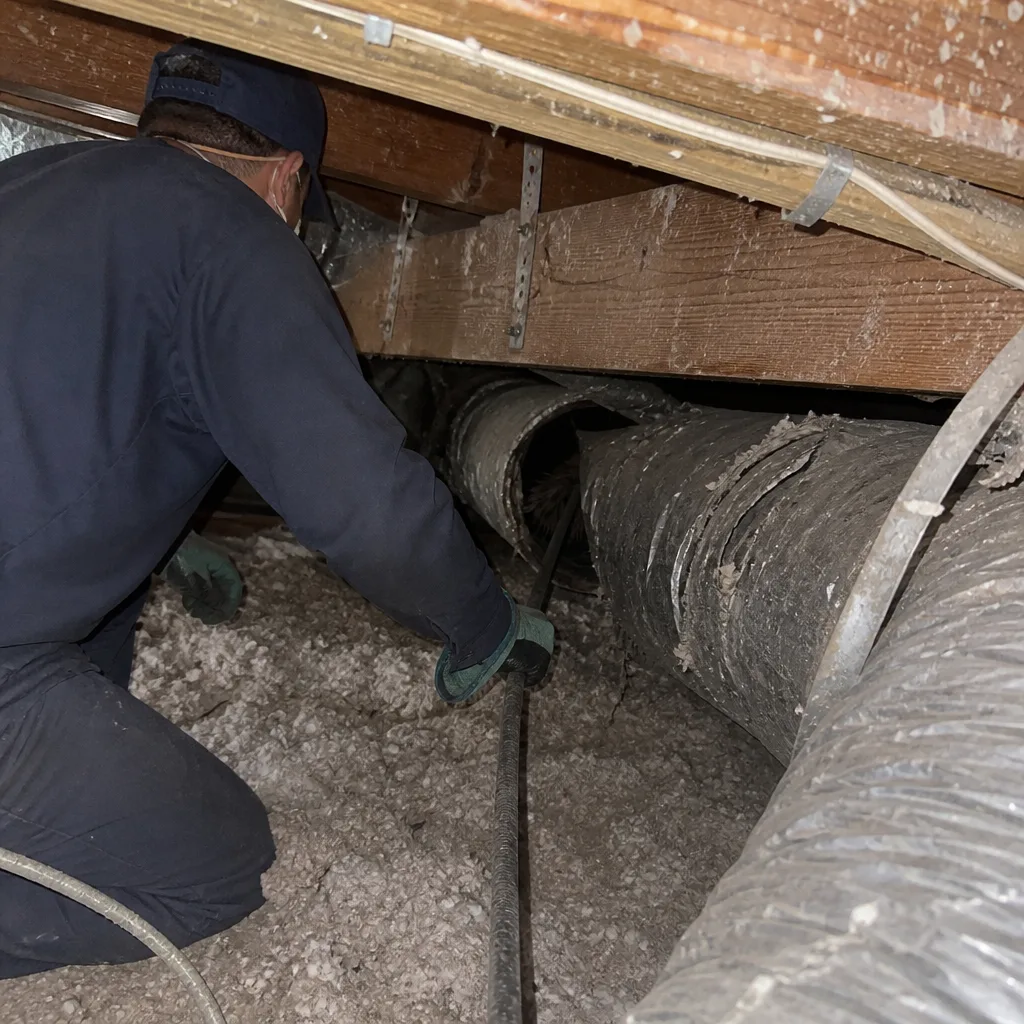
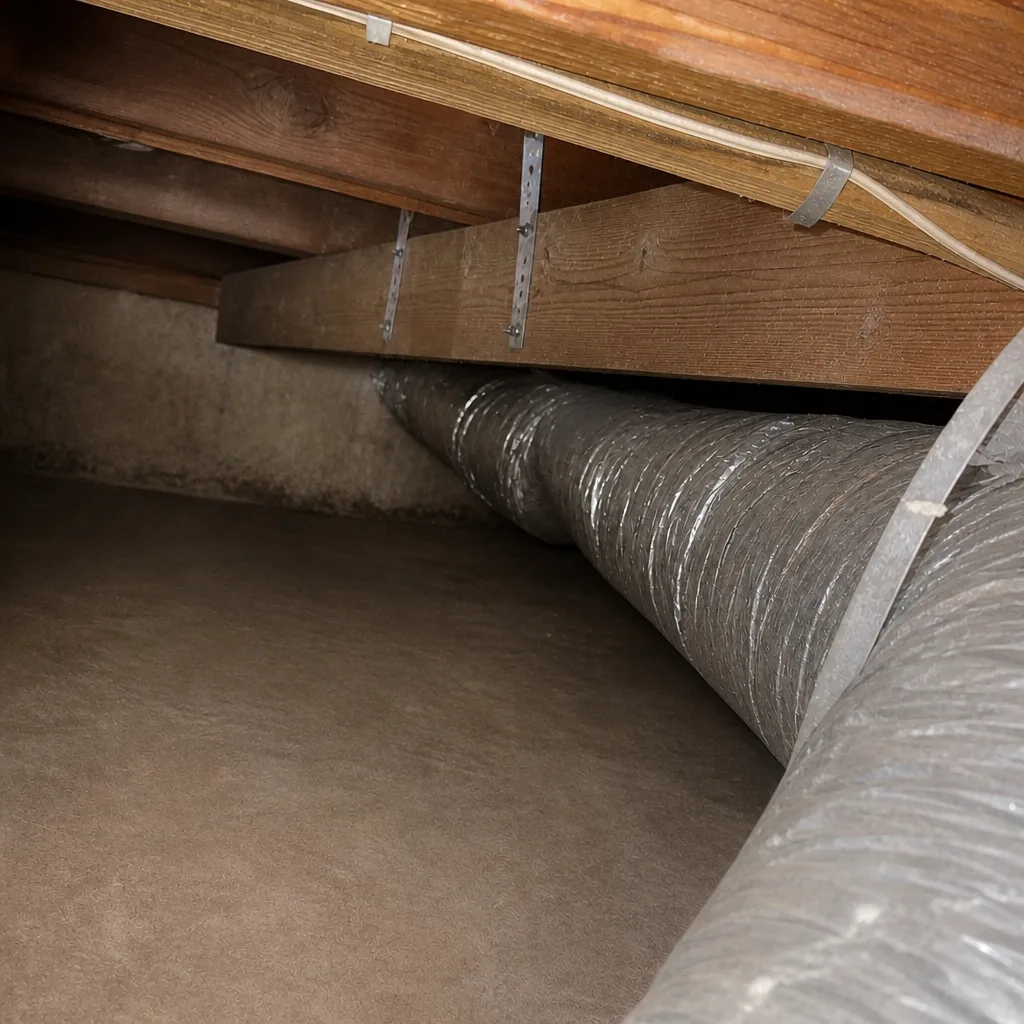
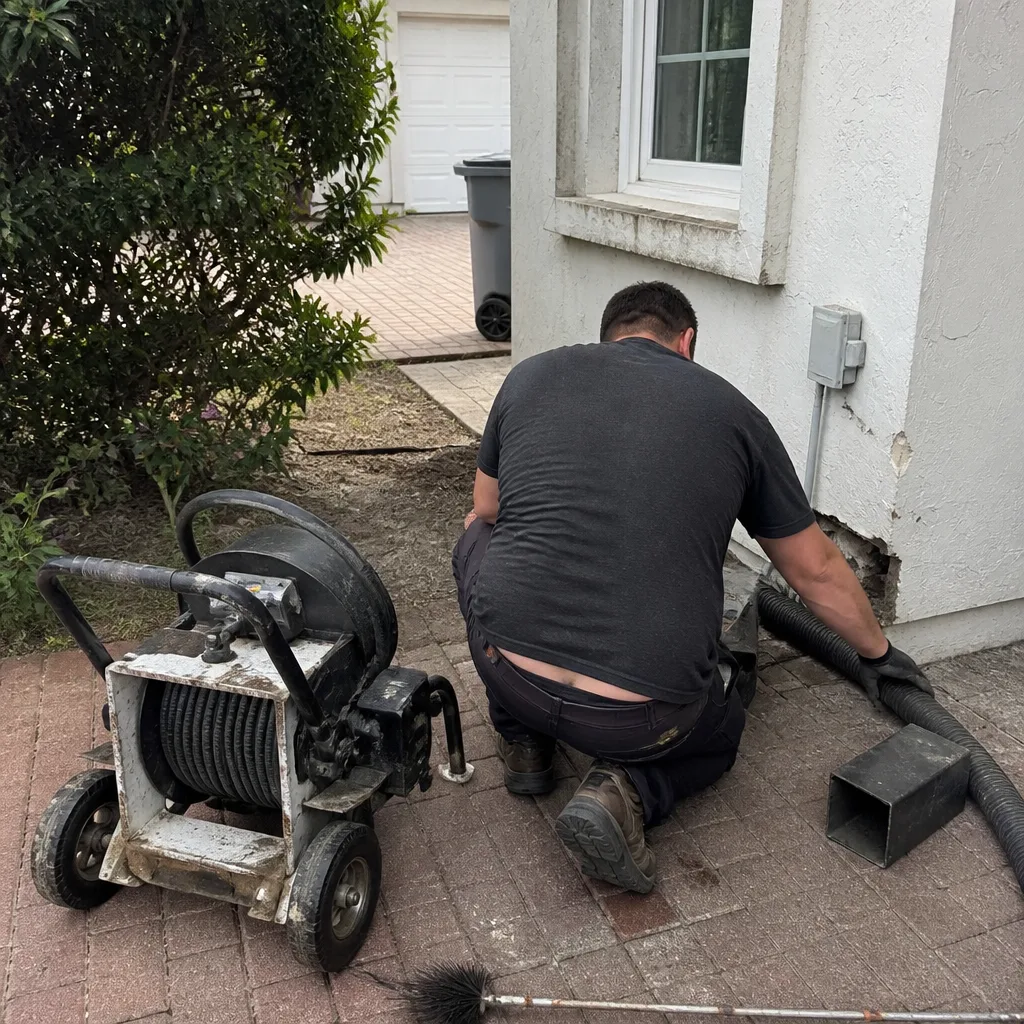
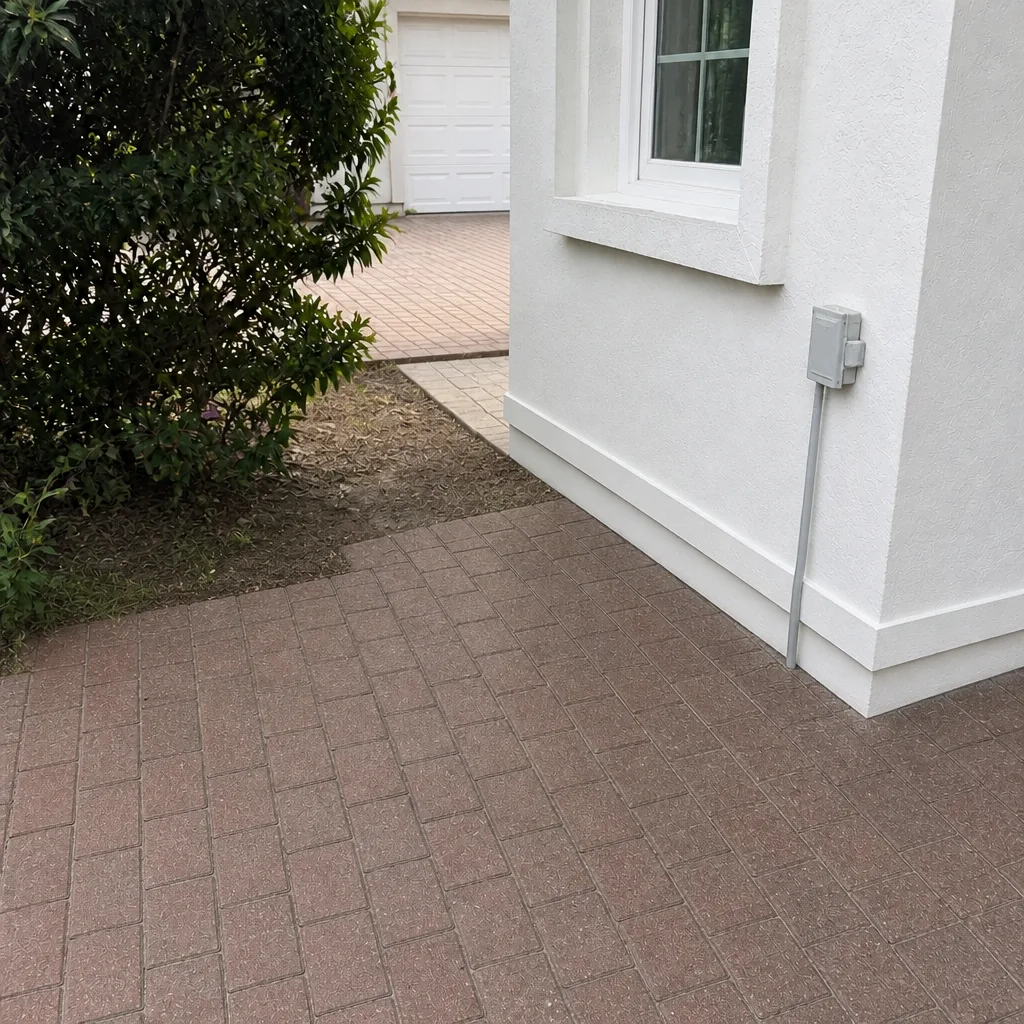
Whole-system duct and dryer vent check with before-and-after photos - you see exactly what came out of your vents
That "$99 whole-house special" is a bait ad - the real number appears once they are in your hallway, or the "clean" is a shop-vac at the register. We photograph the inside of your ducts before and after instead.
Air Duct Cleaning Permits, Codes & Inspections in San Clemente, CA: What You Need to Know
Most San Clemente homeowners assume air duct cleaning is purely a maintenance task, no different from carpet shampooing or window washing. That assumption holds true for routine cleaning, but it falls apart quickly once mold, water damage, or structural duct modifications enter the picture. California’s regulatory framework quietly draws a line between “cleaning” and “remediation,” and crossing that line changes what’s legally required of both the contractor and the homeowner. This guide maps out exactly where those lines sit, what Title 24 means for duct sealing upgrades, how Orange County inspections actually work, and what documentation you should demand before paying an invoice.
Quick Answer
Routine air duct cleaning in San Clemente requires no permit, no inspection, and no special license beyond a standard California contractor’s registration. However, if the work involves mold remediation, water damage restoration, duct sealing as an energy-retrofit measure, or modification of the mechanical system itself, permits and inspections may be triggered under California Title 24 and local Orange County mechanical codes. The safest approach is to know the distinction before the crew arrives.
Styles & brands we work with
- Whole-home duct cleaning
- Dryer vent cleaning
- Camera inspection
- Sanitizing & deodorizing
Table of Contents
- When Duct Cleaning Becomes Remediation Under California Law
- Title 24 Energy Code and Duct Sealing: The Hidden Permit Trigger
- How San Clemente and Orange County Mechanical Inspections Work
- Post-Remediation Clearance Testing: What It Is and When You Need It
- Landlord Obligations Under California Habitability Law
- Documentation That Protects You at Resale
- How to Vet a Duct Cleaning Contractor in San Clemente
When Duct Cleaning Becomes Remediation Under California Law
Under California Department of Public Health (CDPH) guidelines, the legal distinction between routine duct cleaning and mold remediation hinges on the amount of visible mold growth and the source of moisture that caused it. A light dusting of surface mold on a register doesn’t trigger remediation protocols. But if you have mold covering a significant area inside the ductwork, or if the mold growth stemmed from water intrusion, a flood, or a persistent leak, the job is no longer “cleaning” in the eyes of California regulators.
Here’s the threshold that matters for San Clemente homeowners:
- Routine cleaning: Dust, debris, and light microbial buildup removed with brushes and negative-air vacuums. No permit, no inspection, no clearance testing required.
- Remediation: Visible mold growth inside ducts, often accompanied by a moisture source. This falls under CDPH mold remediation guidance, which requires containment, proper disposal, and often post-remediation verification.
- Restoration: Water damage from a roof leak, plumbing failure, or flood event that soaked duct insulation or interior surfaces. Restoration work frequently triggers permit requirements for any structural or mechanical repair components.
The practical takeaway is simple: if you can see mold inside your ducts, or if you’ve had water damage in the last 12 months, call a contractor who understands the regulatory line. The team at Monarch Air Duct Cleaning fields calls regularly from San Clemente homeowners who were told one thing by a low-bid operator and discovered later that the work lacked proper documentation. We’ve learned that asking the right questions before the job starts is worth more than any post-job fix.
Title 24 Energy Code and Duct Sealing: The Hidden Permit Trigger
California’s Title 24 Building Energy Efficiency Standards don’t regulate duct cleaning itself. What they do regulate is any work that changes the thermal performance or air-sealing characteristics of your duct system. This is where San Clemente homeowners get caught off guard.
If a duct cleaning crew recommends duct sealing, replacement of damaged duct sections, or insulation upgrades, those modifications fall under Title 24 compliance requirements. Depending on the scope, you may need a mechanical permit from the City of San Clemente or Orange County. The energy code treats duct systems as part of the building envelope, and any modification that affects energy performance is a regulated activity.
Here’s what typically triggers a permit:
- Duct replacement exceeding a certain linear footage: Replacing a single damaged section may be considered maintenance, but a full duct system replacement almost always requires a permit.
- Adding insulation to ducts: Upgrading from uninsulated to insulated ducts changes the system’s thermal performance and triggers Title 24 review.
- Aeroseal or similar duct sealing treatments: These change system leakage rates and are considered energy retrofits under California code.
- Relocating registers or adding new supply lines: Any modification to system layout requires mechanical drawings and inspection.
The practical concern for homeowners is that a duct cleaning company can recommend these upgrades without ever mentioning the permit requirement. When that happens, the homeowner is left holding an unpermitted modification that surfaces during a home sale or insurance claim. At Monarch Air Duct Cleaning, we believe in telling homeowners upfront when a repair crosses into permit territory. Our structural duct repair work in San Clemente always includes a candid conversation about whether the City needs to be involved.
How San Clemente and Orange County Mechanical Inspections Work
San Clemente operates under the California Mechanical Code with amendments adopted by Orange County. When a permit is required for duct work, the inspection process follows a predictable sequence:
- Permit application: The contractor or homeowner submits mechanical plans to the City of San Clemente Building Division. For simple duct replacements, a basic scope-of-work description may suffice.
- Plan review: The City reviews the scope against current mechanical code and Title 24 requirements. This typically takes 1 to 2 weeks for residential work.
- Rough inspection: If ducts are being replaced or modified, an inspector examines the system before walls or insulation are closed up.
- Final inspection: Once work is complete, a final mechanical inspection verifies that the installed system matches the approved scope.
San Clemente’s climate works in your favor here. The mild coastal-adjacent temperatures mean duct systems here are rarely exposed to extreme thermal stress, which reduces the likelihood of condensation-related mold issues that plague inland systems. However, that same mild climate means many homes in San Clemente have older duct systems that haven’t been touched in 20 or 30 years. When those systems finally need repair, the permit conversation is often the first time the homeowner has interacted with the City’s mechanical inspection process.
One note: if your duct cleaning technician finds a code violation during a cleaning – a disconnected duct, a missing fire damper, or improper clearances – that’s different from a permit-required modification. Repairs that restore a system to its original condition typically don’t need a permit. Repairs that change the system’s design or performance usually do.
Post-Remediation Clearance Testing: What It Is and When You Need It
Clearance testing is the documentation that proves remediation actually worked. For routine air duct cleaning, clearance testing isn’t required or even useful. It enters the picture when mold remediation or water damage restoration has occurred inside the duct system.
Post-remediation clearance testing typically includes:
- Visual inspection: A qualified inspector confirms no visible residue remains on duct surfaces.
- Air sampling: Samples are taken inside the ducts and compared against outdoor baseline levels to confirm spore counts are within acceptable range.
- Surface sampling: Swab or tape samples may be taken from specific areas to verify no mold remains on surfaces.
The key point for San Clemente homeowners: if you’ve had mold remediation done in your ducts, you should receive written clearance documentation from an independent third party. This isn’t a formality. When you sell your home, California disclosure requirements ask specifically about mold and water damage. Clearance documentation is the difference between answering “we had an issue and it was resolved, here’s the proof” and answering “we had an issue and we had someone clean it.”
Our experience working with San Clemente homeowners who are preparing to sell is that clear documentation, properly filed, resolves most buyer concerns before they become deal-breakers. The absence of documentation does the opposite.
Landlord Obligations Under California Habitability Law
If you own rental property in San Clemente, your obligations around duct conditions are different from a single-family homeowner’s. California Civil Code Section 1941.1 establishes that landlords must provide habitable premises, and courts have interpreted that to include air systems that don’t actively harm occupant health.
What this means practically:
- Visible mold in ducts serving a rental unit is a habitability issue. Tenants have the right to request remediation, and failure to address it can lead to rent withholding, repair-and-deduct remedies, or legal action.
- Documentation is your protection. If you’ve had ducts cleaned or remediated, keep the records. California habitability disputes often hinge on what the landlord knew and when they knew it.
- Post-remediation testing for rental units is a best practice. If a tenant reports respiratory issues or visible mold, having independent clearance testing done protects you against future claims.
Property managers in San Clemente tend to take a proactive approach on duct maintenance because the legal exposure is real. A tenant with a legitimate habitability complaint can force repairs, recover damages, and in extreme cases break a lease without penalty. The cost of a proper duct cleaning and documentation is small compared to the cost of a habitability dispute.
One thing to note: dryer vent cleaning is legally required for multi-unit properties under California Fire Code provisions related to commercial clothes dryers. If you own a rental with shared laundry facilities, that’s a separate compliance obligation from the tenant-facing habitability rules.
Documentation That Protects You at Resale
When you sell a San Clemente home, California law requires a Transfer Disclosure Statement (TDS) that includes specific questions about known material defects, environmental hazards, and prior water damage or mold. This is where your documentation practices either protect you or expose you.
Here’s the short list of records worth keeping:
- Duct cleaning invoices showing the date, scope of work, and equipment used.
- Any mold or water damage remediation reports, including clearance testing results if applicable.
- Photos of the duct system before and after any significant work. We recommend before-and-after photos on every job because they serve as evidence the work was actually performed.
- Permit records for any duct modification, sealing, or replacement work.
For San Clemente specifically, homes in areas like Talega and Forster Ranch that were built in the early 2000s are now hitting the age where original duct systems are reaching end-of-life. The disclosure conversation is coming up more often as those original-owner homes change hands. Having duct work properly documented makes those transactions cleaner.
How to Vet a Duct Cleaning Contractor in San Clemente
Not every contractor understands the regulatory landscape described above. Here’s a short checklist for screening:
- Ask how they handle mold discovery. A qualified contractor should have a clear answer about when a job shifts from cleaning to remediation, and what that changes legally.
- Ask about Title 24 awareness. If the company recommends duct sealing or insulation upgrades as part of the visit, do they mention permit implications? If not, that’s a red flag.
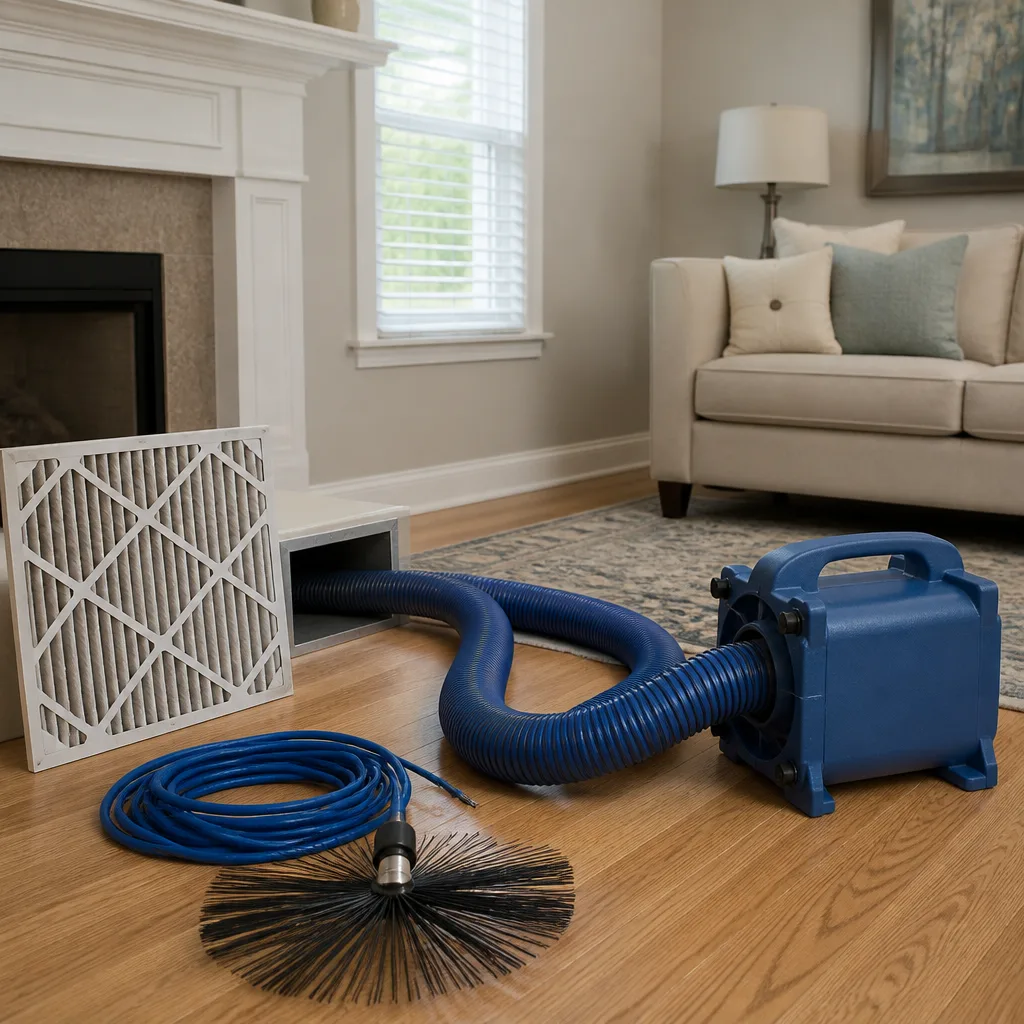
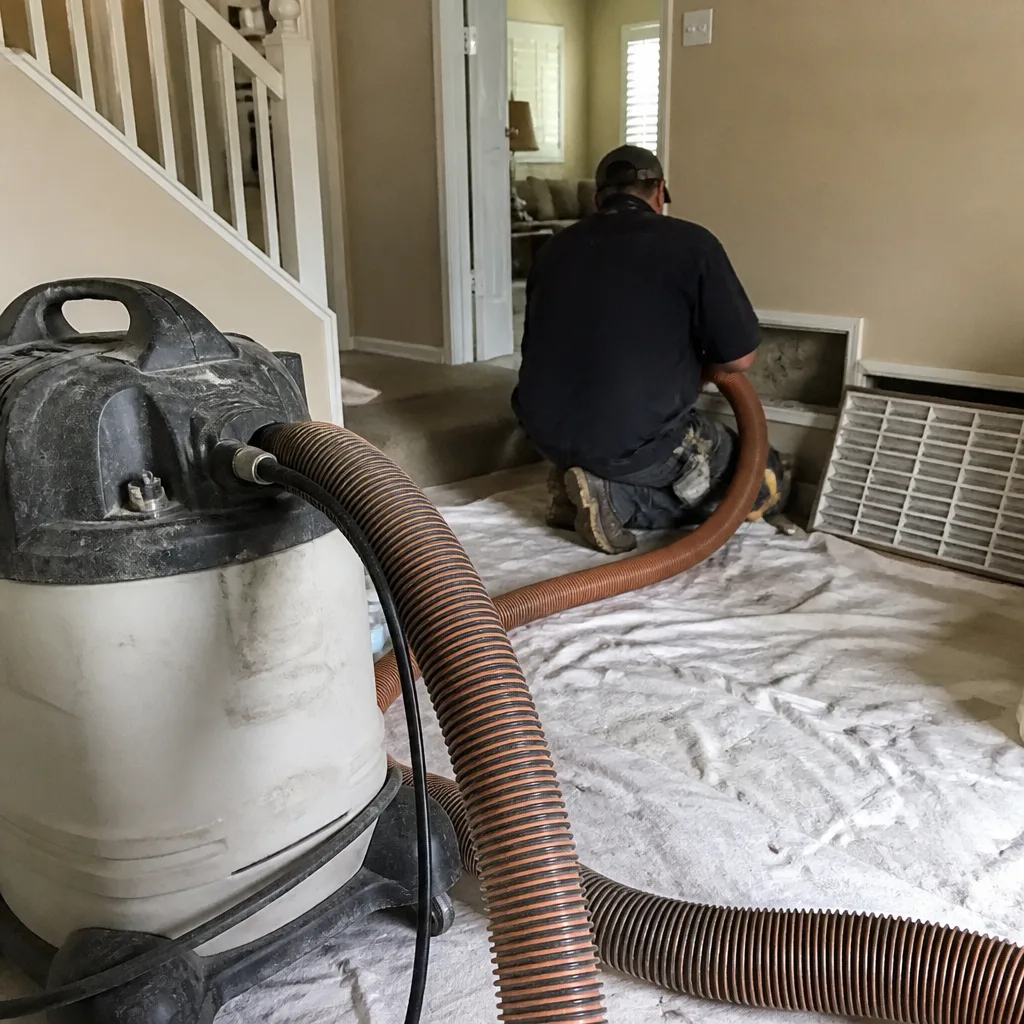
- Ask what equipment they use. The distinction between professional-grade and consumer-grade equipment matters. We run Rotobrush rotary-brush systems paired with Nikro HEPA-rated negative-air vacuums, and we carry Abatement Technologies air filtration equipment on our trucks. These aren’t marketing names; they’re the tools that determine whether a job meets professional standards.
- Ask about documentation. Will you receive before-and-after photos? A written report? Documentation of any findings that require further attention?
Our approach at Monarch Air Duct Cleaning is to treat every San Clemente job as if it will need to stand up to scrutiny later, because in a disclosure-heavy state like California, it might. That means transparent pricing, documented work, and honest conversations about what needs a permit and what doesn’t.
Common Mistakes to Avoid
- Assuming all duct cleaning is the same. The regulatory difference between routine cleaning and remediation is significant. A contractor who can’t explain the distinction probably shouldn’t be trusted to recognize mold when they see it.
- Paying for unpermitted duct modification. If a cleaning company offers to seal your ducts or replace sections without mentioning permits, you could be left with unpermitted work that surfaces during a sale.
- Skipping clearance testing after mold remediation. Without it, you have no proof the work actually addressed the problem. That proof matters at resale and in landlord-tenant disputes.
- Hiring based on coupon prices they saw online. The duct cleaning industry has a reputation problem because low-bid operators quote one price and inflate it after the van arrives. Ask for a flat, written estimate before work starts.
- Discarding documentation after a few years. Keep duct work records as long as you own the home. California disclosure requirements don’t have a statute of limitations on relevance.
- Ignoring dryer vent cleaning as a separate compliance item. In rental properties it’s a fire code matter, not just a maintenance preference.
- Waiting until mold is visible at a register to act. By that point, the contamination is usually more extensive inside the system than the homeowner realizes.
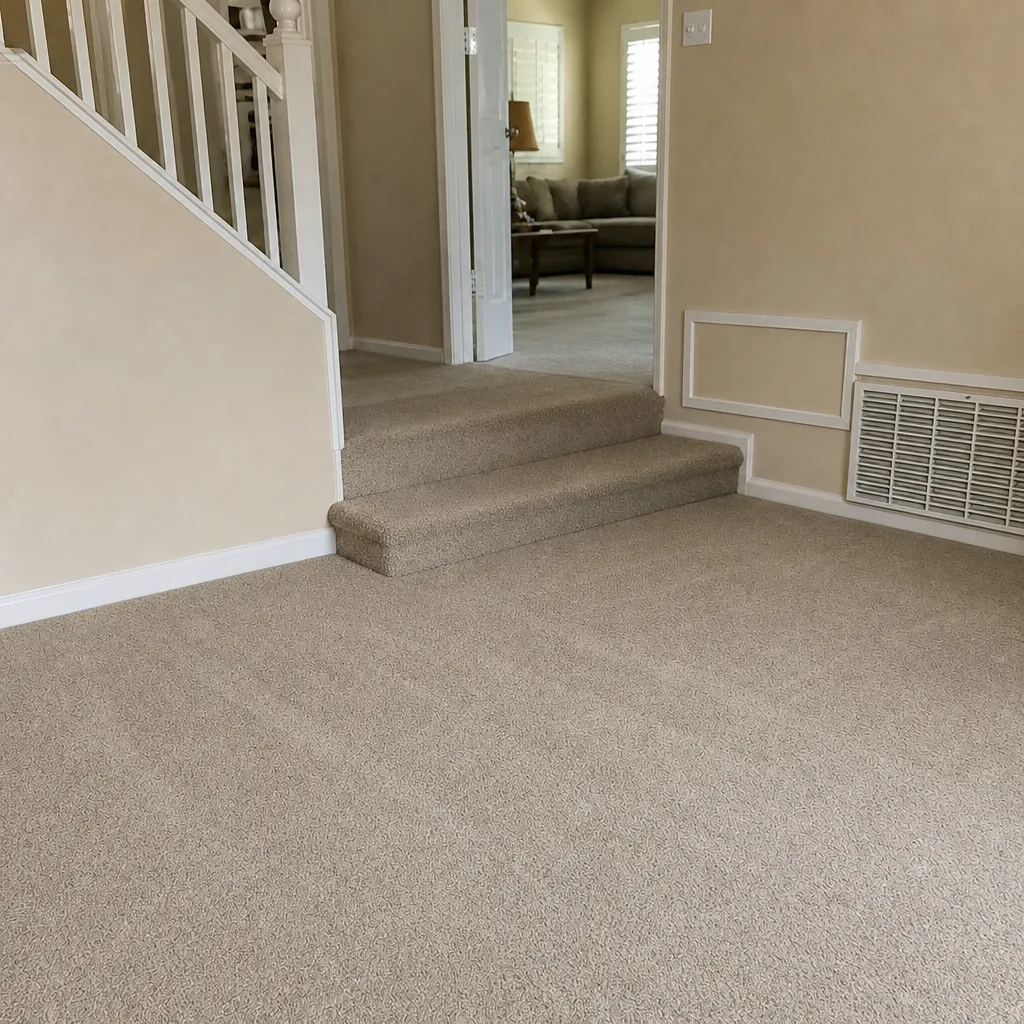
See the difference
 Before
 After
 Before
 After
 Before
 After
When to Call a Professional
Call a professional when you see visible mold on registers or inside accessible duct surfaces, when you’ve had water damage in the last year that may have affected the system, when a home inspector flags duct conditions during a sale transaction, or when your ducts haven’t been cleaned in 10 or more years and you’re noticing persistent dust, odors, or allergy symptoms that improve when you leave the house. Monarch Air Duct Cleaning offers free estimates in San Clemente, and we’ll tell you plainly whether your situation requires cleaning, remediation, or a permit conversation with the City. Call (866) 282-7304. We answer 24/7. Fast dispatch from 7am to 7pm, Sunday through Friday.
Frequently Asked Questions
No. Routine air duct cleaning requires no permit from the City of San Clemente or Orange County. A permit becomes necessary only if the work expands into duct sealing, replacement, modification, or mold remediation. If your contractor recommends any of those services, ask specifically about permit status before proceeding.
Duct cleaning removes dust, debris, and light buildup using brushes and negative-air equipment. Mold remediation is a regulated process under California Department of Public Health guidance that requires containment, proper disposal, and often post-remediation clearance testing. The distinction matters legally, at resale, and for your indoor air quality.
Ask what equipment they use, how they handle mold discovery, and whether they can explain Title 24 implications for duct sealing or repair recommendations. A qualified contractor will have clear answers to all three. Professional-grade equipment such as Rotobrush systems and Nikro HEPA-rated negative-air vacuums signals a standard above consumer-grade equipment.
California doesn’t require scheduled duct cleaning for rental properties, but the state’s habitability standards require that air systems not harm occupant health. Visible mold in ducts serving a rental unit creates legal exposure for landlords. Dryer vent cleaning for multi-unit laundry facilities is required under California Fire Code.
Keep the invoice, any before-and-after photos, and clearance testing results if remediation occurred. These records matter for California Transfer Disclosure Statements when you sell. For rental properties, documentation protects against habitability claims.
Costs are set per job by written estimate, not by fixed pricing formulas. A professional-grade cleaning with HEPA-rated equipment will typically run higher than a low-bid job that uses consumer equipment. The estimate should be free, in writing, and agreed upon before work starts. Call (866) 282-7304 for a free estimate on your San Clemente home.
The Bottom Line
Air duct cleaning in San Clemente sits in a gray zone that most homeowners never learn about until a problem surfaces. Routine cleaning requires no permit, no inspection, and no special documentation. But the moment the job touches mold, water damage, duct sealing, or system modification, California’s regulatory framework kicks in. Understanding where that line sits, knowing what documentation to demand, and hiring a contractor who can explain the distinction in plain language are the three things that protect you. That’s the standard we hold ourselves to on every job.
Written by the team at Monarch Air Duct Cleaning, serving San Clemente since 2012.