
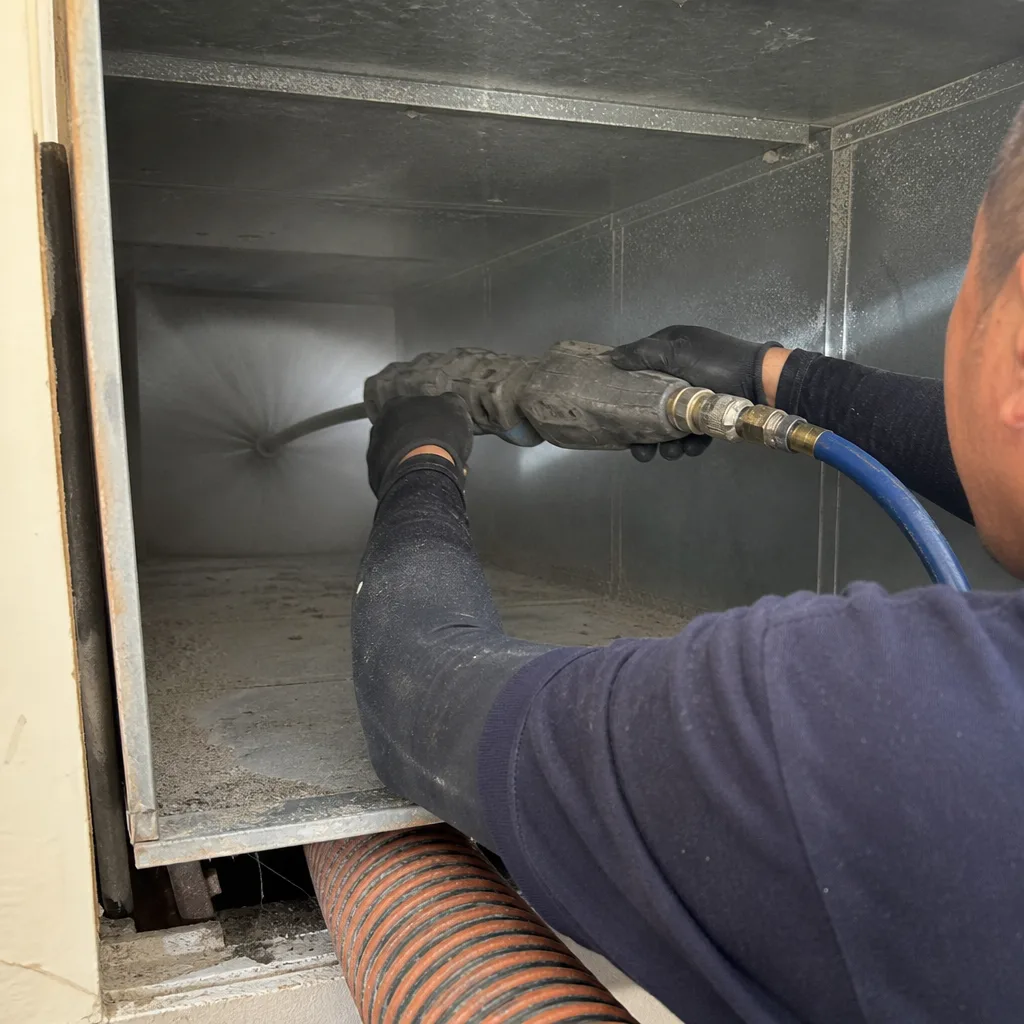
Last updated November 4, 2026
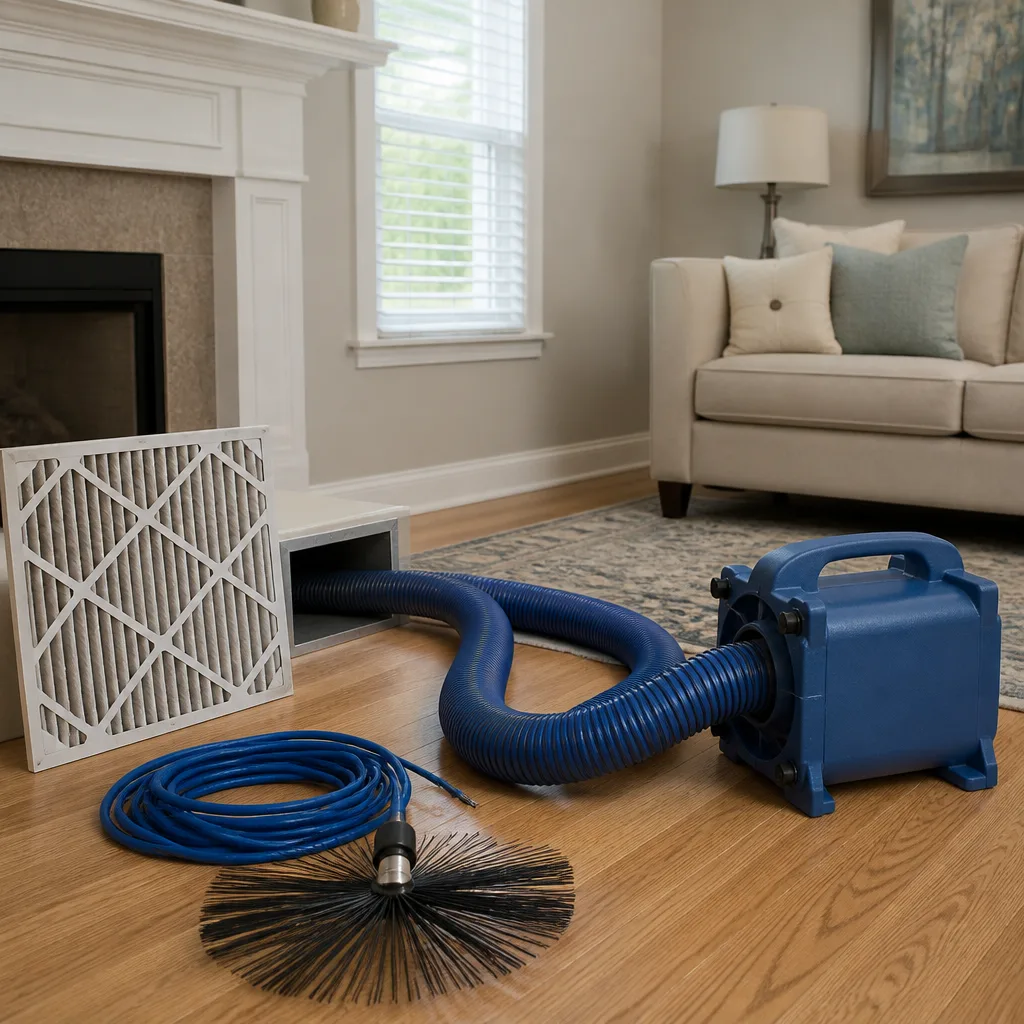 Whole-home duct cleaning
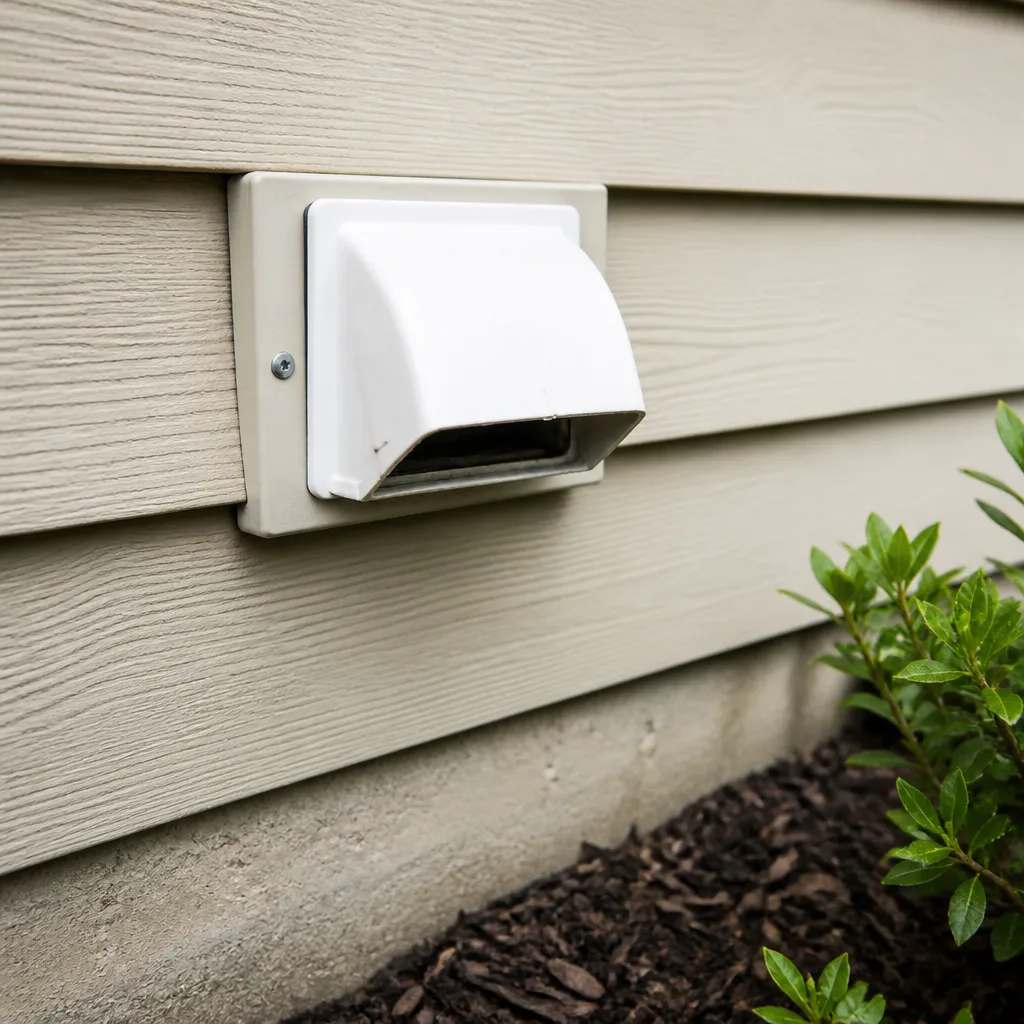 Dryer vent cleaning
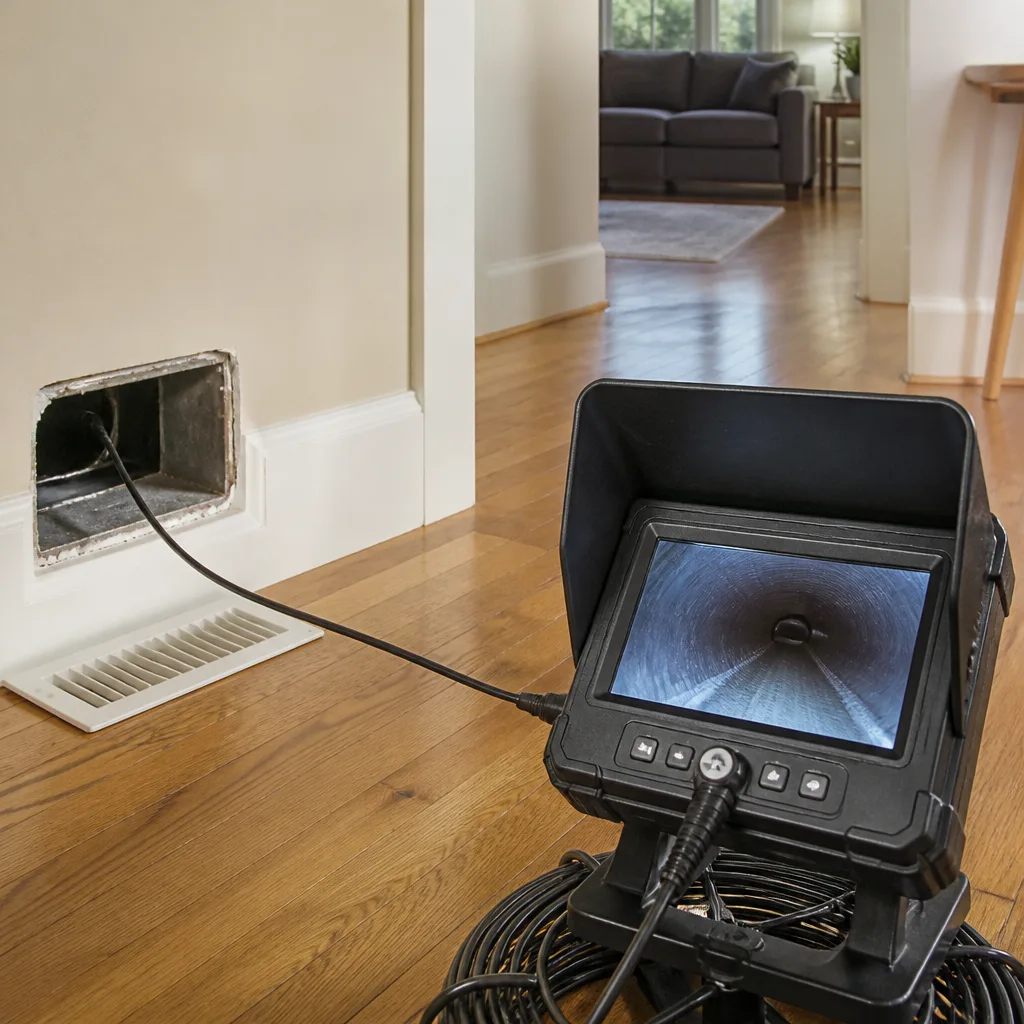 Camera inspection
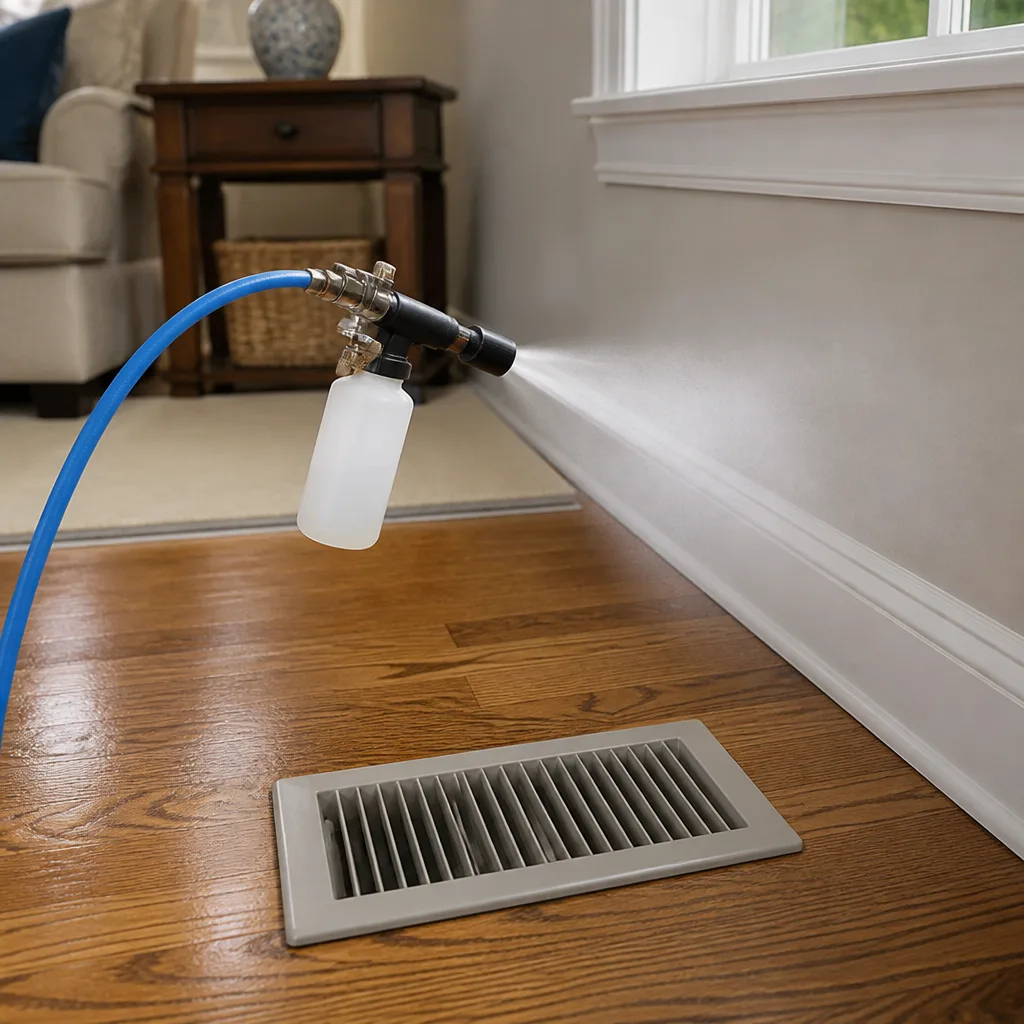 Sanitizing & deodorizing
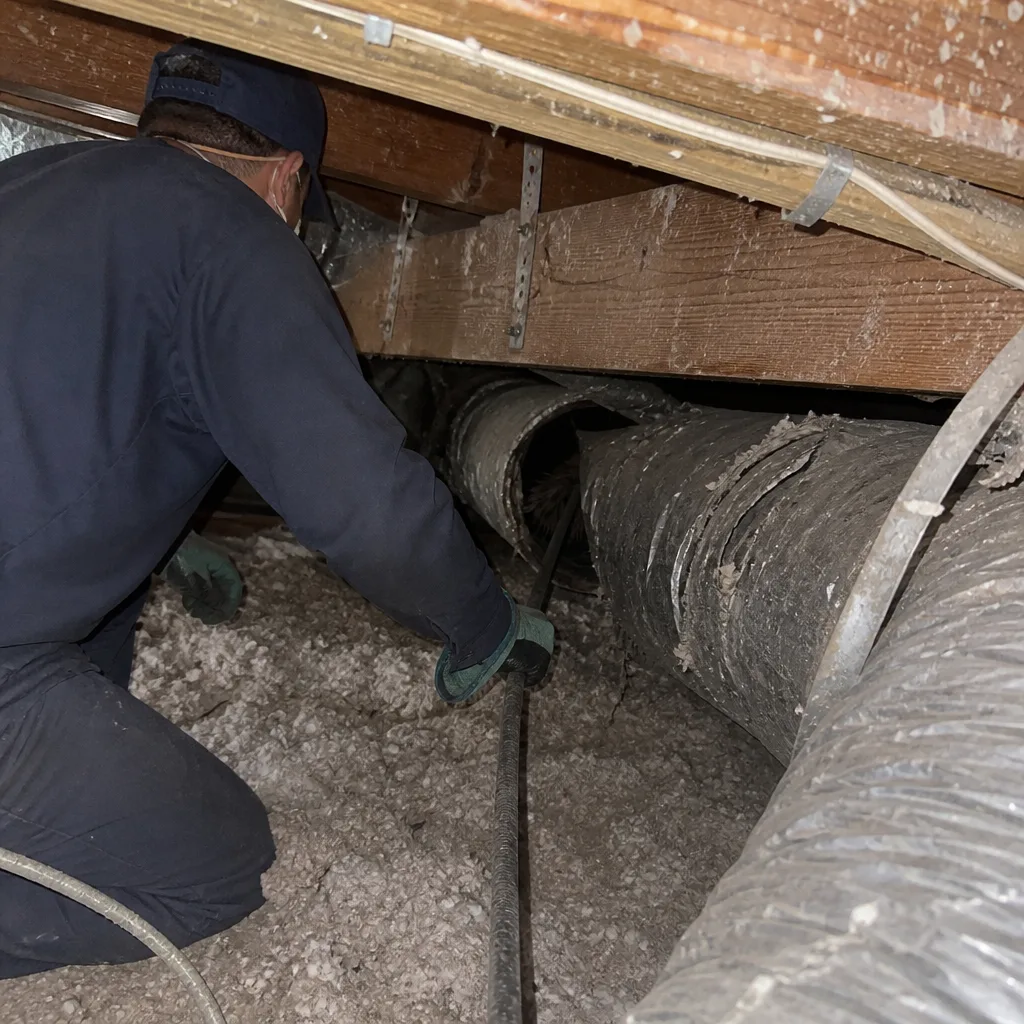
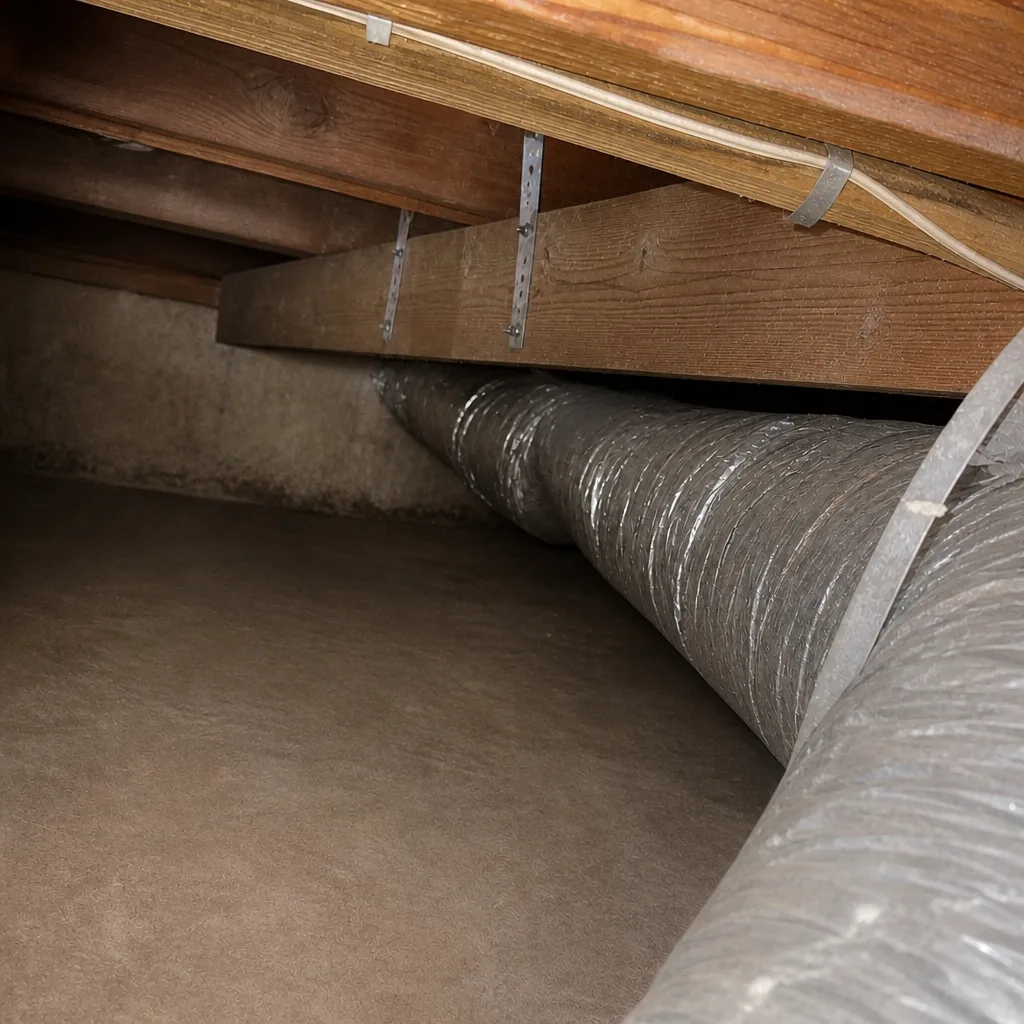
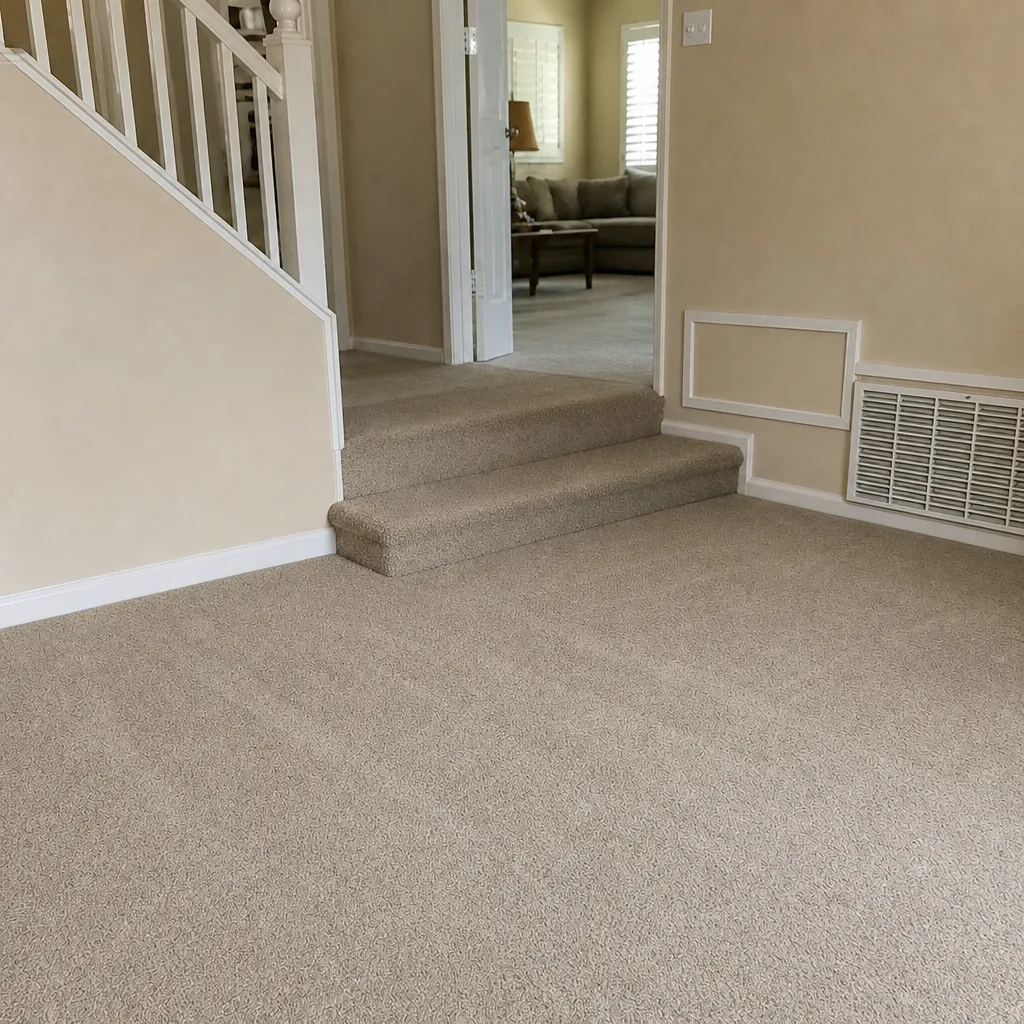
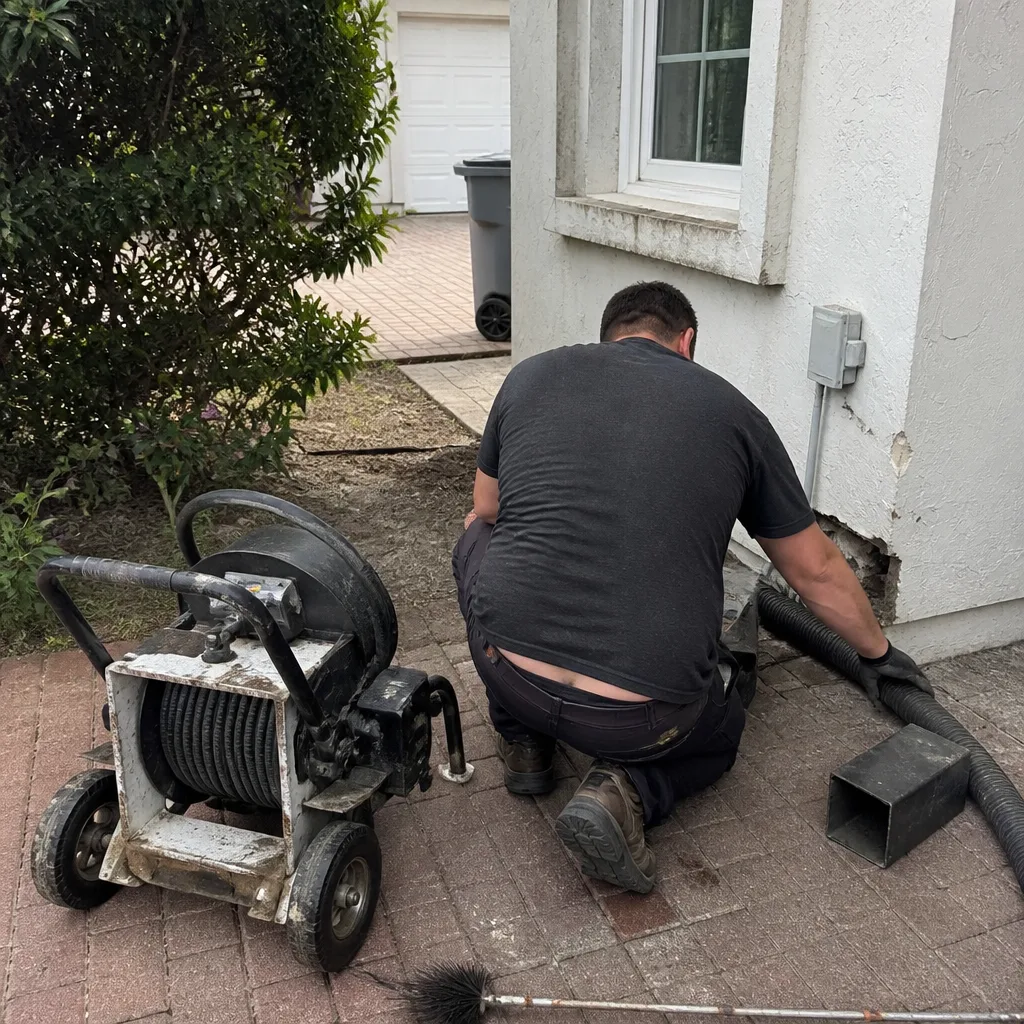
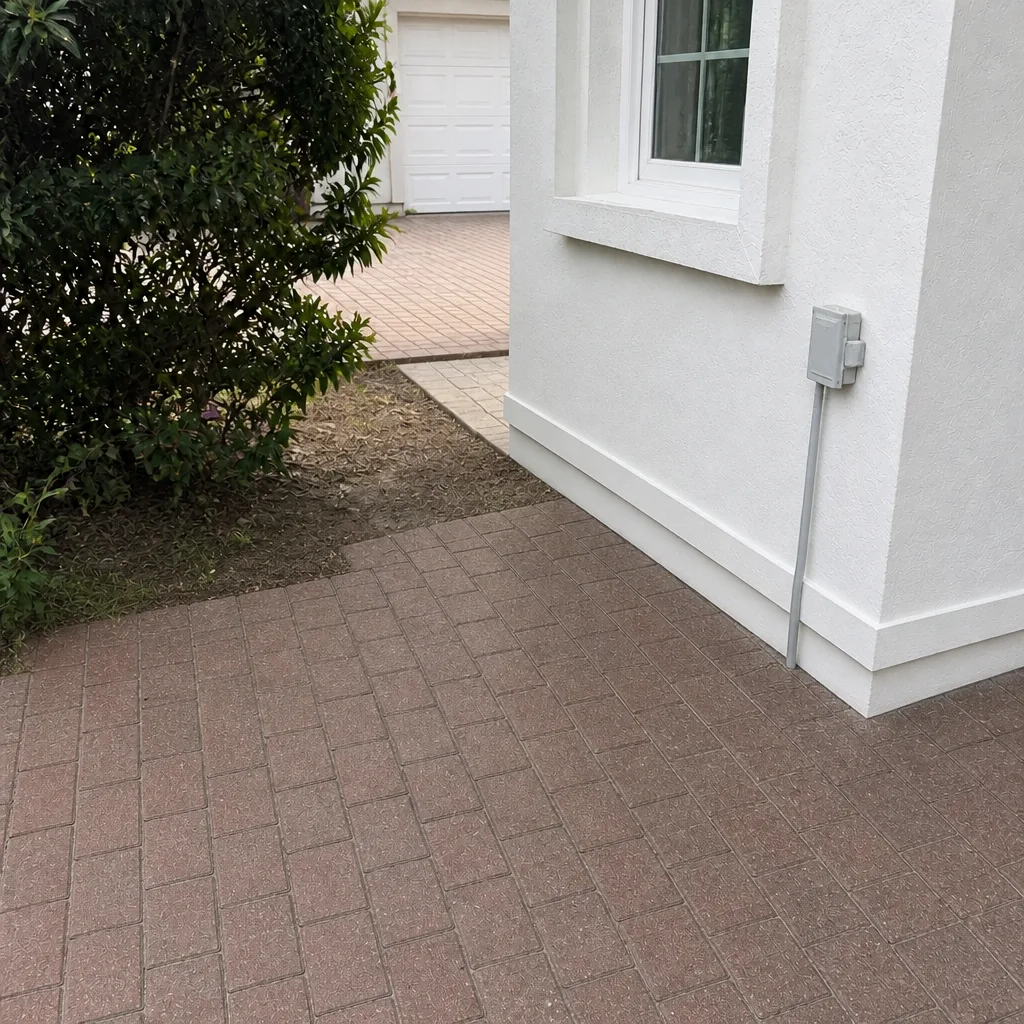
Whole-system duct and dryer vent check with before-and-after photos - you see exactly what came out of your vents
That "$99 whole-house special" is a bait ad - the real number appears once they are in your hallway, or the "clean" is a shop-vac at the register. We photograph the inside of your ducts before and after instead.
Air Duct Cleaning Maintenance Schedule: What to Do and When
The 3-to-5-year cleaning interval you’ve seen everywhere came from an industry average, not your house. A San Clemente home with two shedding dogs and a wood-burning fireplace accumulates what a childless couple accumulates in five years – in eighteen months. This guide replaces that lazy benchmark with a condition-based maintenance calendar built around how your home actually lives and breathes, from filter cadence to post-renovation protocol. You’ll learn which variables accelerate contamination, what to check between professional visits, and when the highest-leverage cleaning window opens in San Clemente’s climate.
Quick Answer
Most San Clemente homes need professional air duct cleaning every 2 to 4 years, not the generic 3 to 5 often quoted. Homes with pets, allergy sufferers, recent renovation work, or smokers should lean closer to every 18 to 24 months. Between cleanings, change your HVAC filter every 30 to 90 days depending on household conditions, and schedule the professional visit in late spring before the summer cooling season begins.
Styles & brands we work with
- Whole-home duct cleaning
- Dryer vent cleaning
- Camera inspection
- Sanitizing & deodorizing
Table of Contents
- Why the 3-5 Year Rule Fails Most Homes
- Your Personalized Cleaning Interval Calculator
- Between-Cleaning Maintenance Tasks You Can Do
- Seasonal Timing: When San Clemente Homes Benefit Most
- What Your Filter Discoloration Is Telling You
- Post-Renovation Protocol: Cleaning After the Dust Settles
- Common Mistakes to Avoid
- When to Call a Professional
- Frequently Asked Questions
Why the 3-5 Year Rule Fails Most Homes
The “every 3 to 5 years” guideline gets repeated because it is easy to remember, not because it matches your ceiling cavities. Industry associations distill national averages into a single number, but contamination does not accumulate on a national average schedule. It accumulates on the schedule your household sets.
A San Clemente rancher with one adult, no pets, no carpet, and a high-MERV filter changed monthly might genuinely go five years between professional cleanings. The house two streets over with a golden retriever, a teenager with dust allergies, and a recent kitchen remodel might need attention at the eighteen-month mark. Same neighborhood, same climate, radically different duct interiors.
The variables that matter are measurable. Pets shed dander and hair that bypasses the filter and settles inside return ducts. Renovation work creates fine drywall and insulation particulate that your HVAC system distributes and redeposits. Cigarette or cannabis smoke leaves a sticky residue that traps other particles. Allergy sufferers react to accumulations that would not bother a non-allergic occupant. The age of your HVAC system matters too – older systems pull more unfiltered air through gaps in the return path, and older ductwork has more seams, leaks, and internal roughness where debris catches.
What the generic rule also ignores is that San Clemente’s mild winters mean windows stay open more of the year than in colder climates. Open windows bring in pollen, dust, and whatever the Santa Ana winds carry. All of that enters the return side of your system and either gets trapped by the filter or settles in your ductwork.
So forget the average. The right question is not “how many years since my last cleaning” but “what has been living and happening in this house since then.”
Your Personalized Cleaning Interval Calculator
Instead of a single number, think of your interval as a baseline that adjusts with the reality of your household. Start at four years for a low-occupancy home with no pets and a clean-running system. Then subtract time for each condition that applies.
Start with a 4-year baseline, then subtract:
- One or more pets, particularly dogs or cats: subtract 12 to 18 months. Pet dander and hair are the single biggest accelerant we see in residential duct systems.
- One or more smokers in the home: subtract 12 to 24 months. Smoke residue is sticky and composites with dust into a coating that is difficult to remove with a consumer-grade approach.
- Any renovation work in the last two years: subtract 12 to 18 months for drywall, flooring removal, insulation replacement, or any project that opened walls or ceilings.
- One or more occupants with allergies, asthma, or respiratory sensitivity: subtract 12 to 24 months. What a non-allergic person never notices, an allergic person feels as congestion, sneezing, or poor sleep within weeks of contamination building.
- HVAC system over 10 years old: subtract 6 to 12 months. Older returns and ductwork pull more unfiltered air through gaps, and older blower assemblies shed more belt dust and debris.
- Carpet throughout the home: subtract 6 to 12 months. Carpet holds and releases particulate continuously, feeding the return side of your system.
A household with a dog, a smoker, and a remodel from last year would start at four years and subtract up to five: that lands around a one-year interval. A couple with no pets, no smokers, hard floors, and a newer system might genuinely wait five years.
San Clemente’s older housing stock adds another variable. Many homes in the area were built with return paths that run through wall cavities rather than dedicated duct runs. These cavity returns collect dust where you cannot see it, and they do not respond to consumer equipment the way a dedicated metal return does. If your home predates the early 2000s, lean toward the shorter end of your calculated interval.
Between-Cleaning Maintenance Tasks You Can Do
Professional duct cleaning is the reset. What you do between resets determines how quickly the clock starts again. Here is the maintenance sequence that keeps your system cleaner longer, in the order you should think about it.
- Change the HVAC filter on a real schedule. Write the last-changed date on the filter frame with a marker. For most San Clemente homes, a 30 to 60 day cadence is right. Homes with pets or smokers should check at 30 days and change when the filter is visibly loaded. A quality pleated filter with a MERV 8 to 11 rating captures more without choking airflow in most residential systems. Do not jump to MERV 13 without confirming your blower can handle the pressure drop.
- Wipe supply vent covers and return grilles monthly. Dust the visible face of every vent cover with a damp microfiber cloth. The supply registers in bedrooms accumulate a fine film that comes from the ducts themselves – keeping the face clean tells you how fast the interior is shedding. Return grilles pull air in, so they collect lint, hair, and household dust that would otherwise enter the ductwork.
- Inspect return grilles for filter bypass. If your returns use washable or disposable filter media behind the grille, check that the media seats fully in the frame with no gaps at the edges. A return filter that is bowed, torn, or sized wrong lets unfiltered air slip around it and straight into the duct run.
- Vacuum the boot openings once a season. Remove the supply register covers and vacuum the throat of each boot where it meets the floor or wall. You are not cleaning the duct, just removing the debris that accumulates right at the opening where it can fall back in.
- Keep the mechanical closet or air handler area clear. Stored boxes, pet beds, and household clutter around the air handler add particulate right at the blower intake. Give the unit three feet of clear space.
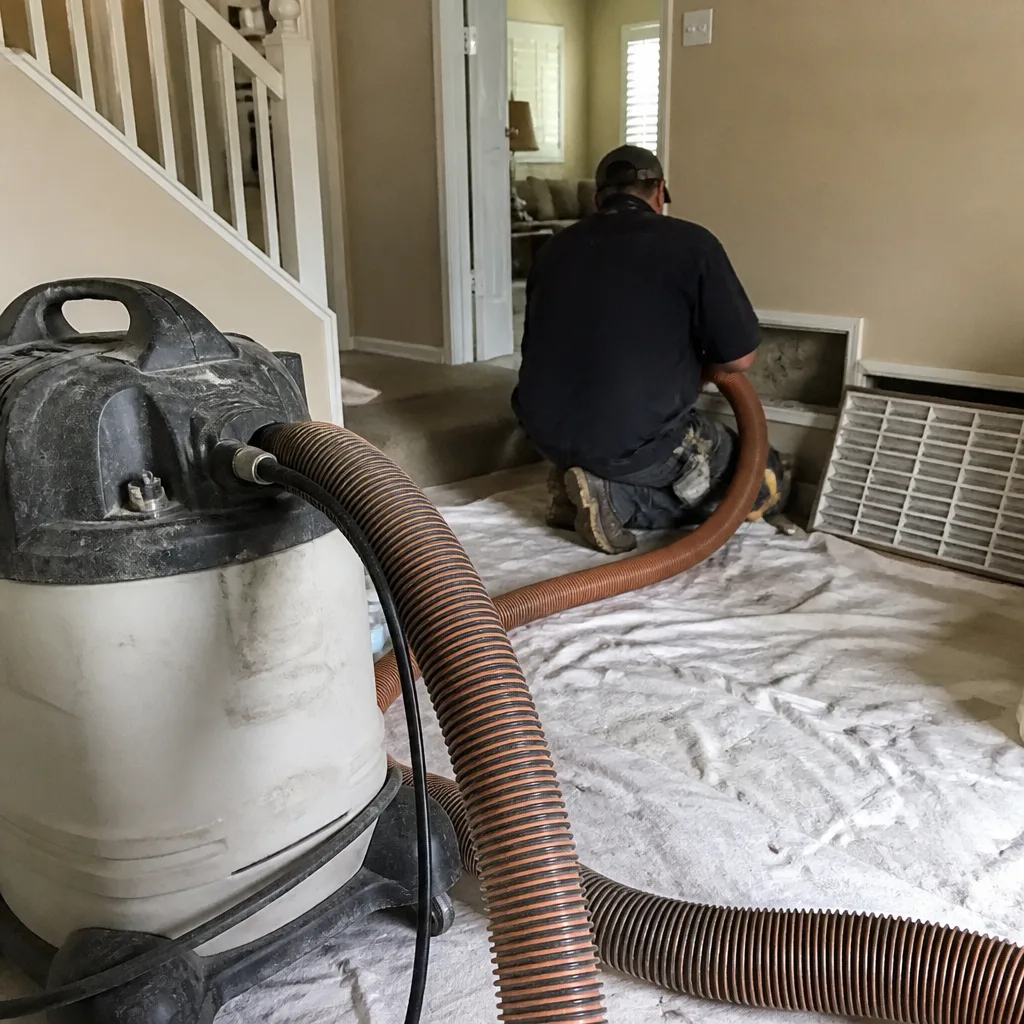
For homes where the duct interiors are already in rough shape, a professional cleaning with the right equipment resets the baseline. We run Rotobrush rotary-brush systems paired with Nikro HEPA-rated negative-air vacuums – the same dual-method combination used in professional remediation work, not a shop-vac attached to a register. The negative air keeps what the brush loosens from drifting back into the living space during the job.
Seasonal Timing: When San Clemente Homes Benefit Most
The highest-leverage window for professional duct cleaning in San Clemente is late spring, between April and early June, before the summer cooling season clicks on in earnest.
Here is the logic. Your HVAC system works hardest when it runs most, and in San Clemente that means summer air conditioning. Whatever is sitting in your ducts when June arrives gets pulled through the system, reheated and redistributed, blown past the cooling coil, and circulated into every room for months. Cleaning in April or May removes the accumulated winter dust, the previous fall’s Santa Ana debris, and the spring pollen load before the system shifts into its highest-circulation season.
Fall cleaning has a secondary case in San Clemente. The Santa Ana wind events that typically arrive between September and November push fine dust, ash from inland fires, and dry particulate through open windows and into return paths. If you ran your system heavily through the summer and you noticed dust settling on furniture faster than normal, a fall cleaning resets the system before the winter heating season.
The weakest time to schedule is mid-summer. You will get the same cleaning result, but you will have spent the first six weeks of the cooling season circulating whatever had accumulated. If you missed the spring window, schedule for fall rather than waiting another full year.
There is no calendar emergency here. Duct contamination builds gradually. The goal is to clean before the high-circulation season begins, not in the middle of it.
What Your Filter Discoloration Is Telling You
The HVAC filter is the cheapest diagnostic tool in your home. What you see on the media when you change it tells you what is moving through the system and what is settling inside the ducts. Pull the old filter once a month and look at the color and pattern.
- Uniform light gray across the media: normal household dust. Change on schedule and keep going. This is the baseline for a clean-running home.
- Patchy dark gray with visible hair and lint: heavy particulate load from pets or carpet. Your interval between professional cleanings should be shorter, and the filter should be checked every two to three weeks during shedding season.
- Brown or tan discoloration: fine dust from outdoors – the kind San Clemente sees during Santa Ana wind events and dry inland stretches. This fine particulate slips through lower-MERV filters and settles in duct interiors. If you see brown filters repeatedly, move up one MERV rating and consider a professional cleaning more frequently.
- Black or sooty edges with a sticky feel: smoke or combustion particulate, or extremely fine dust that has picked up moisture. If you burn candles frequently, have a fireplace, or live near a busy traffic corridor, this is the residue that bonds to duct walls. It will not vacuum out with household equipment.
- Gray or white powder that looks like drywall dust: construction particulate. Even small renovation projects create this. It is abrasive on blower bearings and finned coils, and it coats every surface inside the duct run. This is the strongest signal that a professional cleaning is due now, not next season.
The filter only catches what actually passes through it. A dirty filter means clean air is not the only thing moving through your system – it means the same debris is also settling in the ducts and on the coil. If you change a filter and a week later it already looks coated, that is the ductwork and return path feeding it continuously. The filter is not the problem; it is the symptom reader.
Post-Renovation Protocol: Cleaning After the Dust Settles
The worst advice in the renovation industry is “let the dust settle, then clean it up.” In an HVAC system, dust does not settle once in a gentle layer. It gets pulled through the return side during construction, coats the blower, the coil, and the duct interiors, and then gets redistributed every time the system runs. The dust you see on your shelves after a remodel is a fraction of what is inside the ducts.
Drywall sanding produces dust fine enough to pass through a standard fiberglass filter. Insulation replacement releases glass fibers. Flooring removal aerosolizes particles that have been trapped under old carpet for years. Any project that opened walls, ceilings, or floors introduced this material into the return path if the system ran at all during construction.
Here is the sequence that protects both the system and the people breathing through it.
- Change the HVAC filter the day construction ends. This is non-negotiable. The filter installed during construction is doing its job and is loaded. Replace it with a fresh pleated filter before the system runs again in normal operation.
- Run the system normally for 48 to 72 hours. This recirculates the post-construction air and gives loose particulate a chance to move toward the filter rather than sit in the ducts.
- Change the filter again after one week. The first replacement catches what stirred up from the construction period. The second one tells you how much is still in circulation. If the second filter comes out coated with fine white or gray powder, the residual load is significant.
- Schedule professional duct cleaning within 30 to 60 days of project completion. This is the window where professional equipment removes what the filter approach cannot. Waiting six months means the construction dust has had half a year to bond with duct walls, humidity, and any existing residue.
- Do not wait “until it settles.” Settled dust in a duct just means it is sitting there waiting for the next system cycle to blow it into a bedroom. The cleaning should happen after the dust generation stops but before the system has spent a full season recirculating it.
You would not install new floors and never wash the subfloor. The duct system is the same logic one level deeper. Our approach handles post-renovation particulate the way remediation crews handle contamination – with Rotary brush agitation and Nikro HEPA negative air, not a poke-and-suck hose. We also carry Abatement Technologies air filtration equipment, which is the standard used in mold and asbestos abatement settings. Applied to a post-construction duct cleaning, it means the dust we loosen is captured at HEPA standard, not exhausted into your living room or out a window.
Common Mistakes to Avoid
- Treating the filter as optional maintenance. The filter is the first line of defense and the cheapest component in the system. A collapsed, bypassed, or forgotten filter forces the system to recycle unfiltered air, accelerating duct contamination and coating the evaporator coil.
- Using a higher MERV rating without checking compatibility. A high-MERV filter restricts airflow in systems not designed for it, which reduces efficiency and can freeze the coil in summer. Match the filter to the blower’s static pressure capability, not to the most impressive number on the package.
- Cleaning duct interiors with a shop vac and a brush. Consumer vacuums do not create enough negative pressure to pull debris from deep in a duct run, and they exhaust fine particulate right back into the room. The equipment used for the job matters at least as much as the effort.
- Waiting for a smell or visible dust before acting. By the time you notice a persistent dusty smell or visible debris at the registers, the duct interiors have been accumulating for months or years. Filter discoloration and faster-than-normal dust settling on furniture are earlier indicators.
- Skipping the post-renovation cleaning because “the system wasn’t running” during construction. Dust settles into return openings and duct boots even when the blower is off. The first time the system cycles after construction, it pulls that material through the entire distribution network.
- Assuming a new HVAC system means clean ducts. A new handler or condenser does not replace the existing duct runs. Old ductwork connected to new equipment delivers old contamination through a new blower. San Clemente homes with original ductwork and a replaced system should treat the ducts on their own schedule.
- Choosing a cleaner by price alone. The low-bid approach in this trade almost always means consumer-grade vacuum equipment, short run times, and registers that look good on the surface while the duct interiors remain coated. Ask what equipment the crew uses and whether they run negative air during the job.
When to Call a Professional
You should schedule a professional air duct cleaning when your filter shows black or sooty residue, when construction dust has entered the system, when occupants with allergies notice symptoms that worsen at home, or when it has simply been more than three years since the last cleaning and you have pets. These are the conditions where professional equipment makes a measurable difference.
Monarch Air Duct Cleaning serves San Clemente with professional-grade equipment and the same dual-method approach used in remediation settings. We offer free estimates and a written scope of work before anything starts. Call (866) 282-7304. We answer 24/7. Fast dispatch from 7am to 7pm, Sunday through Friday.
Frequently Asked Questions
Most San Clemente homes need professional air duct cleaning every 2 to 4 years. Homes with pets, smokers, allergy sufferers, or recent renovation work should clean every 18 to 24 months. The interval shortens with each additional contamination variable.
The leading indicator is your HVAC filter. Black or sooty edges, visible hair and lint, or a coating of fine white powder one week after you changed the filter all signal that the duct interiors are loaded. Faster-than-normal dust settling on furniture between filter changes is another reliable sign.
Late spring, between April and early June, is the highest-leverage window because it resets the system before the summer cooling season. A secondary window opens in fall after Santa Ana wind events push fine dust through San Clemente homes. The weakest time is mid-summer, after the system has already circulated built-up debris for weeks.
A shop-vac and a long brush cannot reach deep into duct runs, and consumer vacuums do not generate the negative pressure needed to pull debris from the system. They also exhaust fine particulate back into the living space. Professional equipment – like the Rotobrush rotary-brush systems and Nikro HEPA negative-air vacuums we run – is designed for exactly this job.
Schedule professional duct cleaning within 30 to 60 days of project completion. Change the filter immediately when construction ends, run the system normally for a few days, then change the filter again after a week to assess the residual load. Waiting months lets construction dust bond with duct walls and recirculate through every room.
Not automatically. High-MERV filters restrict airflow in systems not designed for them, reducing efficiency and risking a frozen coil in summer. Match the filter to your blower’s static pressure capability. For most residential systems, a MERV 8 to 11 pleated filter is the right balance of capture and airflow. For an exact assessment of your home’s system, call (866) 282-7304 for a free estimate.
The Bottom Line
The interval between professional air duct cleanings is a function of how your house lives, not a number printed on an industry brochure. Pets, renovations, smokers, allergy sufferers, and the age of your HVAC system all shorten the clock. San Clemente’s open-window climate and Santa Ana winds add outdoor particulate to the mix. Use filter discoloration as your leading indicator, keep up the between-cleaning tasks, and schedule the professional reset before the summer cooling season starts. When the job is due, Monarch Air Duct Cleaning brings professional-grade equipment to a residential market that deserves more than a shop-vac approach. Call (866) 282-7304. We answer 24/7. Fast dispatch from 7am to 7pm, Sunday through Friday.
Written by the team at Monarch Air Duct Cleaning, serving San Clemente since 2012.
See the difference
 Before
 After
 Before
 After
 Before
 After