
Last updated November 4, 2026
 Whole-home duct cleaning
 Dryer vent cleaning
 Camera inspection
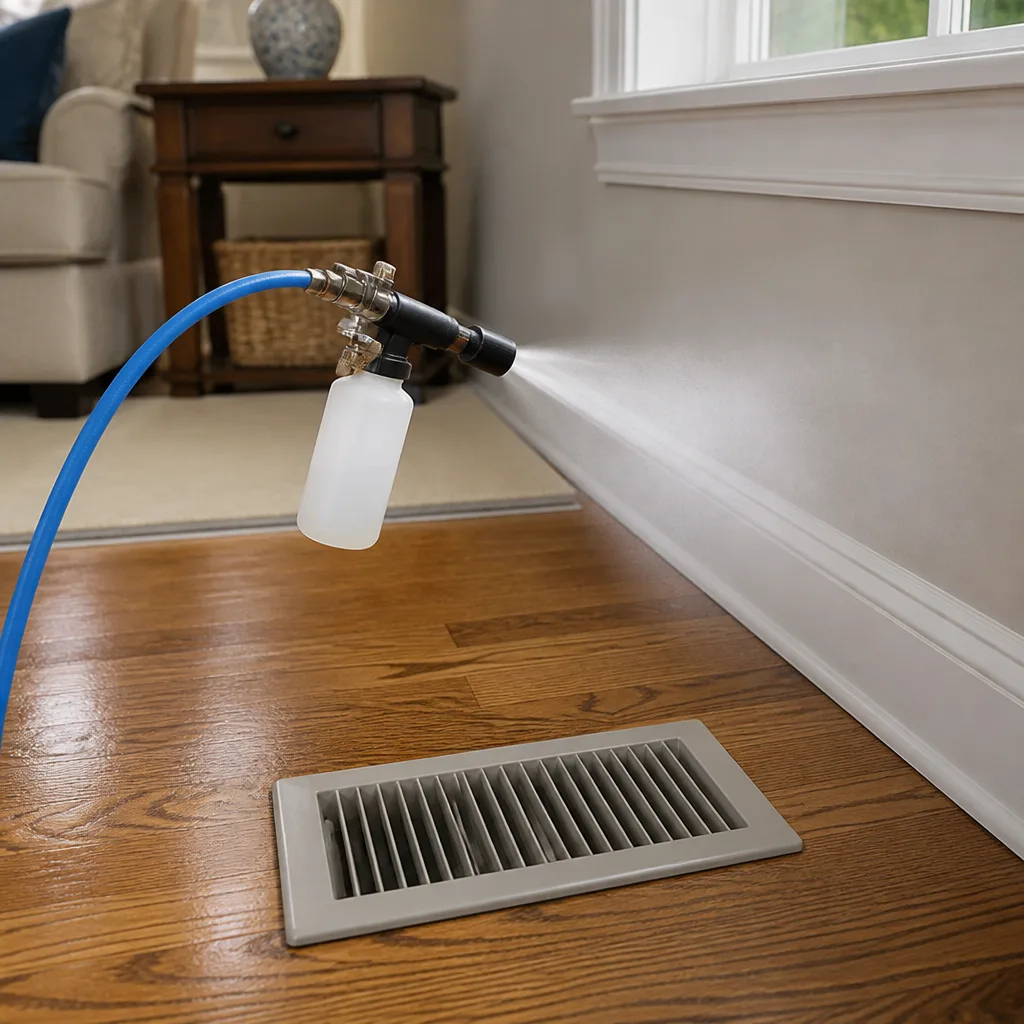 Sanitizing & deodorizing
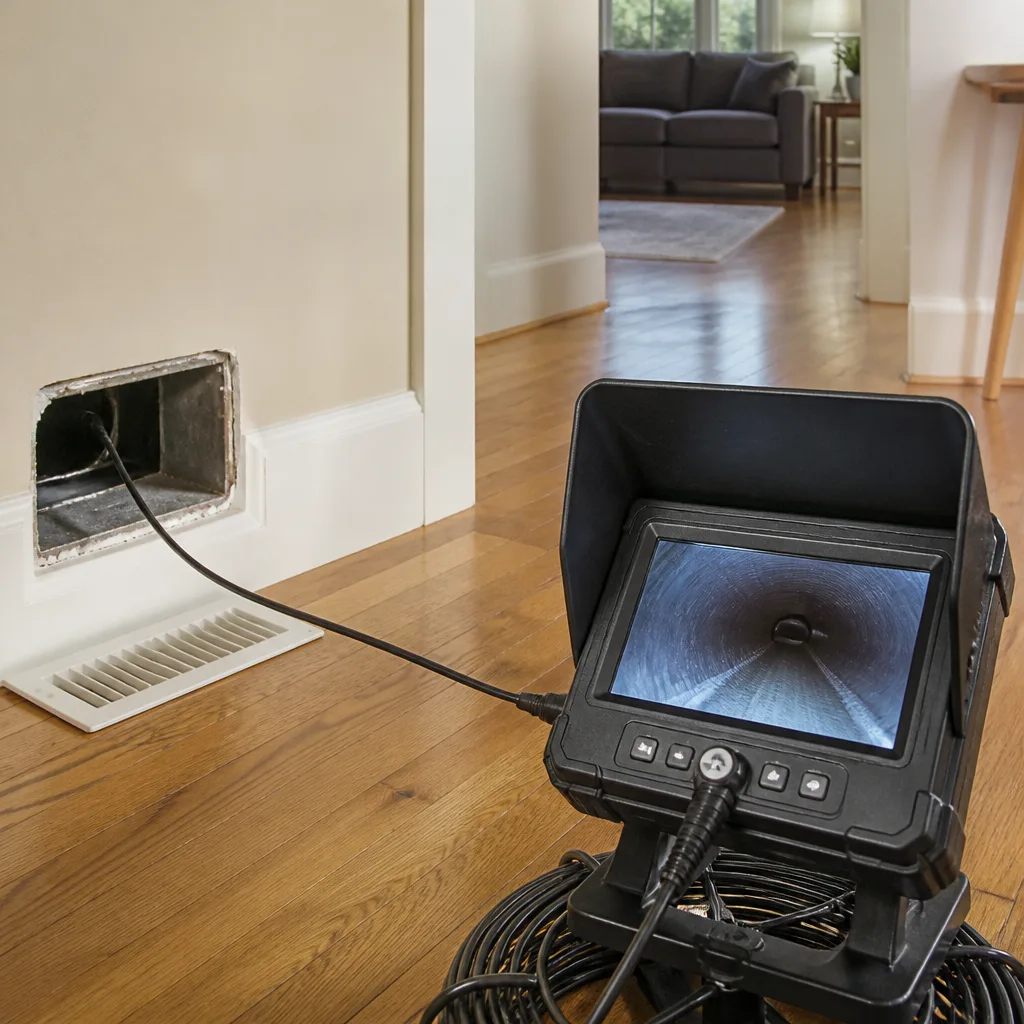
Whole-system duct and dryer vent check with before-and-after photos - you see exactly what came out of your vents
That "$99 whole-house special" is a bait ad - the real number appears once they are in your hallway, or the "clean" is a shop-vac at the register. We photograph the inside of your ducts before and after instead.
Seasonal Air Duct Cleaning Care for San Clemente: Year-Round Homeowner’s Guide
San Clemente doesn’t get Minnesota winters or Phoenix summers, so most seasonal HVAC guides feel irrelevant. But the marine layer months, the Santa Ana wind season, the June gloom humidity cycles, and the fall wildfire smoke window each put specific stress on your duct system. And each has its own maintenance logic. This guide walks through what actually happens inside your ducts during each part of the San Clemente year, and what a sensible maintenance calendar looks like for a coastal Mediterranean climate.
Styles & brands we work with
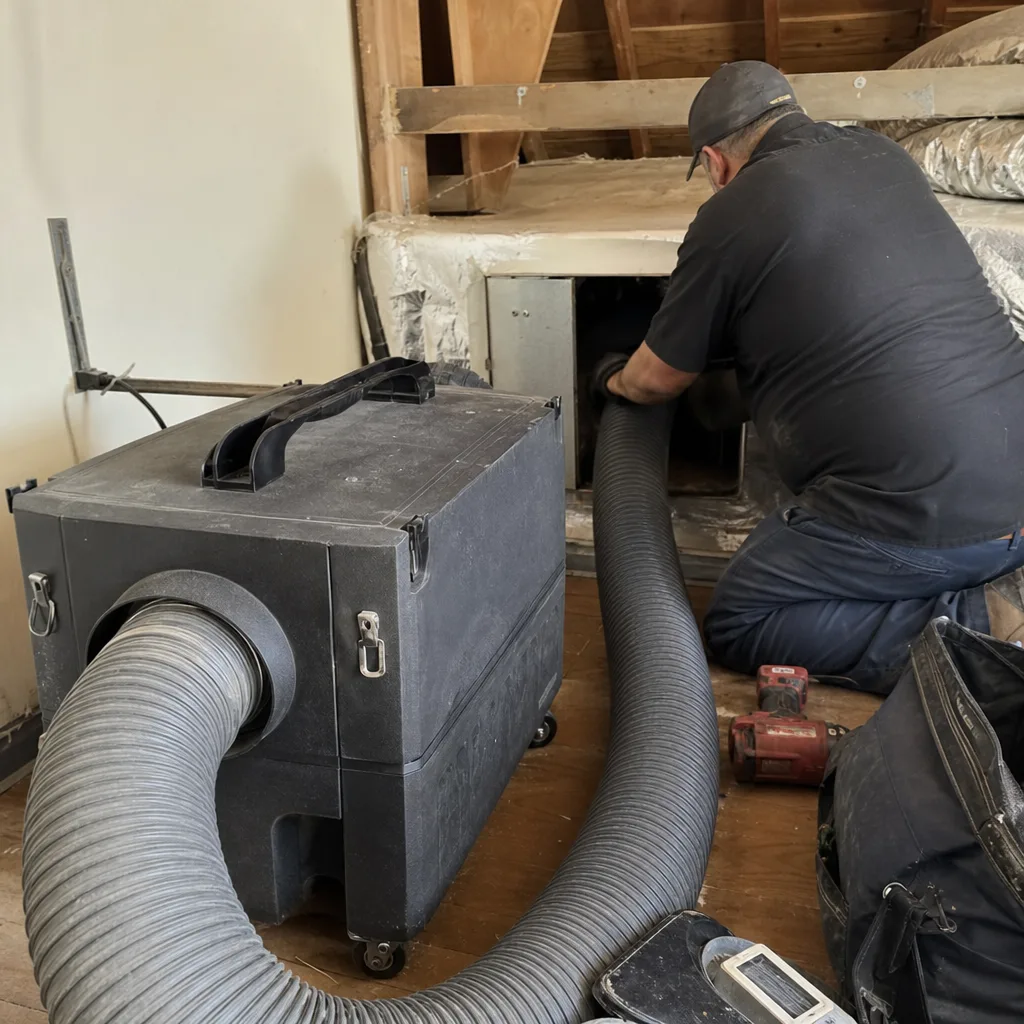
- Whole-home duct cleaning
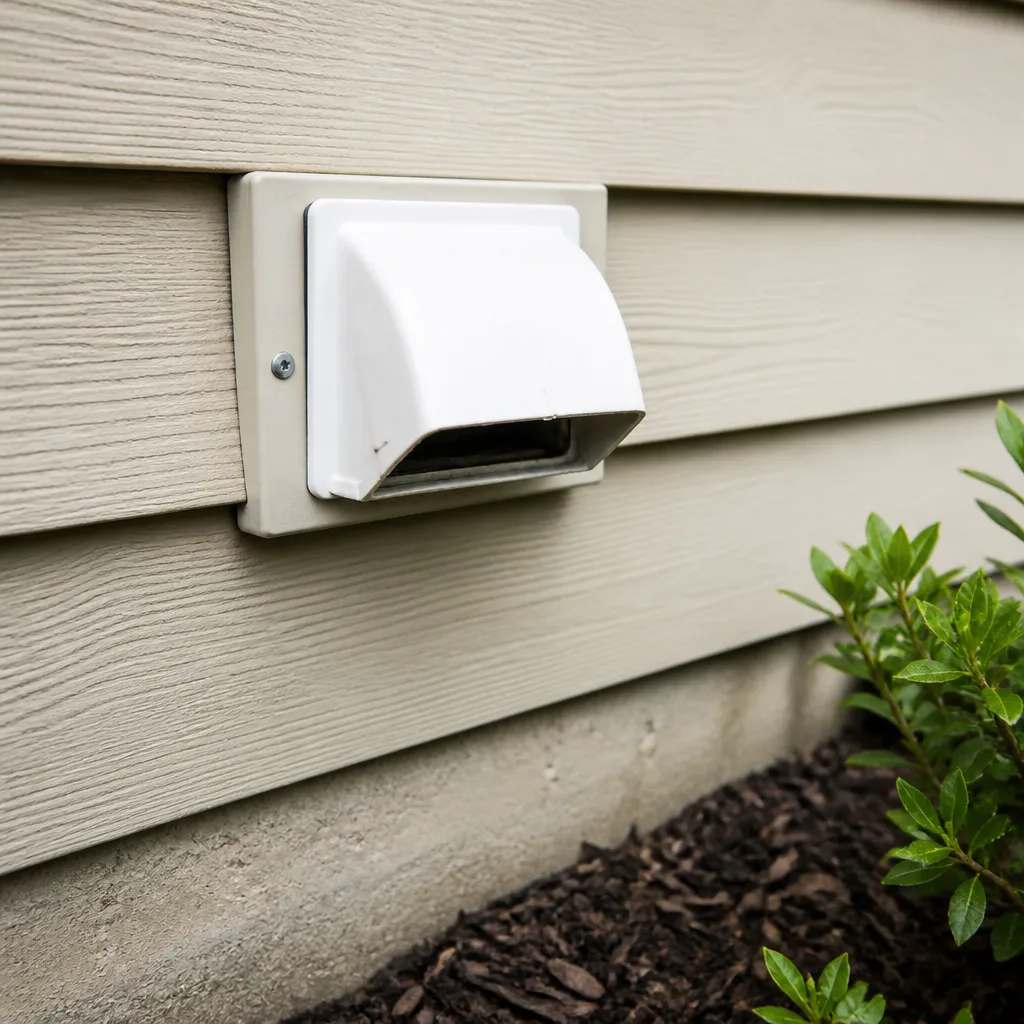
- Dryer vent cleaning
- Camera inspection
- Sanitizing & deodorizing
Quick Answer
For most San Clemente homes, the single best window for air duct cleaning runs from November through January, after wildfire smoke season ends and before winter rains settle in for good. That said, each season in our climate creates a different kind of duct stress: marine-layer humidity in late spring, Santa Ana particulate loads in fall, and moisture intrusion checks after winter rain. A practical routine is to inspect twice a year and clean every two to three years, with the timing adjusted for whether you live near the coast or up in Talega or Rancho San Clemente.
Table of Contents
- May – July: The Marine Layer Season and What It Does to Ducts
- August – October: Santa Ana Winds, Particulates, and Dry-Air Stress
- November – January: Why This Is the Smartest Cleaning Window in San Clemente
- February – April: Post-Rain Moisture Inspection Season
- Coastal vs. Inland: Talega, Rancho San Clemente, and the Microclimate Gap
- Your 12-Month San Clemente Duct Care Calendar
- Signs Your Ducts Need Attention Right Now
- Common Mistakes to Avoid
- When to Call a Professional
- Frequently Asked Questions
- The Bottom Line
May – July: The Marine Layer Season and What It Does to Ducts
From late May through July, San Clemente sits under the marine layer more days than not. Morning overcast burns off by early afternoon, but the humidity hangs around. For your ductwork, that creates a specific set of conditions most seasonal HVAC guides never mention. When outdoor humidity stays elevated, your AC cycles less frequently at night, and that means air inside the ducts sits still for longer stretches. Still air plus the interior roughness of most duct runs is where microbial growth starts.
The issue isn’t dramatic. It’s cumulative. A duct system that carries cool air in the evening, then sits dormant through a humid night, develops condensation along interior surfaces, especially near registers and in unconditioned attic runs. Over multiple marine-layer seasons, that moisture cycle leaves behind a thin organic film. Dust sticks to it. Pollen sticks to it. And by mid-summer, the air coming through your vents smells slightly musty when the system first kicks on. That’s the marine layer working, and it’s the first seasonal stress point for ducts in San Clemente.
What should you do during this window? Three things. First, run your HVAC fan for at least 15 minutes in the morning even if you don’t need heating or cooling. Moving air dries interior surfaces. Second, check your registers for any visible condensation or discoloration. Third, if you notice a persistent musty smell when the system starts, don’t mask it with freshener. Have the ducts inspected before the dry season makes everything look fine again. A musty May in San Clemente is often a sign that the winter’s dust and spring’s humidity have already built up a layer worth removing.
At Monarch Air Duct Cleaning, we’ve seen marine-layer moisture leave visible residue inside duct runs that looked perfectly clean from the register. It’s one of the reasons we run professional-grade equipment rather than a surface-level brush job. The same systems professionals use for remediation work are what we bring to residential air duct cleaning here in San Clemente.
August – October: Santa Ana Winds, Particulates, and Dry-Air Stress
Santa Ana season is the opposite problem. The air turns dry, sometimes single-digit humidity, and wind pushes fine dust, pollen, and ash across the hills. San Clemente doesn’t bear the worst of it, but the particulates still get into homes through every open window, door, and fresh-air intake. What makes this season tricky for ducts is that the dust is finer than what you find in normal household air. Fine particles settle deeper into duct runs and cling to the same organic film the marine layer left behind.
Dry air also stresses duct seals. Mastic and tape joints that have been through multiple humidity cycles lose flexibility. When Santa Ana conditions pull indoor humidity down fast, materials contract. A small separation at a seam opens up, and suddenly your system is pulling attic air into the supply side. That means hotter air in summer, dustier air in fall, and higher energy use across the board. The pre-Santa-Ana window, roughly August, is the right time for a filter check and a visual duct inspection.
Here’s a practical sequence for August through October:
- Replace or wash your HVAC filter in late August, before the first strong wind event.
- Check visible duct runs in the attic or crawlspace for separated tape, cracked mastic, or loose connections.
- Keep windows closed on high-wind days, even if it’s warm, to reduce fine particle intake.
- If you have a whole-home filtration unit from a brand like Aprilaire, confirm the media is rated for fine particulate capture and not past its change interval.
- After the first Santa Ana event, check registers for a fine gray film. That’s what got pulled into the system.
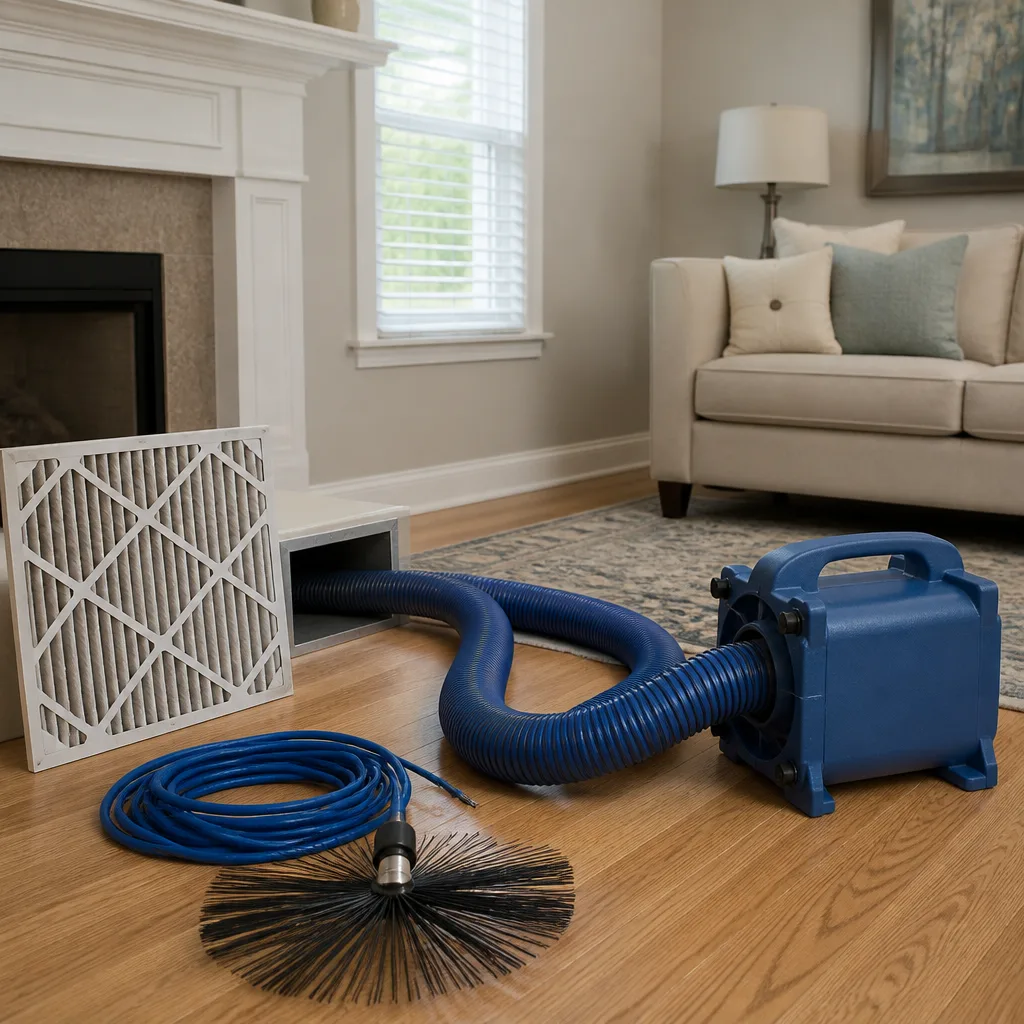
If the gray film shows up quickly after one wind event, it’s a sign the ducts are already holding a load from previous seasons and the filter isn’t catching what it should. That’s when a professional cleaning matters. We run Rotobrush rotary-brush systems paired with Nikro HEPA-rated negative-air vacuums, which is the same dual-method combination used by remediation professionals. The brush agitates; the vacuum captures. Without both, you’re just pushing fine Santa Ana dust further into the system.
November – January: Why This Is the Smartest Cleaning Window in San Clemente
If you’re going to pick one season for duct cleaning in San Clemente, pick this one. Here’s the logic. By November, wildfire smoke season has usually settled down, the Santa Ana winds have pushed their seasonal dust through, and the marine layer humidity of early summer has had a full six months to do its slow work. Your ducts are holding everything they’re going to hold for the year. Clean them now, and the system stays cleaner through the winter months when your house is closed up and indoor air quality matters most.
There’s a second reason timing matters. Winter is when we spend the most time indoors with windows shut. Whatever is in your ducts is in your breathing air, full time. Post-fire-season cleaning removes the ash and smoke residue that settled during fall before you seal the house up for winter. It also gives you a clean baseline going into rain season, when moisture can interact with whatever dust load remains.
Our recommendation for most San Clemente homes is to schedule cleaning between early November and late January, then plan a lighter inspection in spring. Not every home needs cleaning every year. Homes without pets, with good filtration, and with recent upgrades may go three years or more. But if you haven’t had the ducts cleaned since moving in, or you’ve done remodeling, or you live near open hillsides where wind load is heavier, this is the window to do it.
The process we use matters here. A Rotobrush system agitates caked-on debris while a Nikro HEPA-rated negative-air vacuum captures it at the source. Add Abatement Technologies air filtration equipment to control what goes back into the room, and you’re looking at a contamination-control standard that most residential duct cleaners don’t carry. That’s the difference between a visual once-over and actually removing the load. Better air starts inside the walls, and November is when that investment pays off most in San Clemente.
February – April: Post-Rain Moisture Inspection Season
Winter rain in San Clemente is rarely dramatic, but it’s steady enough to test your home’s roofing, flashing, and attic penetrations. Every duct run that passes through an attic or crawlspace crosses at least one penetration point where roof vents, plumbing stacks, or electrical lines enter. Those seals age. When they fail, rainwater doesn’t pour in, it seeps, and that seepage lands on insulation and duct exteriors.
Leathery, water-stained insulation around a duct run is the classic February find in San Clemente attics. The duct itself may be fine, but if exterior insulation stays damp, the air moving through that run picks up a musty quality that registers as “stale air” in the house. Crawlspaces have the same issue from the bottom up. Moist ground air rises into the joist bays, and any duct with a loose connection or sagging support sits in a damp microclimate.
February through April is the right window for what we call a moisture-focused inspection. You’re looking for:
- Water stains on attic decking near duct runs
- Damp or compressed insulation around duct boots
- Rust on register screws or metal duct collars
- Mold-like discoloration on crawlspace duct exteriors
- Condensation on visible duct surfaces during cool mornings
If you find any of these, the fix may be as simple as resealing the penetration and replacing a section of insulation, or it may require dryer vent cleaning and duct repair. The key is to catch moisture before the warm season. Moisture plus heat is when small problems become big ones. A damp attic in April becomes a microbial growth site by July.
This is also the season where our duct repair capability matters. When an inspection turns up a loose connection, a crushed section, or a failed seal, you don’t need a second contractor. We clean it. We clear it. We fix it. One service relationship covers the whole duct-system lifecycle, which is why property managers in San Clemente tend to work with us year-round rather than once every few years.
Coastal vs. Inland: Talega, Rancho San Clemente, and the Microclimate Gap
San Clemente isn’t one climate. The coastal strip from the pier down through Shorecliffs gets marine-layer mornings and moderate afternoon temperatures most of the year. Head inland to Talega or Rancho San Clemente, and you’re in a warmer, drier band where the marine layer burns off faster and Santa Ana winds hit harder. That microclimate gap changes what your ducts need, and when.
Coastal homes deal with more humidity, more condensation cycles, and more biological growth potential. Their duct issues tend to be stale-air quality, musty startup smells, and slow accumulation of damp organic dust. Inland homes deal with more temperature swing, more dust intrusion from open hillsides, and more dry-air stress on seals and tape. Their duct issues tend to be visible dust accumulation, reduced airflow, and energy leakage at the connections.
A practical way to think about it:
- Coastal San Clemente (Pier Bowl, Shorecliffs, Southwest): Prioritize humidity control and microbial prevention. Inspect for condensation and musty odors. Clean before marine-layer season if possible, or right after.
- Inland San Clemente (Talega, Rancho San Clemente, Forster Ranch): Prioritize particulate control and seal integrity. Inspect after Santa Ana events. Clean in the late fall, after wind season.
- Mid-city homes (downtown, Marblehead, Mira Costa): Split the difference. You get partial marine layer and moderate Santa Ana exposure. The November-to-January cleaning window works best.
One more factor: homes built in the last 20 years in neighborhoods like Talega tend to have tighter building envelopes and more complex duct layouts. That’s good for energy efficiency but means any contamination that does get in stays in. Older coastal homes breathe more, which dilutes pollutants but also lets in more ambient humidity. Neither is inherently better. They just demand different maintenance rhythms. When we evaluate a duct system in San Clemente, the first question is where the house sits and how it was built, because the right cleaning schedule depends on both.
Your 12-Month San Clemente Duct Care Calendar
Here’s a month-by-month framework that works for most single-family homes in San Clemente. Adjust the timing a few weeks earlier or later depending on whether you’re coastal or inland.
- January: If you haven’t cleaned post-fire-season yet, this is the final good month. Replace the filter after any winter holiday gatherings.
- February: First moisture check. After a good rain, inspect attic duct runs and crawlspace areas for dampness.
- March: Schedule any duct repair work identified in February. Seal penetrations, replace damaged insulation, address rusted boots.
- April: Pre-marine-layer preparation. Replace the HVAC filter. Consider a dehumidifier if coastal crawlspaces ran damp this winter.
- May: Marine layer arrives. Run the fan 15 minutes each morning. Watch for condensation on registers.
- June: Peak overcast. If you smell mustiness on startup, schedule a duct inspection now rather than waiting.
- July: Mid-summer check. Inspect visible duct runs in the attic. Look for sagging, separated joints, or damp insulation.
- August: Pre-Santa-Ana filter replacement. Check seal integrity on accessible duct connections. Clean return grilles.
- September: First Santa Ana events usually arrive. Keep windows closed on high-wind days. Vacuum registers weekly.
- October: Peak wind and wildfire smoke risk. Check for fine gray film at registers. Evaluate whether the year’s load justifies a cleaning.
- November: Prime cleaning month. Schedule air duct cleaning now for better indoor air through winter.
- December: Monitor airflow. If rooms feel stuffy with the heat running, check filters and register positions before assuming a bigger problem.
Most homes benefit from an inspection once or twice a year, a cleaning every two to three years, and immediate attention when something changes: new odor, visible dust at registers, worsened allergies indoors, or a spike in energy use that isn’t explained by weather.
Signs Your Ducts Need Attention Right Now
Seasonal care is prevention. But some signs mean you should act sooner than the calendar suggests. Here’s what we tell San Clemente homeowners to watch for, regardless of the month.
- Musty smell when the system first starts. That’s often microbial growth on the cooling coil or inside ducts from marine-layer condensation.
- Visible dust around registers within days of cleaning the room. That dust is coming from inside the ducts, not from everyday living.
- Uneven room temperatures. A blocked or leaking duct run changes air delivery. Rooms at the end of a run usually get hit first.
- Allergy symptoms that improve when you leave the house. Indoor air quality is a real trigger, and ducts are a major variable.
- Higher energy bills without a change in usage. Leaking ducts force the system to work harder. The cost shows up on the electric bill.
- Visible mold or moisture around register openings. This is a red flag. It means the problem is inside the duct boot or nearby drywall.
None of these go away on their own. The house is a closed system, and the ducts are its lungs. When they hold a load, every room shares it.
Common Mistakes to Avoid
- Cleaning only when the house smells bad. Odor is a late-stage signal. By the time you smell it, the contamination has been building for months or years. Seasonal inspection works better than waiting for an obvious symptom.
- Assuming coastal air keeps things clean. The ocean breeze doesn’t clean your ducts. It brings moisture and salt-free humidity that combines with existing dust to create residue. Clean outdoor air does not flush a sealed duct system.
- Skipping the post-Santa-Ana filter change. One strong wind event can load a standard filter in a week. A clogged filter forces the blower to work harder and pulls unfiltered air around the edges.
- Treating every San Clemente home the same. A Talega home and a Pier Bowl home face different humidity, temperature, and dust profiles. A one-size-fits-all schedule misses the difference between a beach microclimate and a foothill microclimate.
- Trusting a visual-only cleaning. Brushing the inside of a duct without proper negative-air capture can knock debris loose and send it into the room air. Professional-grade equipment matters, which is why we pair Rotobrush rotary agitation with Nikro HEPA-rated negative-air capture and Abatement Technologies air filtration.
- Ignoring the dryer vent. Your clothes dryer vent is part of the same duct ecosystem. Lint buildup is a documented fire risk, and in San Clemente’s dry fall season, that risk goes up. Dryer vent cleaning should be part of the same seasonal rhythm.
- Waiting for spring to “open the windows and air things out.” Opening windows changes indoor air, but it doesn’t remove what’s already inside the ductwork. That load stays in place until it’s physically removed.
When to Call a Professional
Some duct issues are visible from the register and easy to track. Others require a trained eye and the right equipment. Call us if you notice musty air that won’t clear, dust that reappears within days of cleaning, visible mold around register openings, or room temperatures that don’t match the thermostat setting. Also call if you’ve had a water event, a Santa Ana season with visible soot intrusion, or if you simply can’t remember the last time the ducts were cleaned. We don’t use consumer-grade vacuums, and we don’t upsell services you don’t need. Monarch Air Duct Cleaning offers free estimates in San Clemente. Call (866) 282-7304. We answer 24/7. Fast dispatch from 7am to 7pm, Sunday through Friday.
Frequently Asked Questions
Most San Clemente homes should have their air ducts cleaned every two to three years, though homes near open hillsides, homes with pets, and homes with smokers or recent remodeling work may need annual or 18-month service. The climate here means humidity and dust load matter more than age alone, so an inspection every year is the safest baseline.
November through January is the strongest window for most homes, because it follows wildfire smoke and Santa Ana wind season and precedes the closed-up winter months. That said, any season works if you’re seeing symptoms, and spring inspections catch moisture issues before summer heat makes them worse.
That startup smell is usually condensation residue inside the ducts or on the cooling coil, built up during San Clemente’s marine-layer months when humidity is high and the system runs less. Running the fan for 15 minutes each morning helps, but if the smell persists, the residue should be inspected and cleaned, not masked with air fresheners.
Yes. The fine particulates from Santa Ana wind events are small enough to pass through standard filters and settle inside duct runs, especially in inland San Clemente neighborhoods like Talega and Rancho San Clemente where wind exposure is higher. A gray film at the registers after a wind event is a reliable sign that the system is taking in outdoor dust.
Excess dust in one room, weak airflow at specific registers, and visible sagging or separated duct sections in the attic all point to repair needs. Moisture stains near duct runs after rain are another repair signal. At Monarch, we assess the whole system during air duct cleaning and handle repairs directly, so you don’t need a separate contractor.
Yes, because duct cleanliness affects system efficiency, energy use, and long-term equipment life, not just allergy symptoms. A heavy dust load makes the blower work harder, clogs filters faster, and contributes to premature wear. Cleaning is maintenance for the system itself, whether or not you notice the air quality difference, and our process uses Rotobrush and Nikro equipment with Abatement Technologies filtration to remove what a brush alone leaves behind.
The Bottom Line
San Clemente’s mild weather hides a seasonal duct stress cycle that most homeowners never think about until the air smells off. Marine-layer humidity, Santa Ana dust, wildfire smoke, and winter rain each leave their mark in different ways. The smart approach is to inspect twice a year, clean every two to three years, and time the biggest investment, a full cleaning, for the November-to-January window when the year’s load is complete and the house is about to seal up. Use professional-grade equipment with real capture and filtration, not a visual brush job. We clean it. We clear it. We fix it. Call (866) 282-7304 for a free estimate. We answer 24/7. Fast dispatch from 7am to 7pm, Sunday through Friday.
Written by the team at Monarch Air Duct Cleaning, serving San Clemente since 2012.
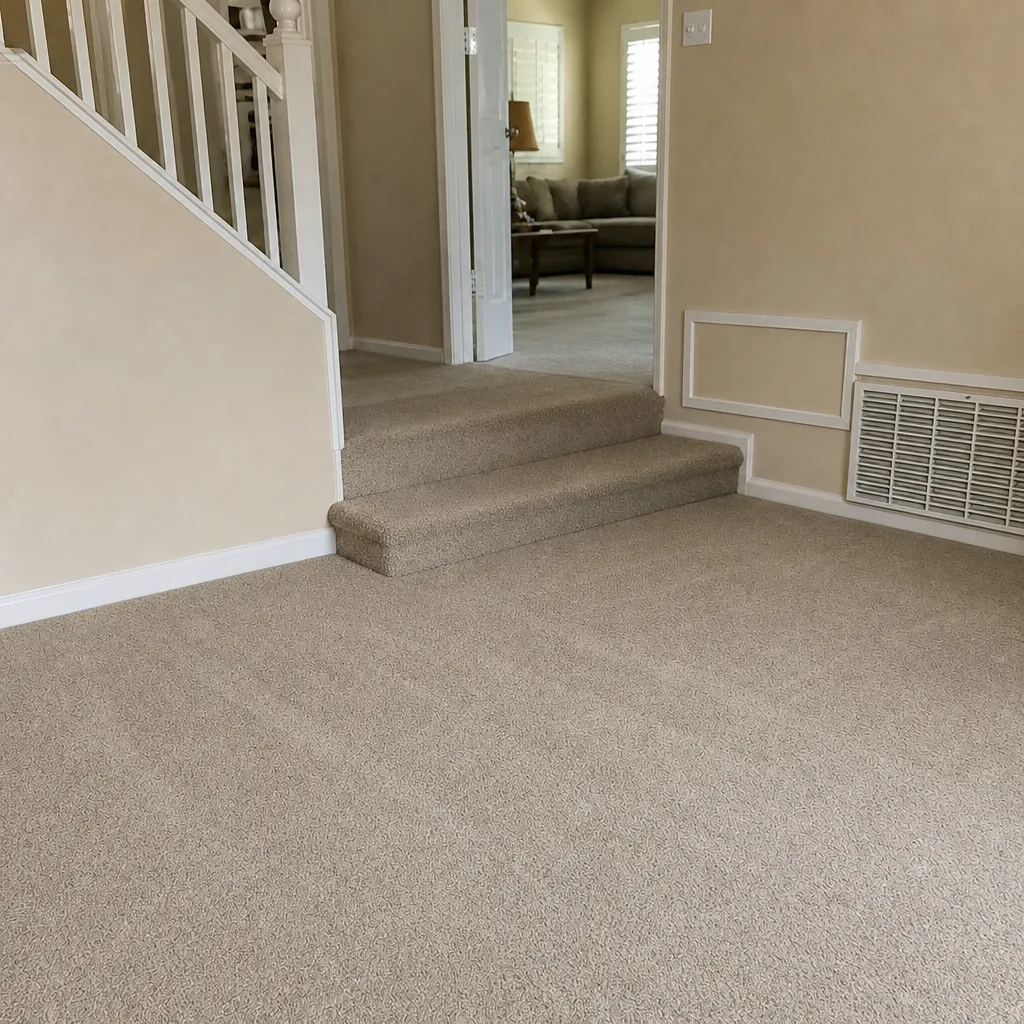
See the difference
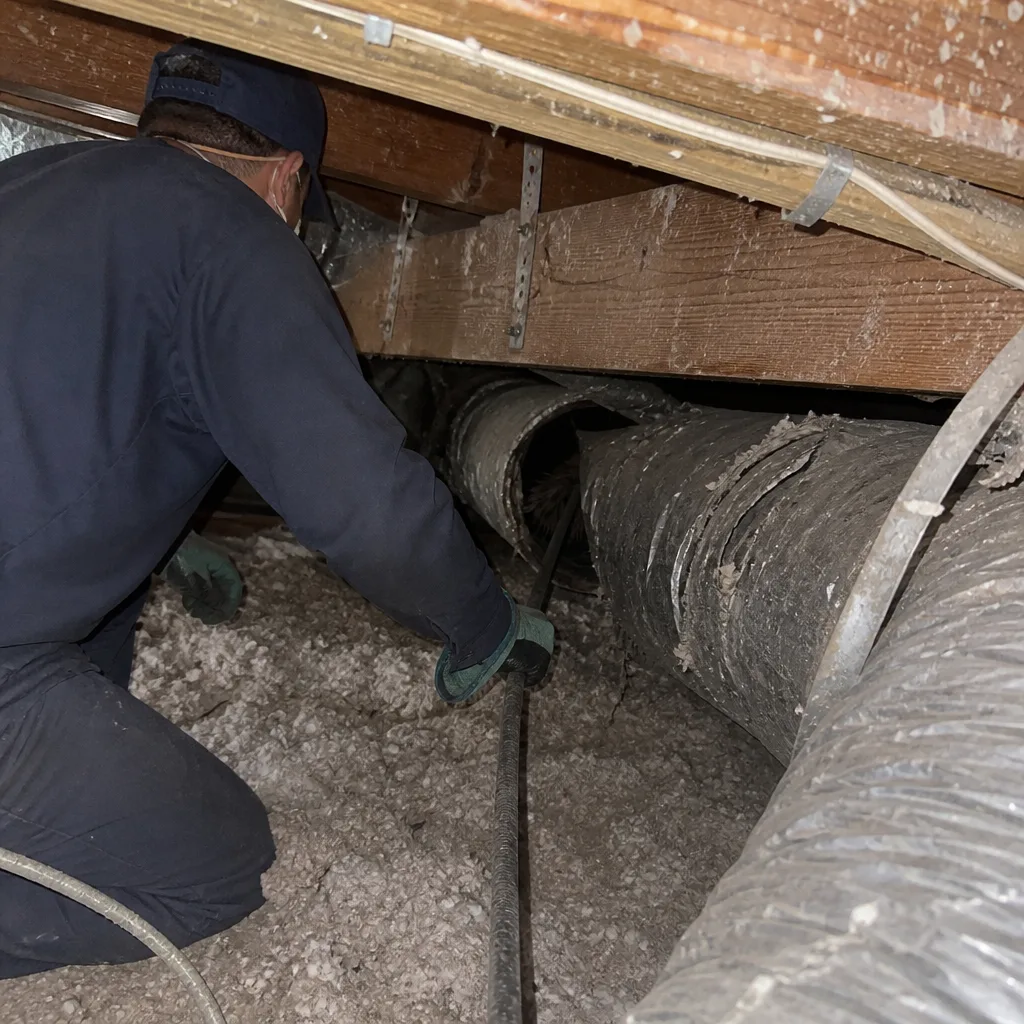 Before
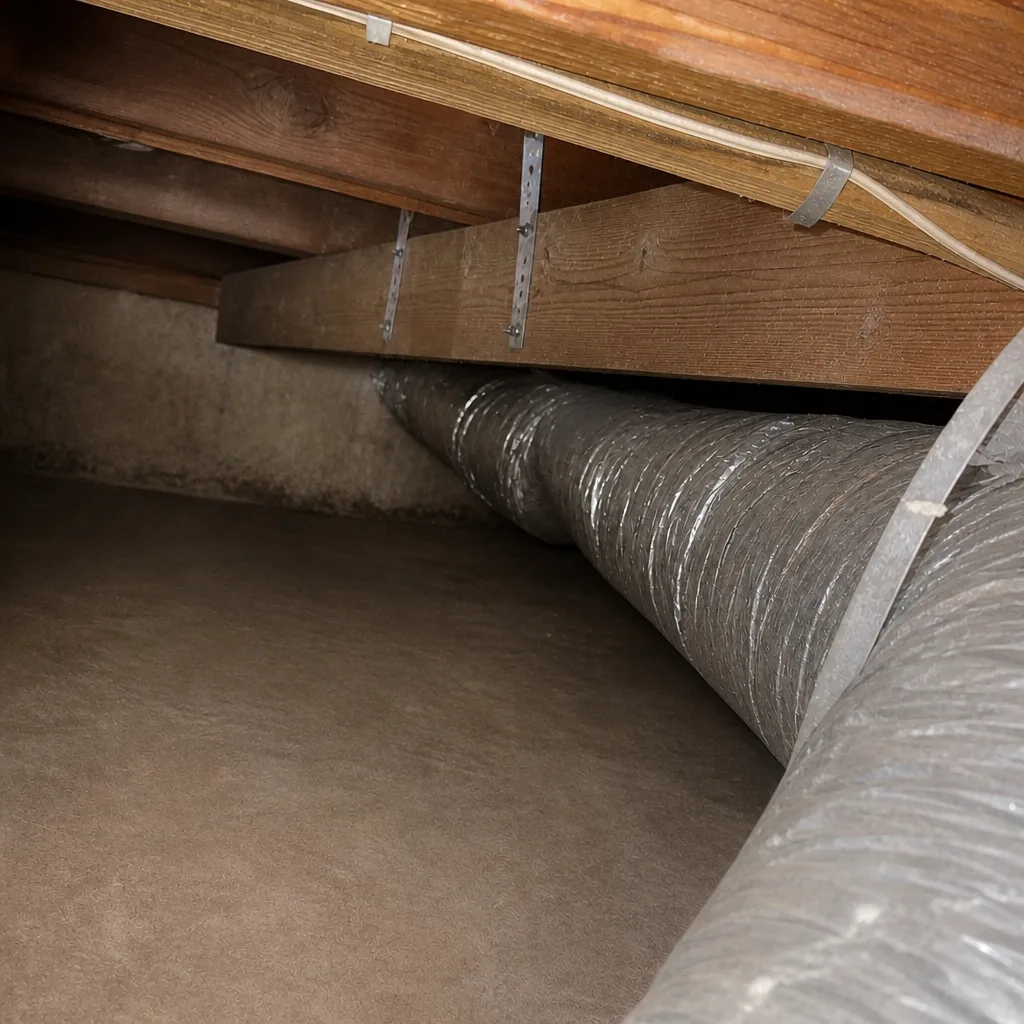 After
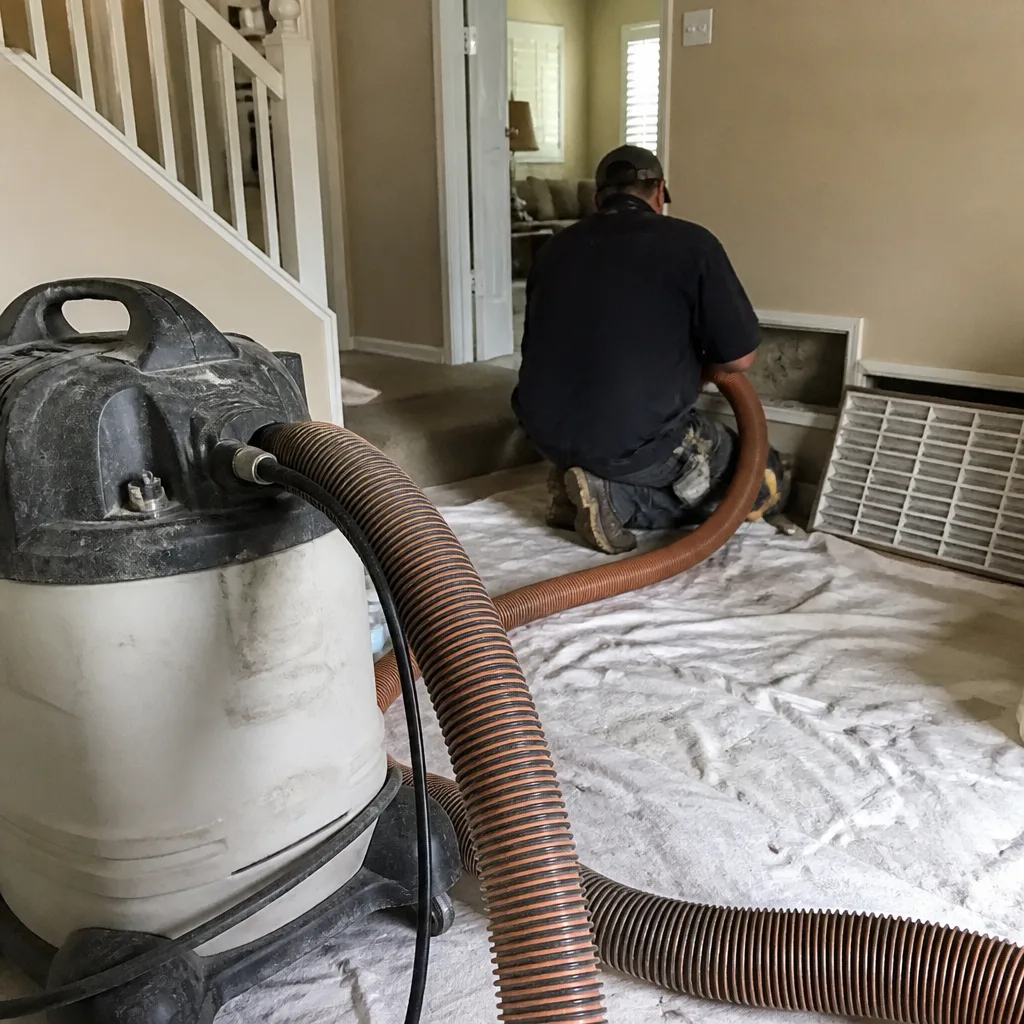 Before
 After
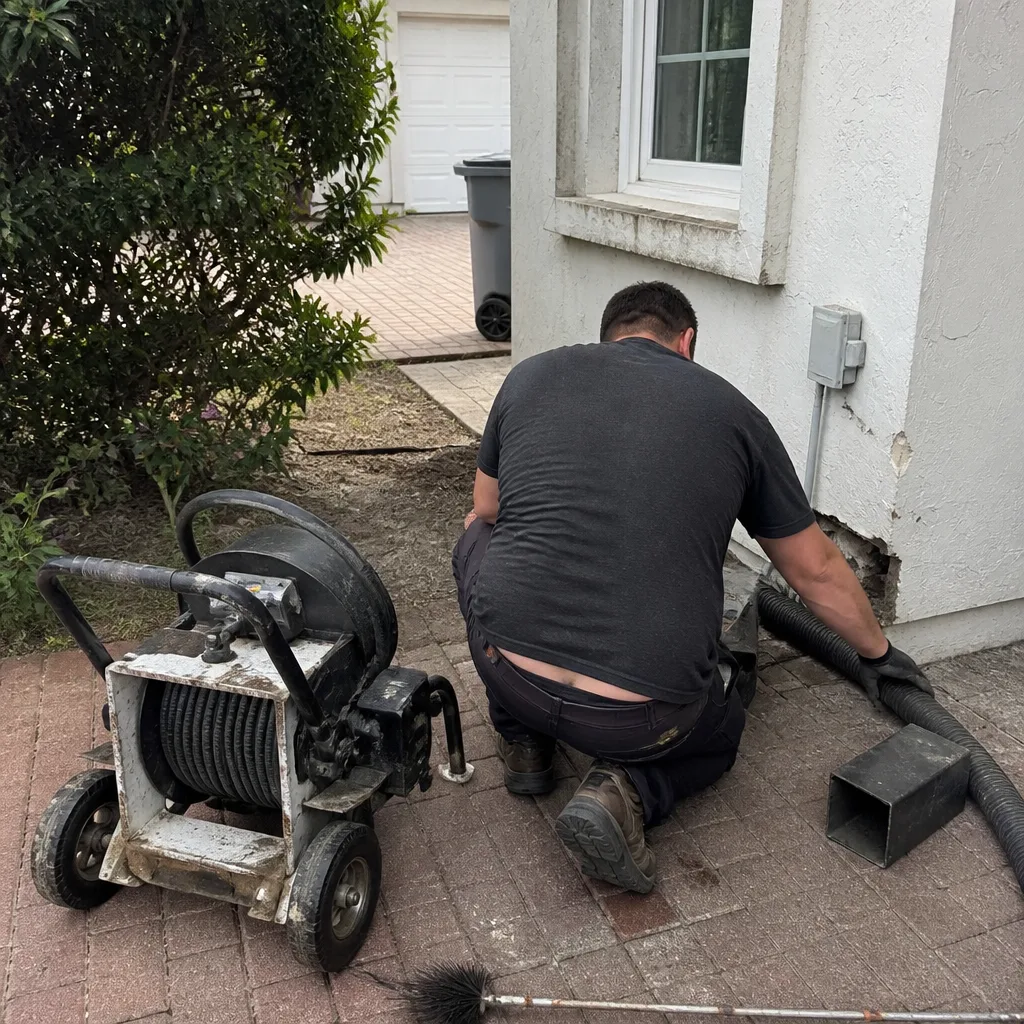 Before
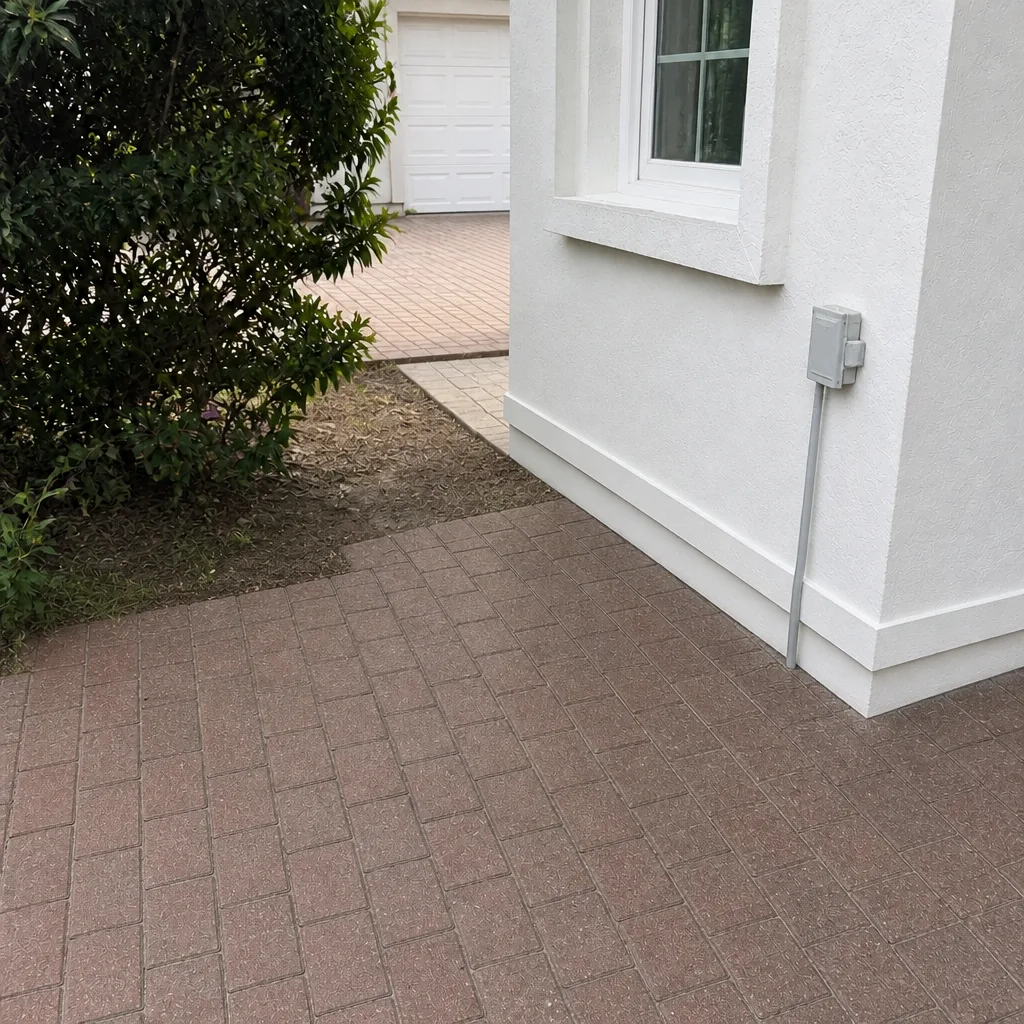 After